Supreme Court Considers Expanding Presidential Removal Power, Threatens Agency Independence
The Supreme Court is hearing a cluster of cases that could significantly expand presidential authority to remove officials from independent federal agencies, a development with direct implications for the Federal Reserve and the broader regulatory state. The outcome could reshape how agencies enforce rules, how markets price regulatory risk, and how Congress designs institutional safeguards.
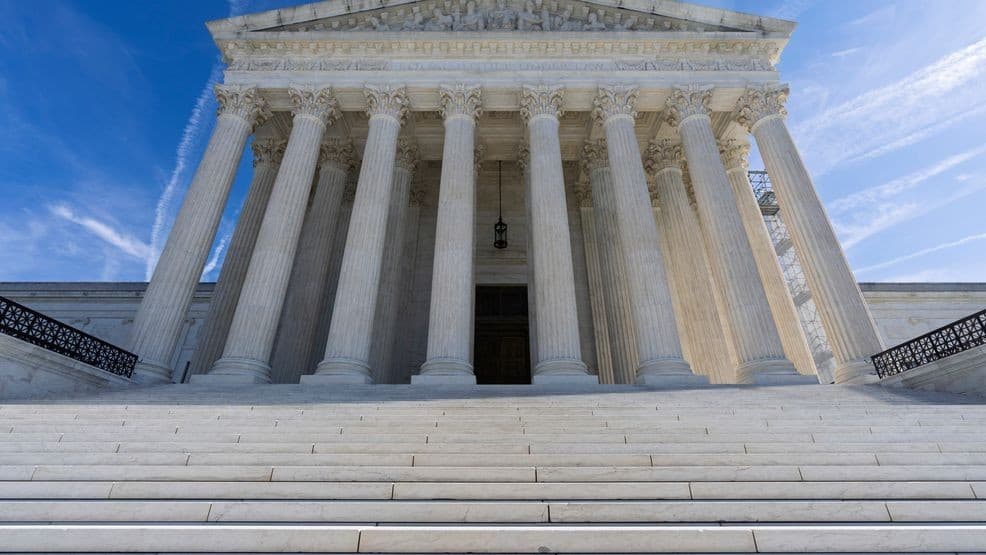
On December 13, 2025 the Supreme Court heard arguments in litigation that asks whether presidents may remove commissioners and other officials of independent agencies at will, or whether statutory tenure protections enacted by Congress bar such removals except for cause. The cases center on President Donald Trump’s March removal of Federal Trade Commission commissioner Rebecca Kelly Slaughter, who was first appointed in 2018 to a Democratic seat on the commission, and they place the 1935 precedent Humphrey’s Executor squarely at risk.
The federal litigation has proceeded in fits. In July 2025 Washington based U.S. District Judge Loren AliKhan issued an order blocking the firing of Slaughter on the ground that statutory tenure protections raised at least plausible limits on executive authority. In September 2025 the U.S. Court of Appeals for the D.C. Circuit in a 2 to 1 decision left Judge AliKhan’s ruling in place. Media accounts document a subsequent procedural episode in which the Supreme Court at one point allowed the administration’s removal of Slaughter to take effect while related litigation continued, producing a fragmented public narrative about the precise sequence of stays and lifts.
The cases before the high court will be watched for their treatment of Humphrey’s Executor, the long standing decision that has insulated bipartisan, multi member independent agencies from unfettered presidential control. Several recent Supreme Court decisions have narrowed Humphrey’s reach, and the current litigation presents an opportunity either to further curtail the precedent or to overturn it outright. Outside counsel and regulatory analysts say such a shift would have systemic consequences.
Law firms and industry reports, including analyses by Goodwin and the Forces of Law report, warn that weakening tenure protections could expose agencies that now operate with expert and bipartisan insulation to greater partisan turnover and policy volatility. Agencies named repeatedly in reporting as vulnerable include the Federal Trade Commission, Consumer Product Safety Commission, National Labor Relations Board, Merit Systems Protection Board, Securities and Exchange Commission, Federal Communications Commission, Commodity Futures Trading Commission, Federal Deposit Insurance Corporation and Federal Energy Regulatory Commission. Those changes would reverberate through financial markets, corporate compliance programs, labor relations and energy permitting.
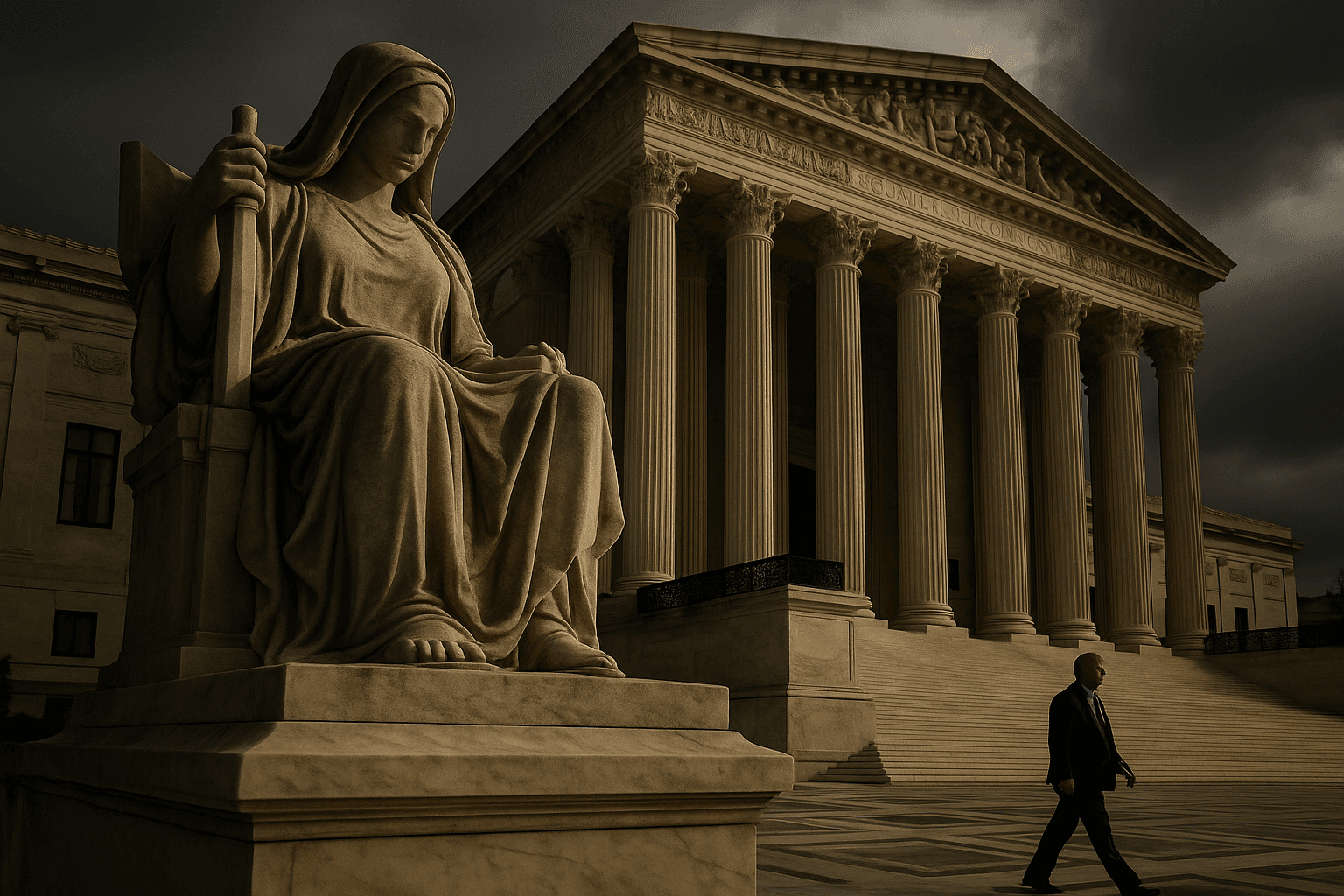
The litigation also bears directly on a separate challenge tied to the removal of Federal Reserve Governor Lisa Cook. Reporters working the cases say the Court will consider the Cook matter with arguments scheduled for January, and analysts treat the FTC litigation as highly relevant to how the Court might approach the Fed question. A decision permitting at will removals could alter the Federal Reserve’s internal governance and the perceived independence of its governors, a development that market participants and congressional overseers would likely view as materially significant.
Coverage of oral argument indicated that several conservative justices signaled receptivity to presidential arguments, though observers caution that signals at argument do not reliably predict ultimate holdings or their scope. How the Court might distinguish among different agency structures, and whether it will craft narrow rulings or broad constitutional rules, remains unsettled. Public accounts of interim procedural steps are inconsistent, and the authoritative procedural record resides on the court dockets and in the parties’ briefs and lower court opinions. The ultimate decision will determine not only the reach of presidential power, but the stability and predictability of a regulatory architecture that governs large swaths of the economy.
Know something we missed? Have a correction or additional information?
Submit a Tip
%2Fi.s3.glbimg.com%2Fv1%2FAUTH_da025474c0c44edd99332dddb09cabe8%2Finternal_photos%2Fbs%2F2025%2FK%2Fk%2FyrBrW1ScatAE4lj5somA%2F54719297810-53f7e85105-c-1-.jpg&w=1920&q=75)
