Taco Bell Accelerates Drive Through Voice AI, Reshaping Crew Roles
Taco Bell has been rapidly deploying drive through and back of house voice AI and other automation tools across its restaurants in 2025, a move that company leaders say will speed service and reduce errors. The shift matters for workers because it changes training, staffing and day to day responsibilities, while raising new questions about scheduling, job quality and retraining.
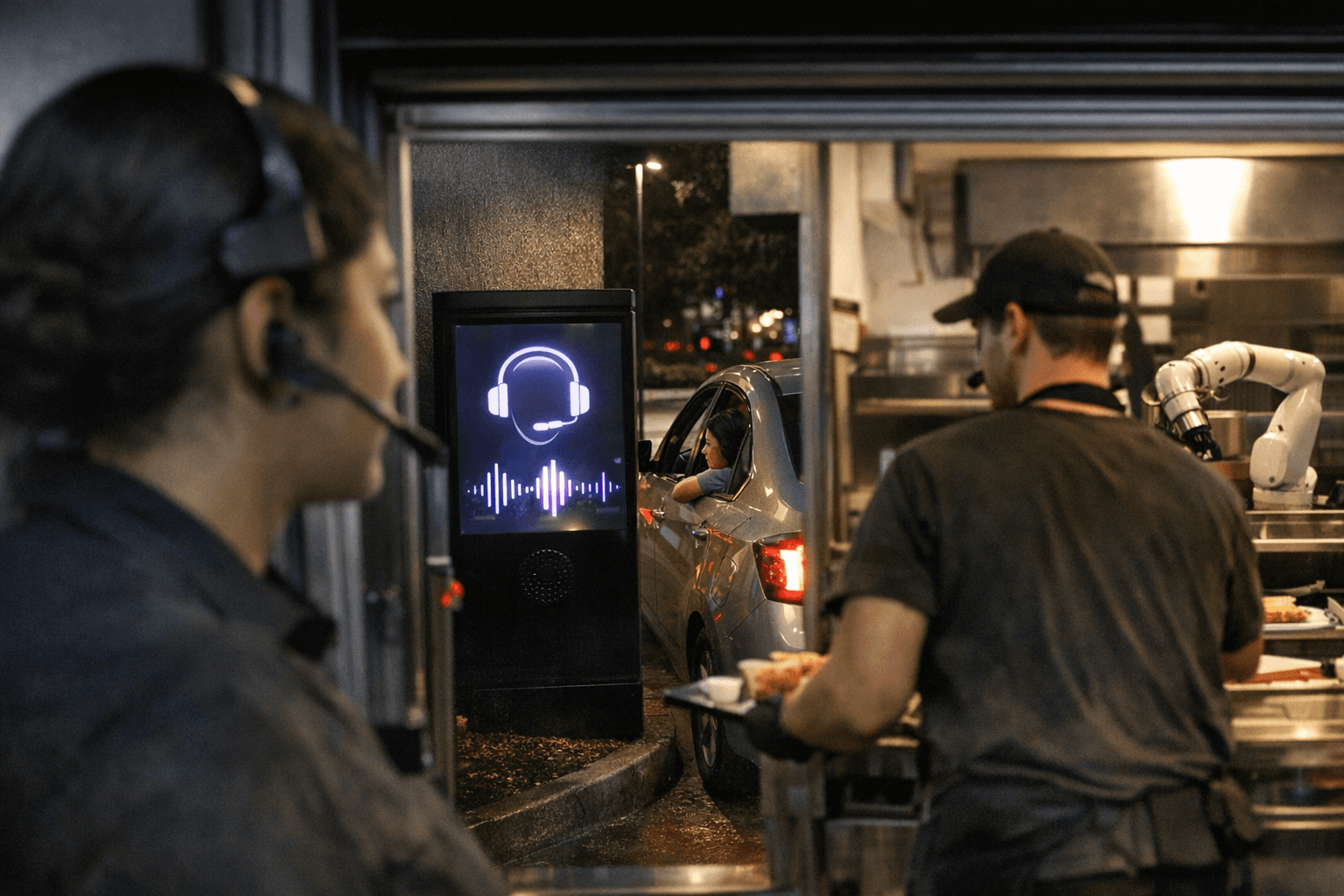
Taco Bell is among the largest quick service chains expanding use of voice AI for ordering and automation in kitchens, a trend that has gathered pace across the industry in 2025. The company and its franchisees are adopting voice AI in drive through lanes and back of house operations to improve order accuracy, increase throughput during peak windows and free up crew members to focus on food preparation and customer service.
Management and corporate officials frame the technology as operationally driven. At restaurants where the systems are working as intended, managers report faster processing of orders and fewer mistakes that require remakes. Those improvements can reduce congestion during lunch and dinner rushes and shift some routine tasks away from staff, in turn allowing crews to prioritize hospitality and food quality.
Worker reactions are mixed. Some frontline employees say voice AI helps them manage competing duties on busy shifts by handling repetitive communication tasks. Other crew members express concern about longer term impacts on staffing and job security. The staggered, franchise by franchise rollouts have produced uneven effects on staffing models and training requirements, with some restaurants needing additional technical training even as they adjust shift schedules to match new labor needs.
The acceleration of automation is also attracting attention from worker advocacy organizations and policy makers, who are increasingly focused on how technology alters scheduling practices, job quality and access to retraining and benefits. That scrutiny is amplified by ongoing employee complaints at some locations about heat, understaffing and unpredictable schedules. Automation changes the demand for labor and can shift day to day responsibilities, but it does not eliminate the environmental and human factors that shape workplace conditions.
For Taco Bell employees the coming months are likely to bring continued changes in how work is organized, with implications for hiring, training and career pathways. How franchise owners, corporate leaders and regulators respond to those shifts will determine whether the technology improves job quality as well as operational performance.
Sources:
Know something we missed? Have a correction or additional information?
Submit a Tip