Taiwan tightens penalties to shield undersea cables and critical infrastructure
Seven amendments took effect this week, increasing criminal and administrative penalties to deter damage to cables and key utilities and boost maritime enforcement.
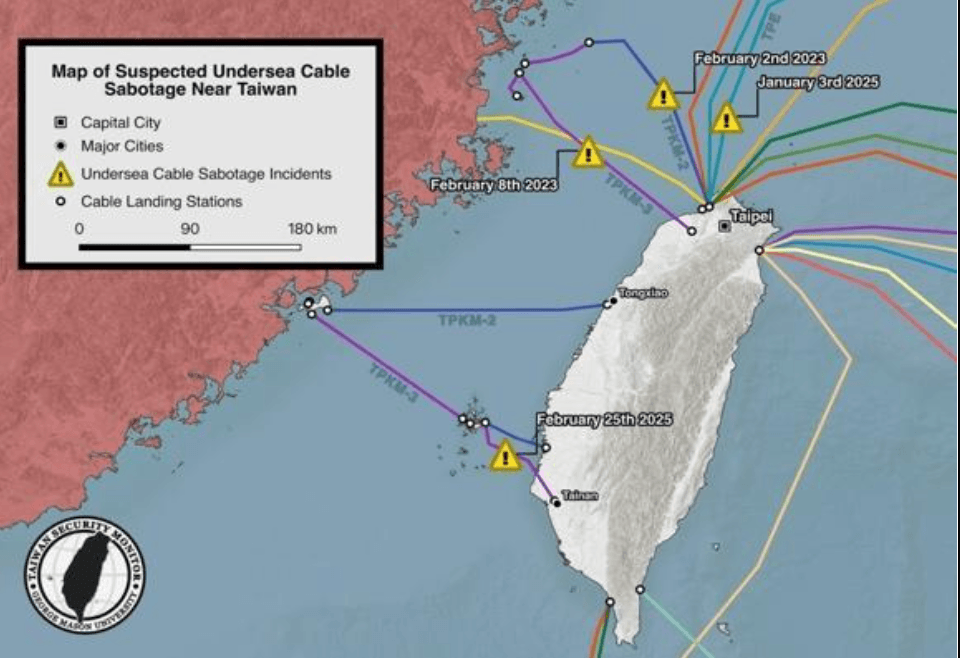
Taiwan has enacted a package of seven legal amendments designed to strengthen protection of undersea cables and other pieces of critical infrastructure, increasing both criminal sentences and administrative fines while giving enforcement agencies expanded powers at sea and onshore. Local reporting said the measures "took effect on Wednesday last week."
The revisions amend multiple statutes, including the Telecommunications Management Act, the Law of Ships and the Meteorological Act, and extend protections to facilities related to power generation, natural gas, water supply and other assets deemed vital to national security and social order. The changes explicitly criminalize attempted offenses as well as completed acts of theft, damage and unlawful interference.
Under the new framework, baseline penalties for theft, intentional damage or unlawful interference range from one to seven years in prison and fines of up to NT$10 million. When an offense is judged to endanger national security or social stability, penalties rise to three to 10 years' imprisonment and fines of up to NT$50 million. Statutory penalties may be increased by up to 50 percent for conduct that causes a disaster. Offenses resulting in death are punishable by seven years to life in prison and fines of up to NT$100 million (about US$3.17 million), while conduct causing serious injury carries five to 12 years' imprisonment and fines up to NT$80 million.
The Law of Ships revisions add strict vessel identification and logging requirements for any craft operating within Taiwan's territorial waters. Vessels must accurately disclose Automatic Identification System (AIS) data, display hull markings including vessel name and identification number, and maintain navigation logs. The rules explicitly apply not only to commercial ships but also to yachts, small boats and vessel charterers. Administrative penalties for noncompliance run from NT$30,000 up to NT$10 million.
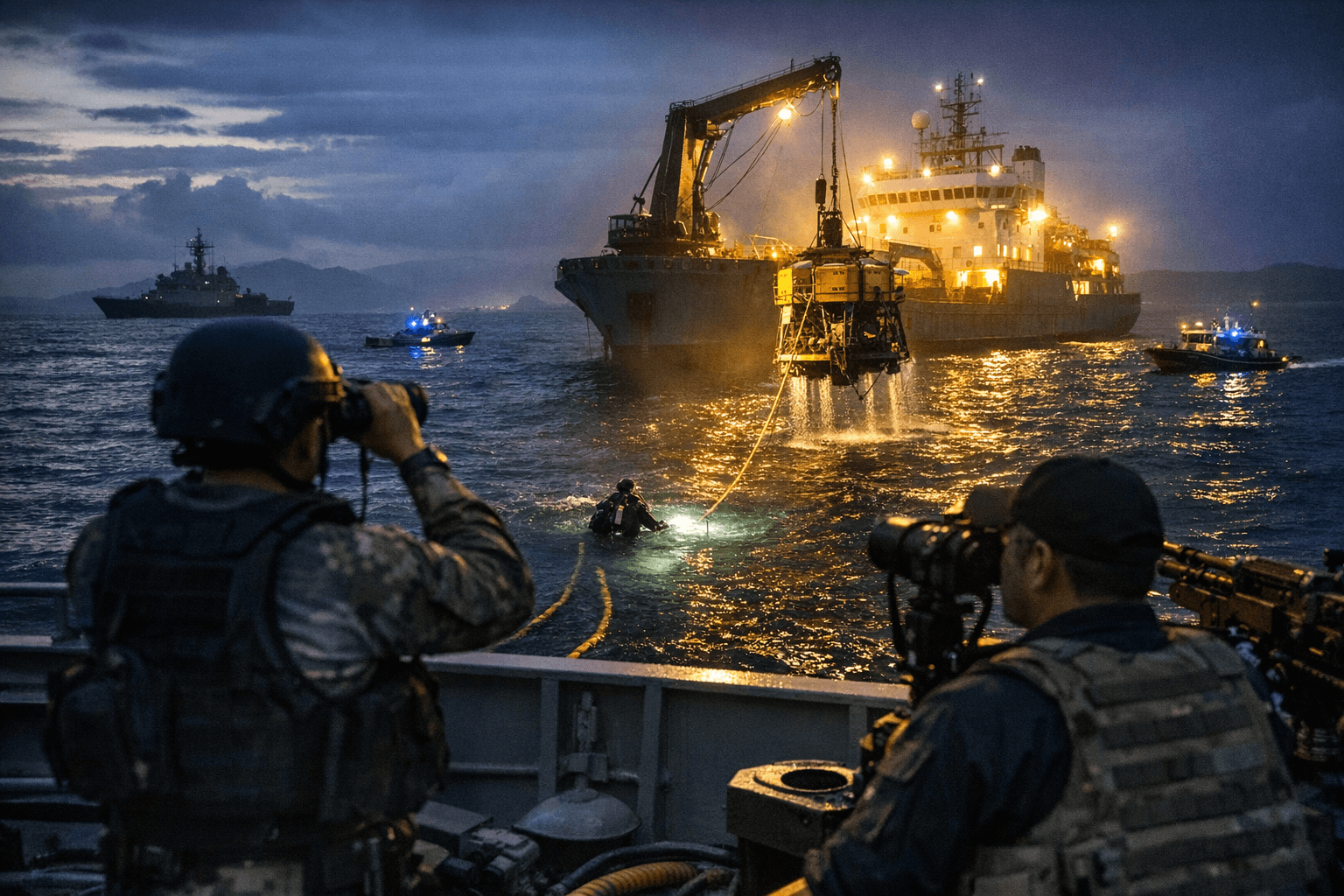
Enforcement powers have been broadened to give maritime authorities tools to deter and interdict suspicious activity. The Coast Guard Administration and relevant ministries are authorized to escort noncompliant vessels into port, detain craft, and confiscate ships when warranted. The amendments couple heavier criminal sanctions with stepped-up administrative fines and operational authority intended to curb illegal maritime activity, deter sabotage and protect communications and utility networks.
Government statements detailing the full list of amended statutes, legislative bill numbers and implementing regulations have not been released. Similarly, ministries charged with enforcement have yet to publish operational guidance explaining how the Coast Guard and other agencies will apply the new powers in routine patrols, search procedures and cross-border encounters. Those details will be crucial for shipping companies, recreational mariners and foreign-flagged vessels that transit Taiwan's waters.
Legal analysts and industry groups will also be watching how courts interpret the heightened thresholds for offenses that "endanger national security or social stability" and how proportionality is applied when administrative penalties are levied against small craft or private yacht owners. For now, the package signals Taipei's intent to elevate protection of undersea cables and other infrastructure to a security priority, strengthening deterrence through a combination of heavier sentences, broader prohibitions and sharper maritime enforcement.
Know something we missed? Have a correction or additional information?
Submit a Tip