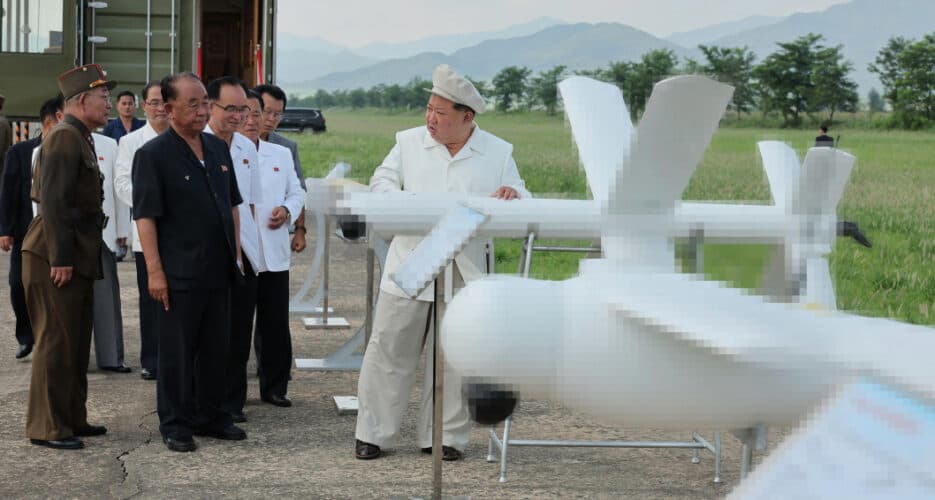
Tensions Rise on Korean Peninsula Amid Early January Incidents
A string of incidents and formal complaints across the Korean peninsula and nearby seas in early January has renewed fears of escalation between Pyongyang, Seoul and Washington. The developments matter for regional security, alliance coordination and markets sensitive to risk and supply-chain disruptions.
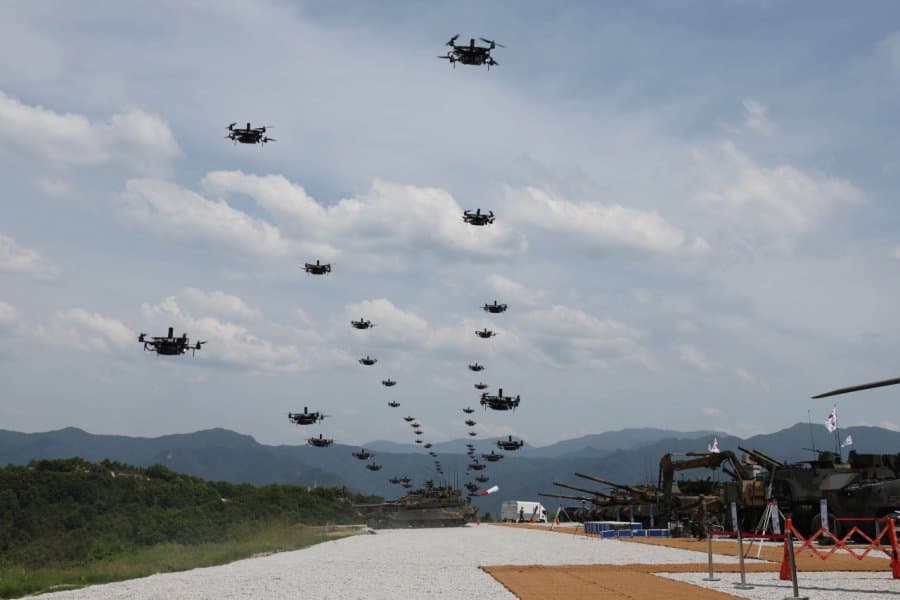
North Korean state media and military spokespeople are reporting repeated intrusions by South Korean drones and other assets in the first days of January, and officials in the region responded with their own diplomatic notes and increased surveillance. The cycle of accusation and counter-accusation is unfolding against a backdrop of longstanding strategic friction, added operational complexity in contested waters and closer US-South Korea military coordination.
The incidents, which state outlets in Pyongyang say occurred over coastal and maritime areas, have prompted heightened alert levels at border units and more frequent patrols by maritime authorities. South Korea and allied governments have acknowledged an uptick in operational activity around the peninsula this month but have so far framed responses within routine surveillance and rules-based enforcement. United States forces in South Korea, which number roughly 28,500 personnel, are monitoring developments alongside Seoul as part of established trilateral command arrangements.
Beyond the immediate security implications, the events carry measurable economic stakes. South Korea is a top-10 global economy with deep integration into global trade and complex supply chains for semiconductors, ships and automobiles. Episodes of heightened tension historically produce short-lived tightening in financial markets: risk-sensitive assets such as the South Korean won and the KOSPI equity index often show volatility, and defence-related equities attract investor interest. For manufacturers and logistics operators, even temporary disruptions or rerouting in the Yellow Sea and adjacent shipping lanes raise operational costs and insurance premia.
Policymakers face a narrow set of choices. Seoul must balance deterrence and de-escalation to avoid inadvertent escalation; the government’s defense posture, which in recent years has included incremental increases in spending, aims to deter but not provoke. Washington’s approach centers on extended deterrence and integrated exercises with South Korea and Japan, while seeking to avoid signals that could prompt preemptive escalation from Pyongyang. Diplomatic channels at multiple levels remain the primary safety valve for clarifying intent and lowering misperception risks.
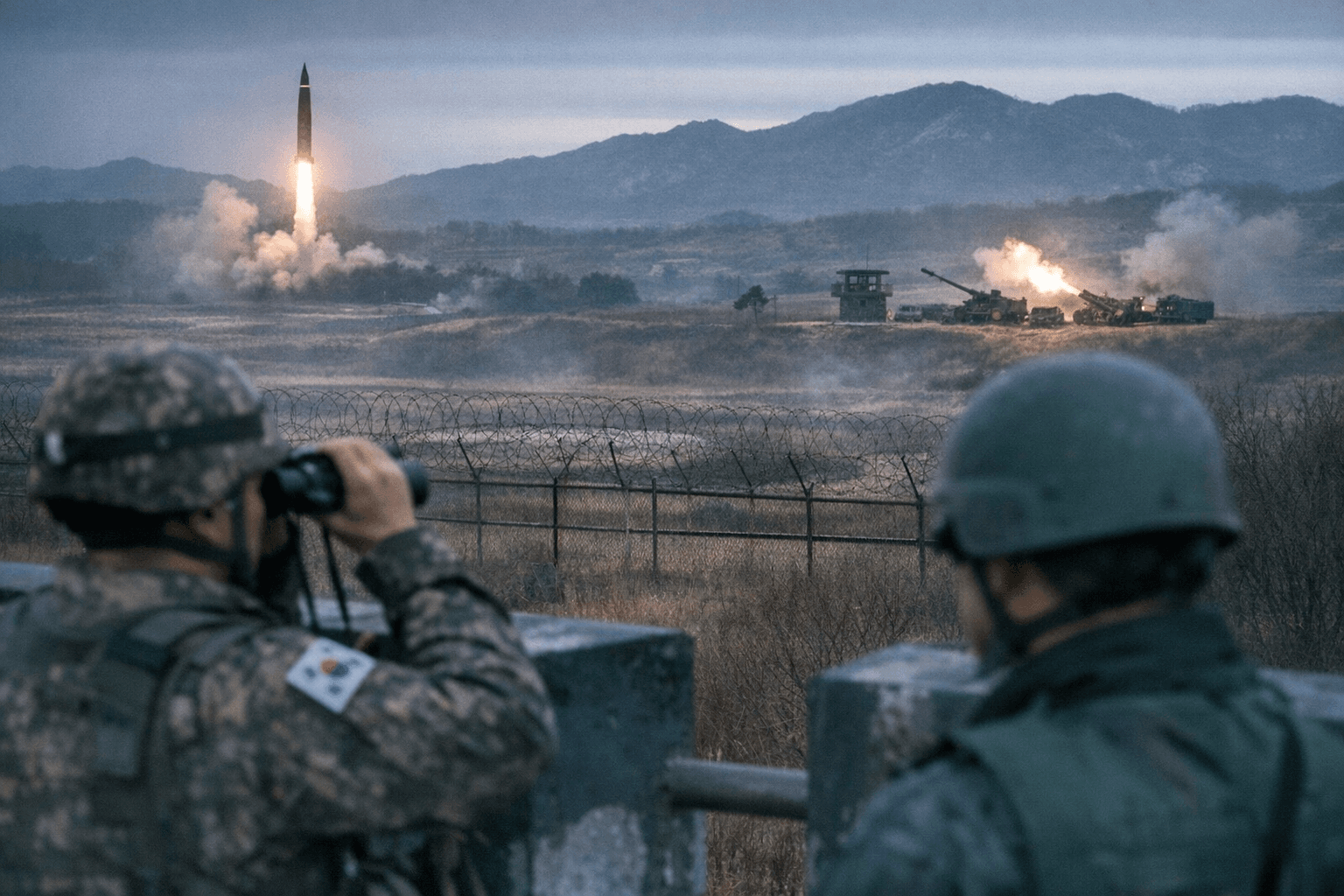
The incidents also highlight longer-term trends that shape calculations on the peninsula. North Korea’s investment in asymmetric capabilities, including unmanned systems and cruise missiles, complicates traditional air and sea control measures. On the allied side, Seoul has accelerated moves to strengthen indigenous defense industries and diversify supply lines for critical technologies, responding to both security and economic resilience concerns.
Markets and corporate planners will watch two metrics closely: the duration and intensity of operational activity around the peninsula, and responses from key actors that could change risk premiums for regional trade. Even if the current round of complaints does not produce kinetic escalation, the episode reinforces a structural reality for investors and policymakers alike: geopolitical volatility on the Korean peninsula is persistent, with clear implications for defense budgets, investor risk appetite and the cost of ensuring resilient supply chains.
Sources:
Know something we missed? Have a correction or additional information?
Submit a Tip