Thousands Urged to Flee as New South Wales Fires Rage
Rapidly moving wildfires north of Sydney have burned through thousands of hectares, prompting highest danger evacuation warnings for coastal communities including Phegans Bay and Woy Woy. Authorities have opened emergency shelters and issued mandatory and voluntary evacuation orders as aerial and ground firefighting resources battle erratic blazes driven by hot, dry winds.
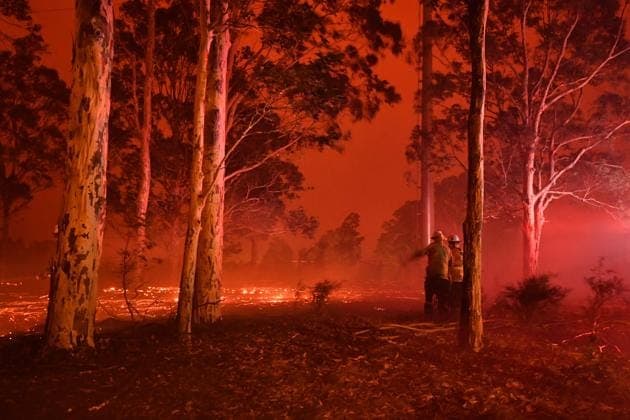
Wildfires in New South Wales are advancing across the central coast on Saturday, forcing thousands of residents to leave their homes as emergency services confront fast changing fire behavior. The most severe warnings have been issued for coastal and near coastal communities north of Sydney, including Phegans Bay and Woy Woy, as flames consume thousands of hectares of bushland and threaten populated areas.
Local authorities have imposed a mix of mandatory and voluntary evacuation orders, closed key roads into the affected districts and opened emergency shelters to receive displaced residents. Fire and emergency services are urging people to follow directions from emergency personnel and to be prepared for substantial fire movement overnight, when conditions are expected to remain dangerous. Officials say that the combination of hot, dry winds and available fuel is driving rapid and unpredictable shifts in the fires trajectory.
Aerial assets and ground crews are engaged in suppression efforts across multiple fronts. Water bombing aircraft and helicopters are operating alongside firefighters on the ground in an effort to protect townships and critical infrastructure. Despite intensive operations, crews face significant challenges because of the fires intensity and the speed at which they are spreading. Road closures and smoke are complicating access for responders and residents alike, and authorities are warning that conditions could deteriorate quickly if winds change.
The unfolding emergency comes early in Australia s summer season, a period that this year is already being marked by larger and more intense fires than historical averages. Climate driven increases in temperatures and prolonged dry spells have been linked by scientists to heightened wildfire risk across southeastern Australia. Emergency managers say that the pattern is straining resources and prompting closer coordination between state agencies to manage simultaneous incidents.
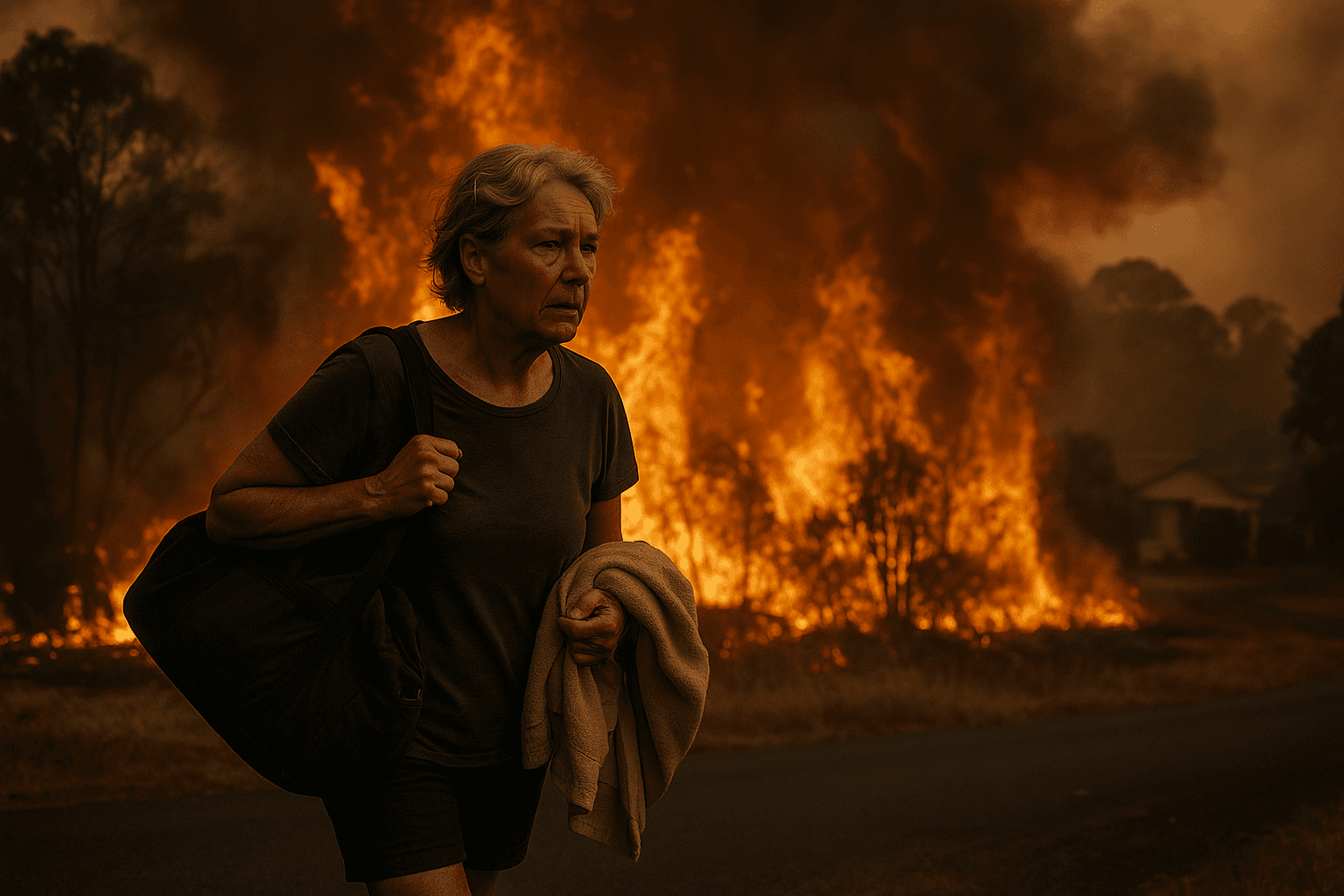
Local councils are coordinating shelter operations and support services for evacuees, while health authorities monitor the impacts of smoke on vulnerable populations. Tourism operators along the central coast are bracing for disruption during a peak travel period, and residents are being advised to secure properties only when it is safe to do so and to prioritize personal safety above possessions.
The New South Wales incident highlights the wider challenge facing countries around the world as extreme weather and fire seasons become more variable and severe. For Australian communities, the immediate priorities remain saving lives and protecting property, while longer term questions about land management, emergency preparedness and climate adaptation will shape responses in coming years.
As night falls, emergency services continue to press containment efforts and to update communities through official channels. Residents in warned areas are being told to leave now if instructed by authorities, to stay informed of road conditions and shelter locations, and to heed safety messages until the threat has clearly passed.