Three Buncombe Siblings Confirmed With Measles After SC Travel
Buncombe County health officials confirmed Jan. 6 that three siblings tested positive for measles after travel to Spartanburg County, South Carolina, and identified an exposure at Mission Hospital’s emergency department waiting room on Jan. 4 from 2:00 to 6:30 a.m. Residents who were at the ED during that window or who had contact with the family should call Buncombe County Public Health for guidance rather than presenting directly to a clinic or emergency room. The notice underscores ongoing public-health concerns about measles spread and the importance of vaccination and coordinated public-health response.
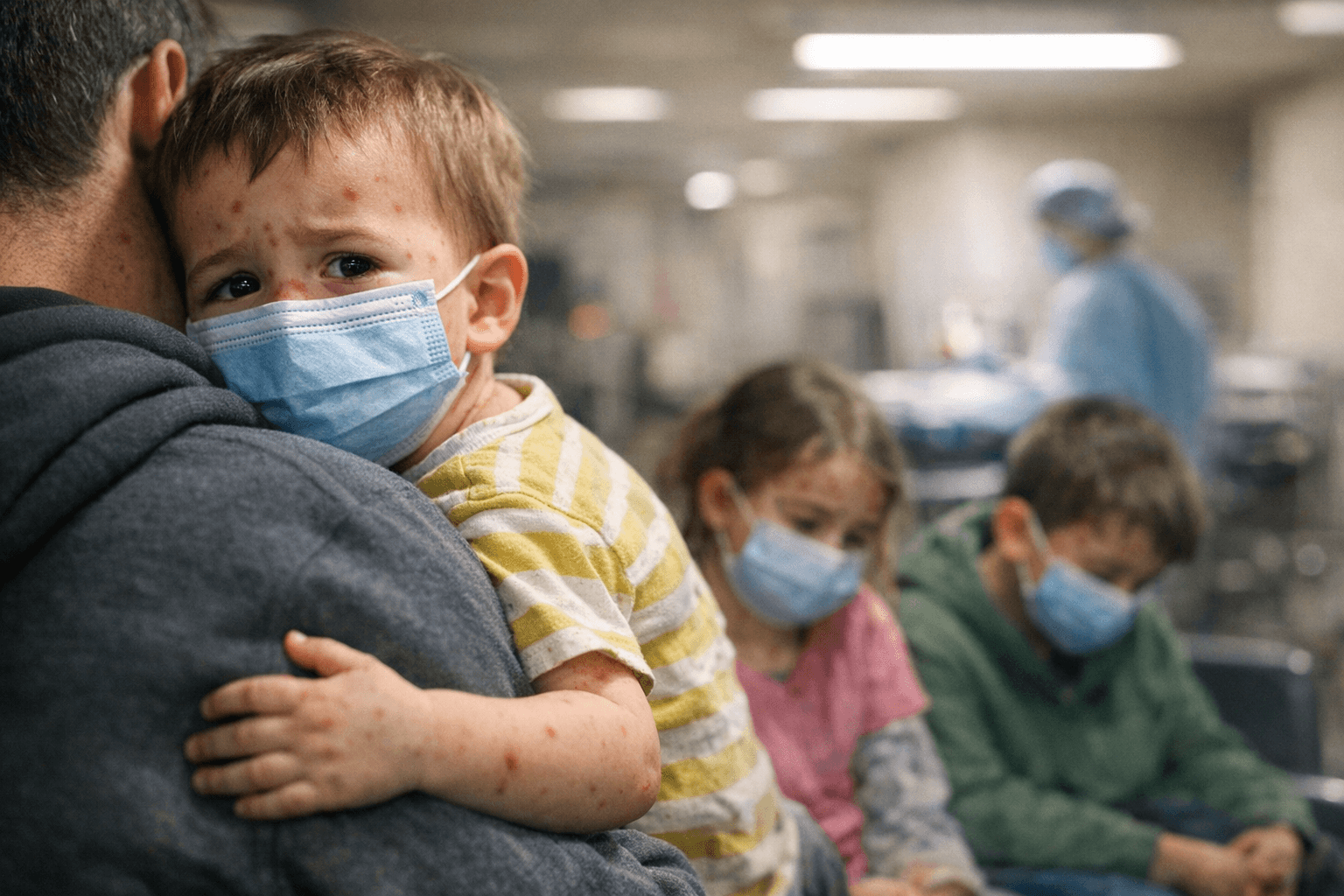
Buncombe County public-health authorities confirmed on Jan. 6 that three siblings living in the county tested positive for measles after traveling to Spartanburg County, South Carolina. Health officials identified a potential exposure at Mission Hospital’s emergency department waiting room on Jan. 4 between 2:00 a.m. and 6:30 a.m., and have urged anyone who was present during that time to contact Buncombe County Public Health for next steps.
Measles is highly contagious and can spread quickly in health-care settings where vulnerable patients congregate. Public officials emphasized calling public-health staff for advice before visiting a medical facility so clinics and hospitals can arrange safe evaluation and limit further transmission. The alert is being distributed by local and state health partners to reach potentially exposed patients and staff.
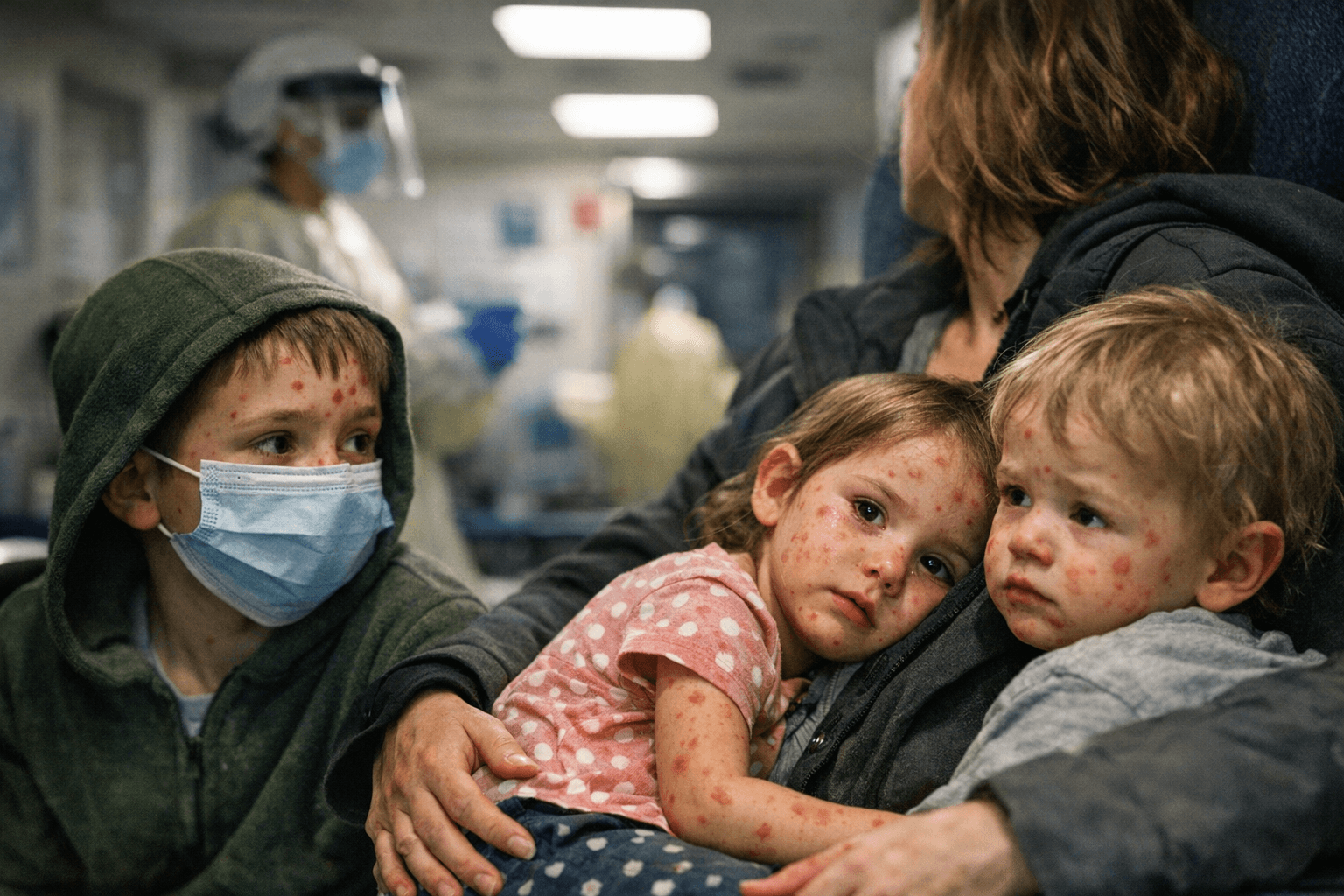
Symptoms of measles often begin with fever, cough, runny nose, and red eyes, followed by a characteristic rash. The illness can be severe for infants, pregnant people, and people with weakened immune systems. Vaccination with the measles-mumps-rubella vaccine is the primary prevention tool; community immunity protects those who cannot be vaccinated or who have weaker vaccine responses.
This episode highlights the practical and equity challenges in controlling vaccine-preventable outbreaks. Emergency department waiting rooms serve as critical access points for people with limited primary care options, and when infectious patients arrive without calling ahead, the risk to other patients and to health-care workers rises. Communities with gaps in vaccination coverage or with barriers to health-care access may be disproportionately affected by outbreaks, underscoring the need for targeted outreach, free or low-cost vaccination options, and clear pathways to clinical advice.
Buncombe County officials are directing people who believe they were exposed to call Buncombe County Public Health for evaluation and instructions rather than presenting directly to a health-care facility. Swift reporting and coordinated response by public-health staff can help identify who needs testing or post-exposure protection, protect hospital capacity, and reduce spread within high-risk populations. Local health partners are continuing outreach to inform potentially exposed residents and to reinforce vaccination and prevention guidance.
Sources:
Know something we missed? Have a correction or additional information?
Submit a Tip