Triad Hemp Retailers Mobilize Against Proposed Federal CBD Restrictions
On January 5, 2026, hemp product retailers across the Triad, including several Guilford County stores, organized to oppose a proposed federal regulatory action that could effectively eliminate much of the consumer hemp and CBD market. The move matters locally because hemp-derived products have become a meaningful source of revenue for small retailers, and a broad federal restriction could force closures, cost jobs, and reduce consumer access to popular wellness items.

On January 5, 2026, retailers of hemp-derived products in the Triad region, with multiple stores operating in Guilford County, mobilized to push back against a proposed federal rulemaking that industry groups say would amount to a de facto ban on many consumer hemp and CBD items. Store owners reported that sales of these products represent a significant portion of their nonfood retail revenue and warned that an overly broad federal action would severely damage or shutter numerous small businesses.
Retailers describe the at-risk products as consumer-facing items commonly sold from shop shelves: CBD tinctures and oils, topical creams and salves, edibles, vape products, and certain hemp-derived cannabinoids. Owners told local reporters that these lines have helped diversify revenue streams, attract foot traffic and sustain payroll during periods of uneven retail demand. Local economic impact would include lost sales tax receipts and potential job losses among retail staff and distributors who depend on the hemp supply chain.
Industry response has focused on a two-pronged strategy: lobbying and litigation. Retailers and trade organizations are coordinating to press regulators for clearer definitions and narrower exemptions that preserve specific product categories. They are preparing petitions, engaging with congressional offices and exploring legal challenges to any rule they see as exceeding statutory authority. The aim is both to delay or narrow the proposed action and to secure explicit regulatory clarity that would allow compliant products to remain on store shelves.
Federal regulators cite public-safety and compliance concerns as drivers of the proposed action. Those concerns include consumer protection issues around inconsistent labeling, undeclared psychoactive compounds in some hemp-derived cannabinoids, manufacturing contamination and products marketed with unproven therapeutic claims. Regulators say a clearer, enforceable federal standard is needed to address those risks across state lines, but the proposed approach has not yet been finalized and the timeline for any binding rule remains uncertain.
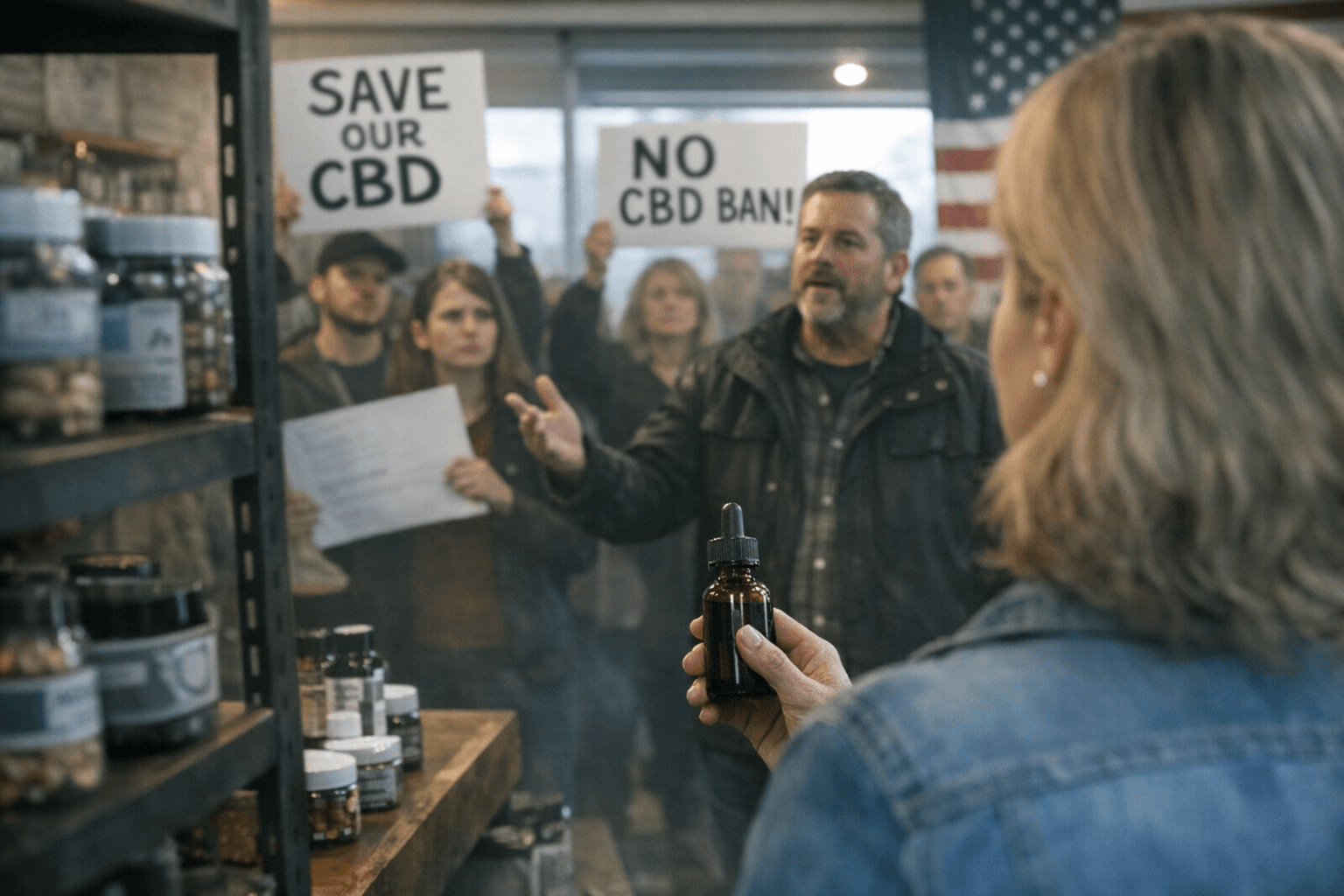
For Guilford County residents, the debate will determine local retail choice and the viability of small stores that have integrated hemp products into their business models. Retailers emphasize that many operate on thin margins and that sudden market contraction would have immediate financial consequences. Policymakers face competing priorities: protecting public health and ensuring supply-chain compliance while avoiding regulatory disruption to small businesses and local tax bases.
As federal agencies deliberate, the next steps will include potential formal rulemaking, opportunities for public comment and continued lobbying and legal positioning by industry groups. Local retailers say they will continue organizing to seek a resolution that preserves consumer access and limits economic harm to Guilford County businesses.
Sources:
Know something we missed? Have a correction or additional information?
Submit a Tip