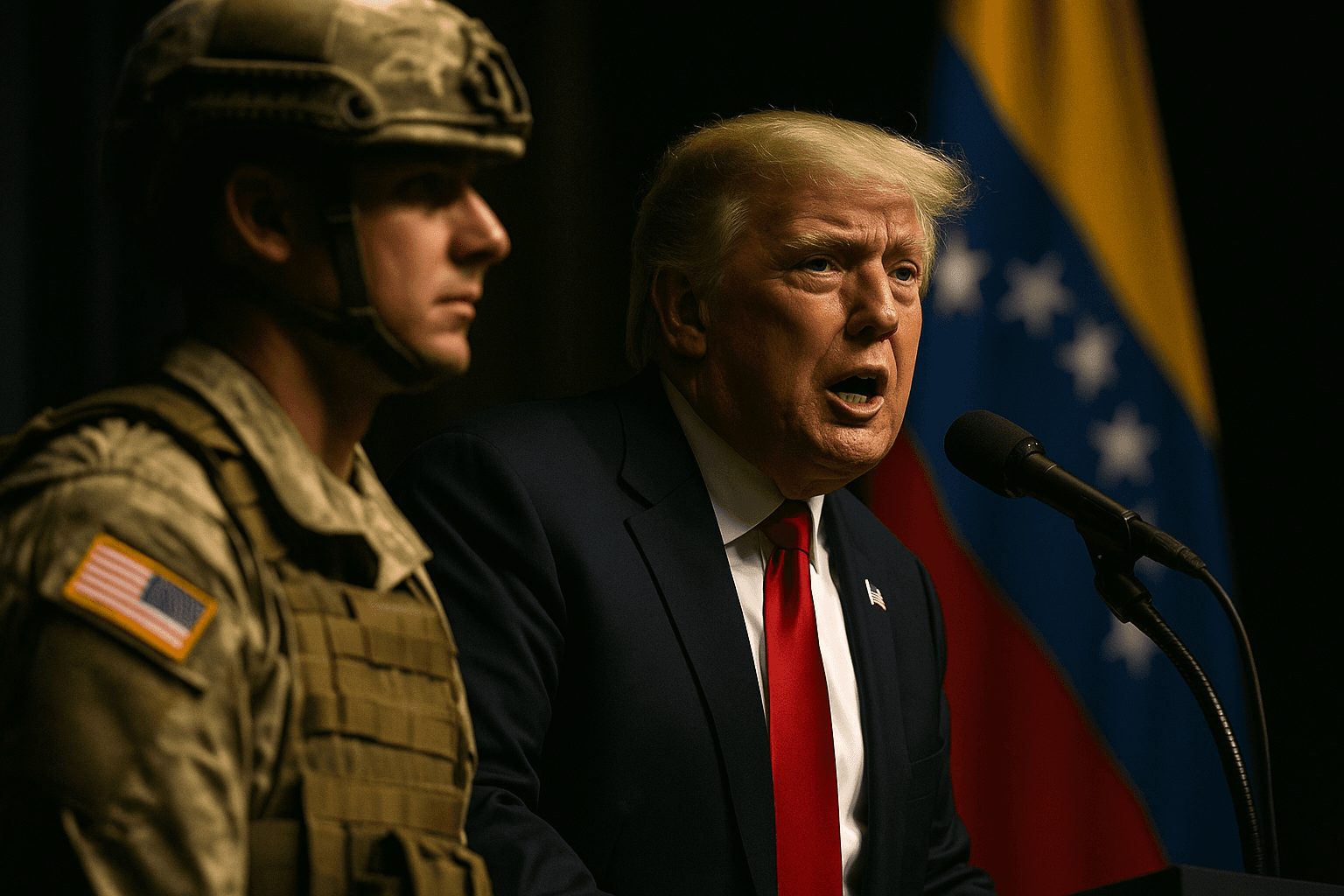
Trump Begins Final Interviews to Choose Next Federal Reserve Chair
The Financial Times reported President Trump began a closing round of interviews this week to select the next Federal Reserve chair, a choice that will shape U.S. monetary policy and market expectations. The administration signaled its shortlist includes high profile candidates, making the nomination and confirmation process a politically sensitive moment for both investors and lawmakers.
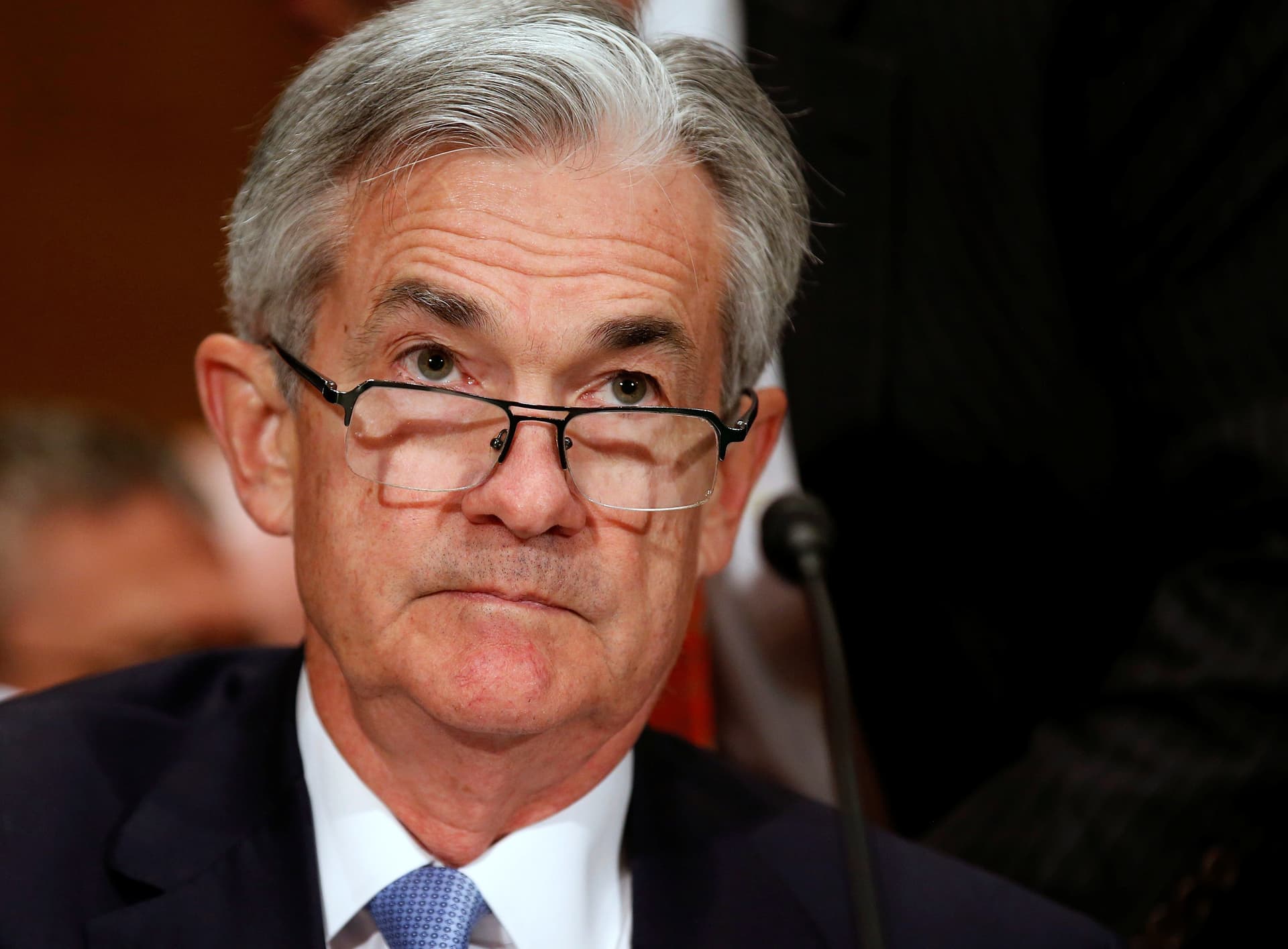
The Financial Times reported that President Donald Trump began the final round of interviews on December 9 to select the next Federal Reserve chair, accelerating a decision that will determine the central bank leadership when Jerome Powell’s term expires in May 2026. According to the report, Mr. Trump met with former Federal Reserve governor Kevin Warsh on Wednesday and was accompanied by Treasury Secretary Scott Bessent for that meeting. The Financial Times account said the interviews were part of a closing slate of candidate meetings inside the White House.
National Economic Council Director Kevin Hassett was described in the report as widely viewed inside the administration as a leading candidate to replace Mr. Powell. Reuters noted the reporting was based on three senior administration officials and said it had not independently verified every detail. The White House did not immediately release a timeline for a formal nomination or comment on the reported meetings.
The stakes of the selection are both economic and institutional. The Fed chair sets the tone for monetary policy, communications and regulatory priorities at a time when markets remain sensitive to signals about interest rates, inflation and growth. A new chair could shift the emphasis of policy decisions, alter the Fed’s approach to forward guidance and influence the central bank’s relationship with financial regulators.
The nomination process will also test the balance between executive prerogative and Federal Reserve independence. The president’s choice must be confirmed by the Senate, which means the selection will be subject to public hearings and political scrutiny. Senators from both parties have in recent years framed Fed nominations in broader debates about inflation, employment policy and the central bank’s role in financial stability. The confirmation timetable could stretch into early 2026, depending on when a formal nomination is submitted.
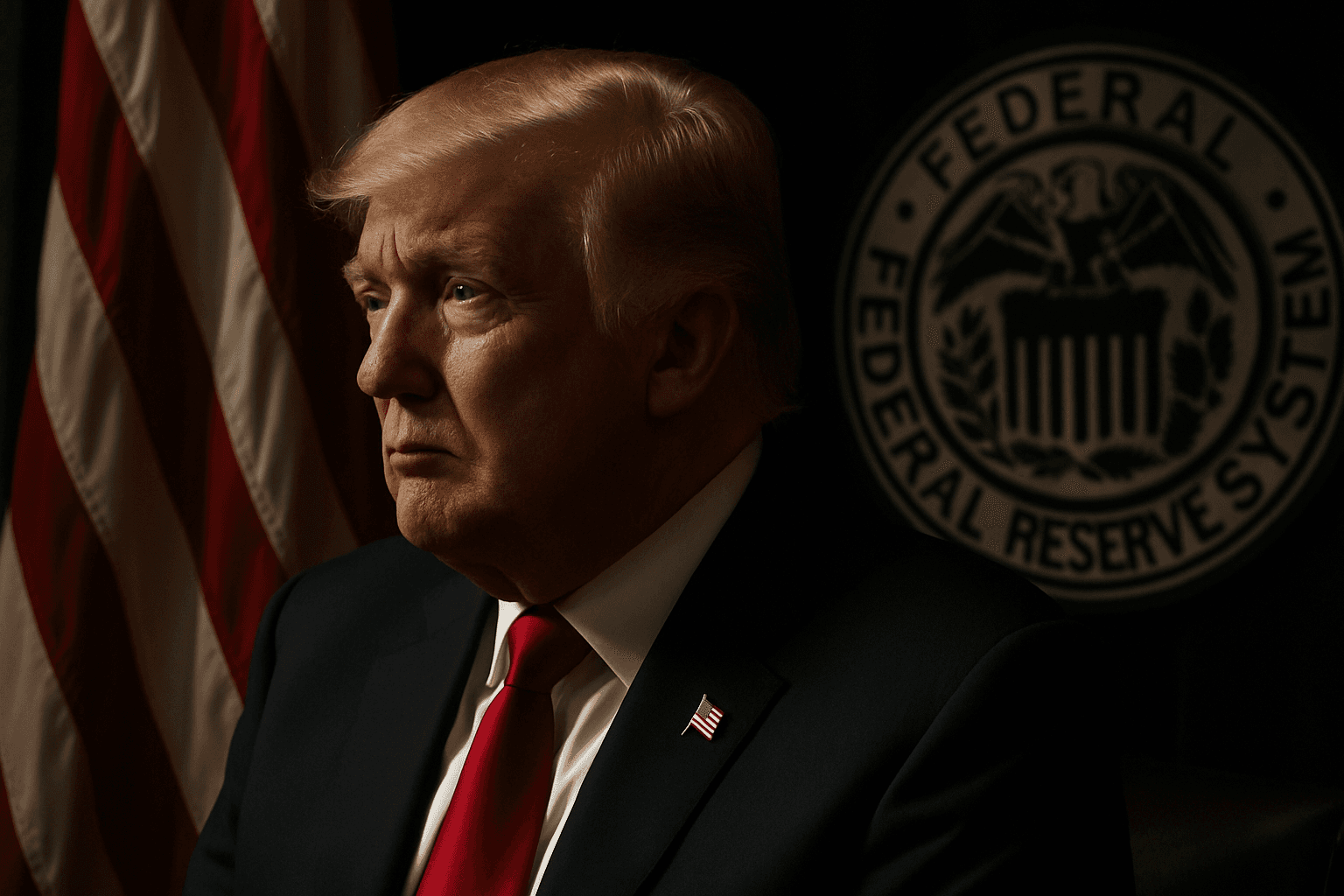
Treasury Secretary Scott Bessent’s reported presence at the meeting with Mr. Warsh underscored the administration’s coordination on the selection. Treasury engagement in a Fed chair search is customary, but close visible involvement can raise questions among markets and governance advocates about political influence on monetary policymaking. Institutional norms call for a clear separation between fiscal authorities and central bank decision making to preserve credibility in price stability and macroeconomic management.
Observers will watch for signals about the administration’s priorities from the candidates’ records and policy statements. Mr. Warsh’s experience as a former governor and Mr. Hassett’s role at the National Economic Council offer distinct perspectives on economic management and central bank strategy. Analysts say markets are likely to react to any nomination that suggests a substantial change in the Fed’s likely path for interest rates or its regulatory posture.
As the process moves forward, lawmakers and market participants will evaluate both the qualifications of any nominee and the procedures surrounding the selection. With the Fed chairship among the most consequential economic appointments, the White House decision will shape monetary policy and institutional norms well into the next administration cycle.