Trump Declines to Rule Out U.S. Troops in Venezuela, Raising Alarms
President Donald Trump told Politico he would not rule out deploying U.S. ground forces to Venezuela as part of efforts to remove Nicolás Maduro, a remark that adds fresh uncertainty to an already fraught U.S. policy toward the country. The comment comes amid an intensified campaign of U.S. strikes in the Caribbean and growing congressional demands for fuller information, and it has heightened concern across the hemisphere about the prospect of American military escalation.
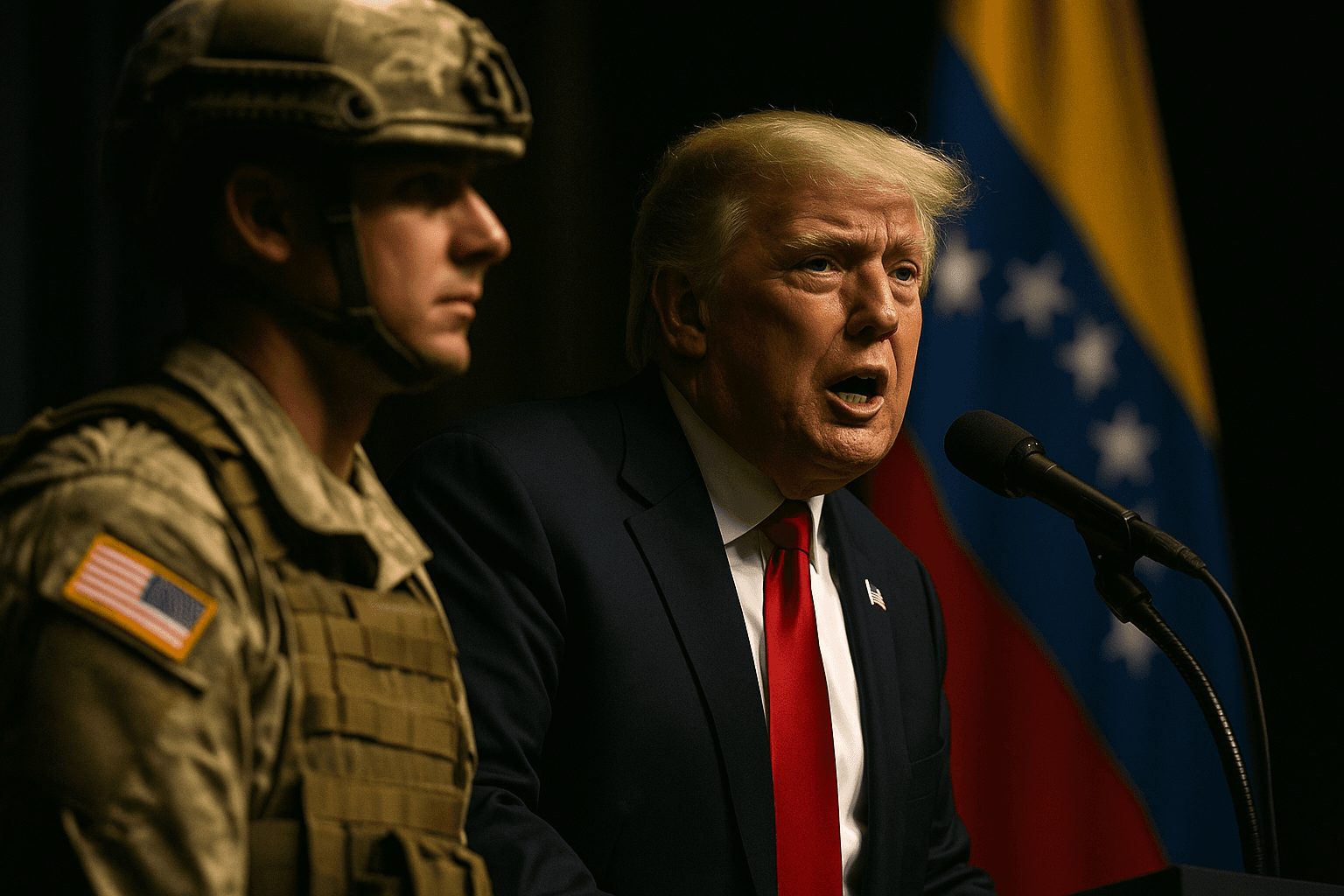
In an interview published on December 9, 2025 by Politico, President Donald Trump repeatedly declined to rule out the possibility of sending U.S. ground troops to Venezuela, saying, "I don't want to rule in or out. I don't talk about it," when directly asked about potential troop deployments. The remarks underscored the administration's increasingly muscular posture toward President Nicolás Maduro and injected new anxiety into debates in Washington and capitals across Latin America.
The comments arrived against the backdrop of a months long campaign of U.S. military strikes on vessels the administration has described as suspected drug smugglers operating in the Caribbean. Those actions, carried out at sea and far from Venezuelan ports, have already prompted questions from lawmakers about the legal basis and the scope of authority for the operations. Since the strikes began, congressional demand for briefings and documentation has intensified, reflecting bipartisan unease at the prospect of mission creep.
Administration officials have framed pressure on Venezuela as part of a broader regional security effort aimed at curbing narcotics trafficking and restoring democratic governance. But the idea of deploying ground troops raises distinct diplomatic and legal challenges that resonate beyond policy circles. Under the United Nations Charter, the use of force is tightly constrained. Experts say that absent a clear Security Council authorization or an invitation from a recognized government, the deployment of troops to remove an incumbent leader would mark a significant and controversial escalation.
The suggestion that U.S. forces might operate on Venezuelan soil has also amplified worries among regional governments about sovereignty and stability. Many capitals in Latin America are already wrestling with spillovers from Venezuela's protracted economic and political crisis, including migration, illicit economies, and humanitarian needs. Any expansion of U.S. military activity risks complicating cooperation on those pressing issues and could harden attitudes toward Washington in countries that prefer diplomatic solutions.
International allies and adversaries alike watched the comments closely. Countries that have cultivated ties with Caracas would likely view any U.S. ground intervention as an infringement on Venezuelan sovereignty, while partners wary of Mr. Maduro's rule may be concerned about the diplomatic and humanitarian fallout of an intervention. The prospect of deeper U.S. involvement also raises the risk of asymmetric responses from external backers of the Maduro government, with uncertain consequences for regional security.
For Congress the immediate question is oversight and authorization. Lawmakers have pressed the administration for greater detail on the strikes and the legal rationale for them. A decision to deploy ground forces would thrust those oversight issues to the fore and force a broader national debate about objectives, exit strategies, and the human and geopolitical costs of military action.
The Trump administration's refusal to definitively exclude ground troop deployments leaves Washington and the region in a state of heightened uncertainty, as policymakers and publics weigh the competing imperatives of confronting alleged abuses and preserving regional stability.