Trump Declares Illicit Fentanyl a Weapon of Mass Destruction
President Trump signed an executive order today designating illicit fentanyl and its core precursor chemicals as weapons of mass destruction, a classification intended to expand federal legal and operational tools against trafficking. The move carries potential consequences for criminal prosecution, international financial measures, and public health responses, raising questions about medical access and the policing of vulnerable communities.

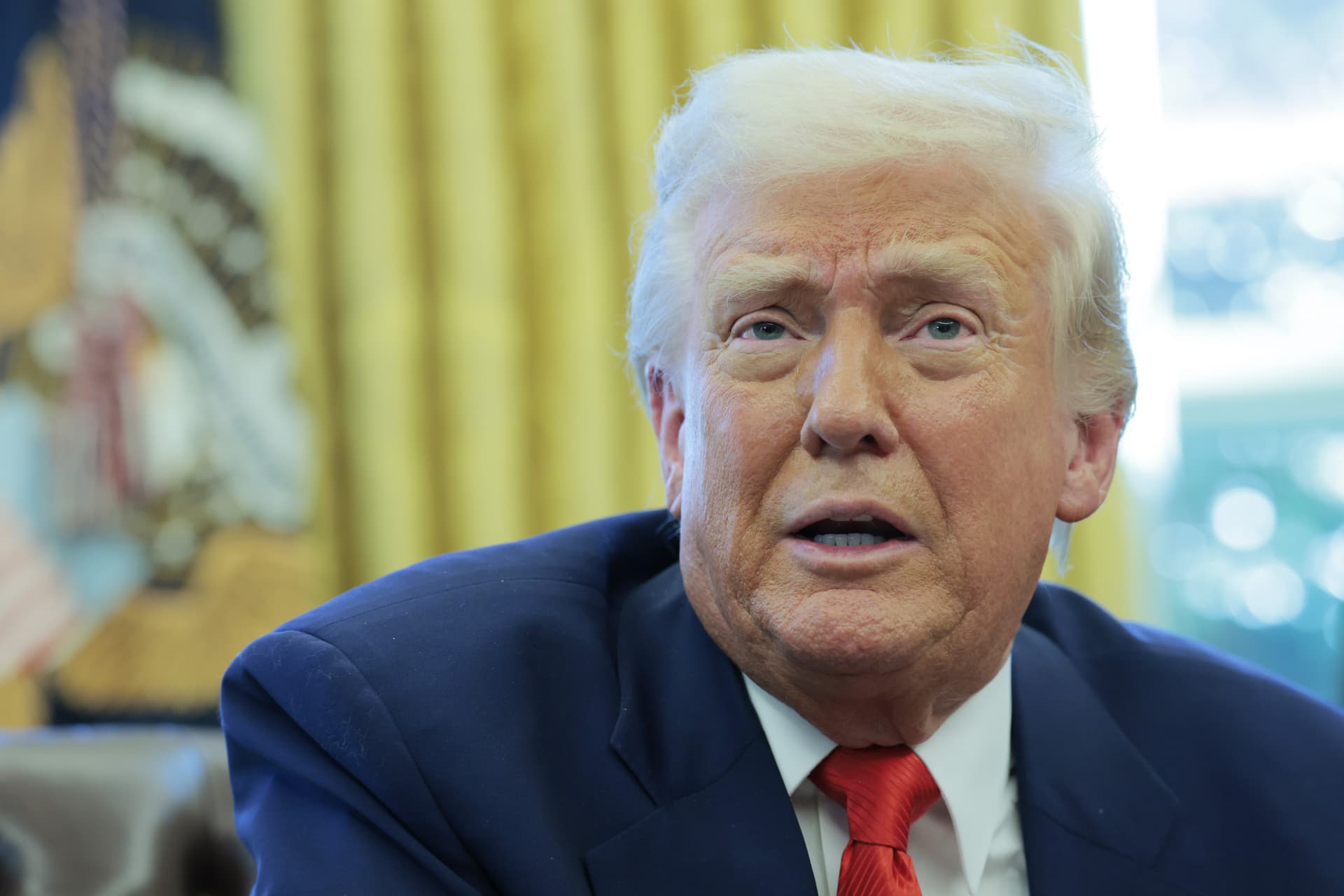
President Donald Trump on Monday signed an executive order in the Oval Office formally designating "illicit fentanyl and its core precursor chemicals" as weapons of mass destruction, an unprecedented legal classification for a narcotic. The order directs multiple cabinet officials and agencies to use expanded authorities to pursue production, distribution, and financial networks tied to the drug.
At the signing, held as the White House honored U.S. service members, the president described the action as "historic." He said, "Today I’m taking one more step to protect Americans from the scourge of deadly fentanyl flooding into our country with this historic executive order." He added, "No bomb does what this is doing," and cited an annual death toll range of "200,000 to 300,000 people" as those who die every year "that we know of."
The order instructs the attorney general to "immediately pursue investigations and prosecutions into fentanyl trafficking," signaling an expectation of tougher criminal charges and sentencing enhancements in cases involving illicit fentanyl. The secretary of state and the treasury secretary are directed to pursue appropriate actions against relevant assets and financial institutions in accordance with applicable law for those involved in or supporting the manufacture, distribution, and sale of illicit fentanyl and its core precursor chemicals. The department of defense and the justice department are also tasked with taking additional steps to combat production and distribution.
The executive order defines "illicit fentanyl" as fentanyl that is manufactured, distributed, dispensed or possessed in violation of the Controlled Substances Act, language that makes no mention of legally prescribed medical uses. By singling out both fentanyl and its core precursor chemicals, the administration says it intends to broaden the government's legal and operational tools to target not just traffickers but financial and logistical networks that enable the flow of the drug.

Legal scholars and public health specialists are likely to scrutinize how a weapons designation will be applied in practice. The classification could open avenues for enhanced criminal penalties, asset forfeiture, sanctions, and international cooperation on law enforcement. At the same time, public health advocates warn that framing a substance primarily as a weapon may shift policy emphasis from treatment and harm reduction toward enforcement, with consequences for overdose prevention programs, access to medication assisted therapy, and communities already disproportionately affected by punitive drug laws.
The move comes amid a broader pattern of tougher rhetoric and measures from the administration on border security and organized crime, including emergency declarations and legal designations aimed at criminal networks, as well as recent statutory changes to substance scheduling. Officials said the order is intended to disrupt supply chains, choke off financing, and strengthen prosecutions.
As federal agencies begin to implement the new directives, courts, healthcare providers, and local public health systems will confront the practical implications. The classification raises immediate questions about how investigations will distinguish illicit activity from legitimate medical practice, how international partners will respond to asset targeting, and how communities facing high overdose rates will be served by policies that emphasize criminal law tools alongside public health measures.
Know something we missed? Have a correction or additional information?
Submit a Tip