Two-week weather outlook signals travel impacts for North Idaho
Our 14-day North Idaho forecast issued Jan. 12 outlines temperatures, snow chances and timing for incoming systems that could affect travel and outdoor events.
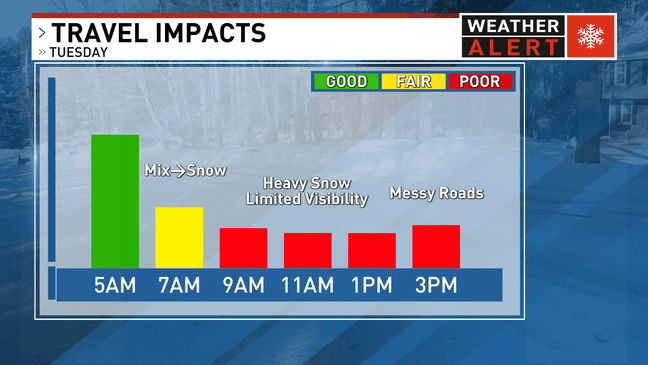
A 14-day forecast for North Idaho issued Jan. 12 projects a stretch of variable winter weather that residents should watch for when planning travel, outdoor recreation and local events. The outlook covers expected temperatures, precipitation and snow chances, plus timing for incoming systems over the next two weeks — information that can influence road conditions, school and event scheduling, and small-business foot traffic.
The forecast’s primary takeaway is simple: conditions will shift enough over the next 14 days to warrant close monitoring. Short-term temperature swings will determine whether precipitation falls as rain or snow in the valley and whether higher elevations see accumulation. Timing of successive systems matters for travel windows; back-to-back storms increase the likelihood of prolonged travel delays and higher demands on plows and road crews.
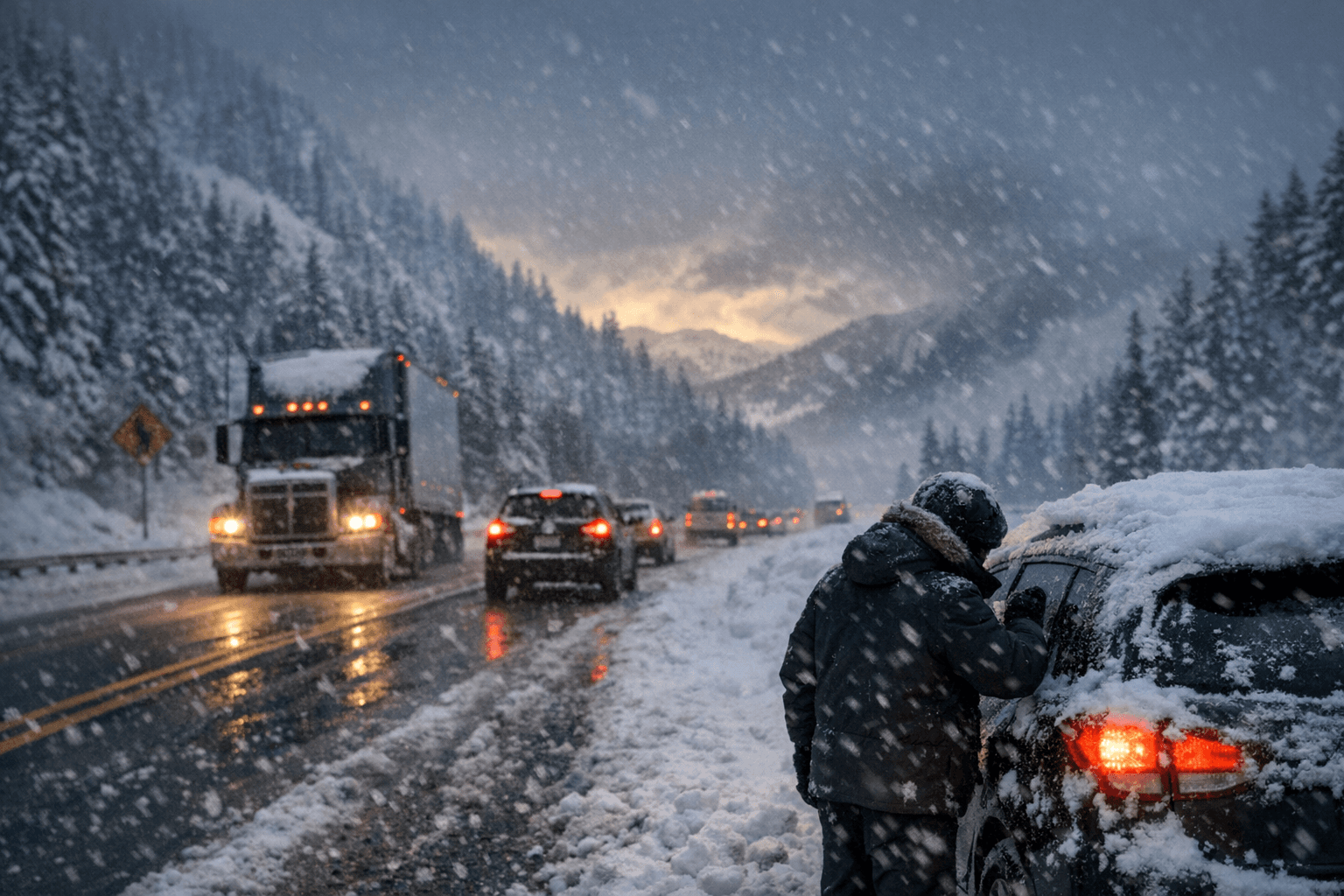
For drivers and transportation planners, that timing is the immediate concern. Snow and mixed-precipitation events raise the need for chain controls on mountain routes and for agencies to pre-treat highways. Local public works departments and the Idaho Transportation Department typically adjust road-treatment schedules when multi-day events are forecast, which can affect traffic flow and maintenance costs. For commuters and delivery services that support Kootenai County’s retail and hospitality businesses, even a single day of slowed roads can ripple through local supply schedules and staffing.
Outdoor recreation operators and event planners also face trade-offs. Winter festivals, guided outings and ski-area operations depend on a reliable picture of accumulation and melt cycles. A forecast window that shows alternating warm and cold stretches can complicate grooming plans at resorts, affect on-mountain safety protocols and shift visitor demand. For small businesses reliant on weekend events, postponements or reduced attendance during poor weather translate into measurable revenue swings.
Public-safety officials, schools and organizers should use the forecast proactively. Updating cancellations, sheltering plans and event-status notices ahead of known windows of precipitation reduces last-minute scrambling and improves public safety outcomes. Residents making travel or outdoor plans should check updates frequently; the weather page for our newsroom is refreshed regularly as new data arrives.
The broader economic implication is clear: winter-weather variability increases operational uncertainty for municipal services and local commerce. Higher frequency of disruptive events tends to raise budget pressures for road maintenance and can compress revenue for weather-sensitive businesses. The takeaway? Build flexibility into plans, watch forecasts daily and give road crews and event operators a little extra margin when systems are on the calendar. Our two cents? Keep a flexible itinerary, factor in extra time for travel and monitor the forecast before you leave the driveway.
Sources:
Know something we missed? Have a correction or additional information?
Submit a Tip