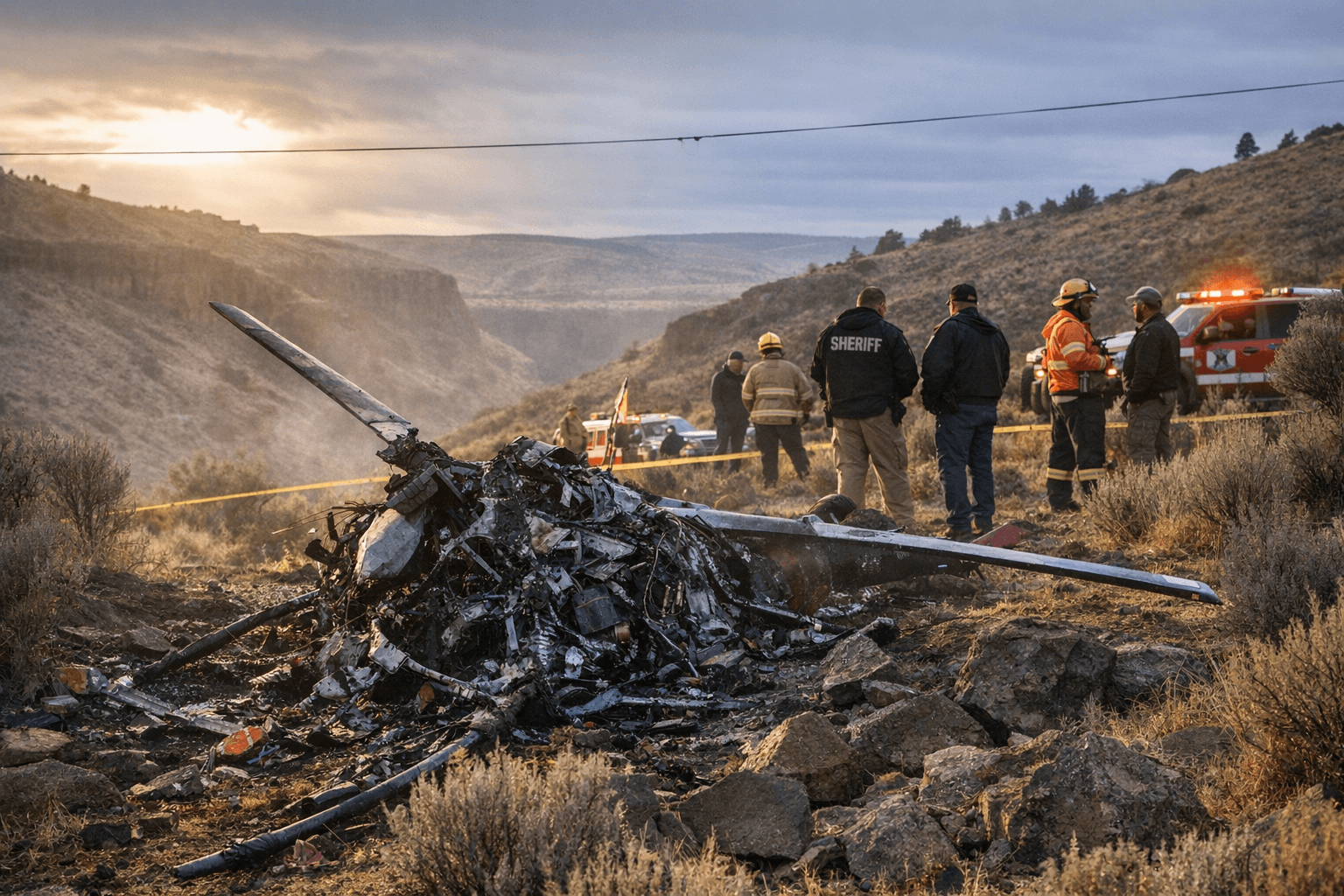
Union County Search and Rescue reports 32 missions, flags growing strain
Union County Search and Rescue responded to 32 missions in 2025 and warned rising call volume is stretching volunteer resources, training and equipment.
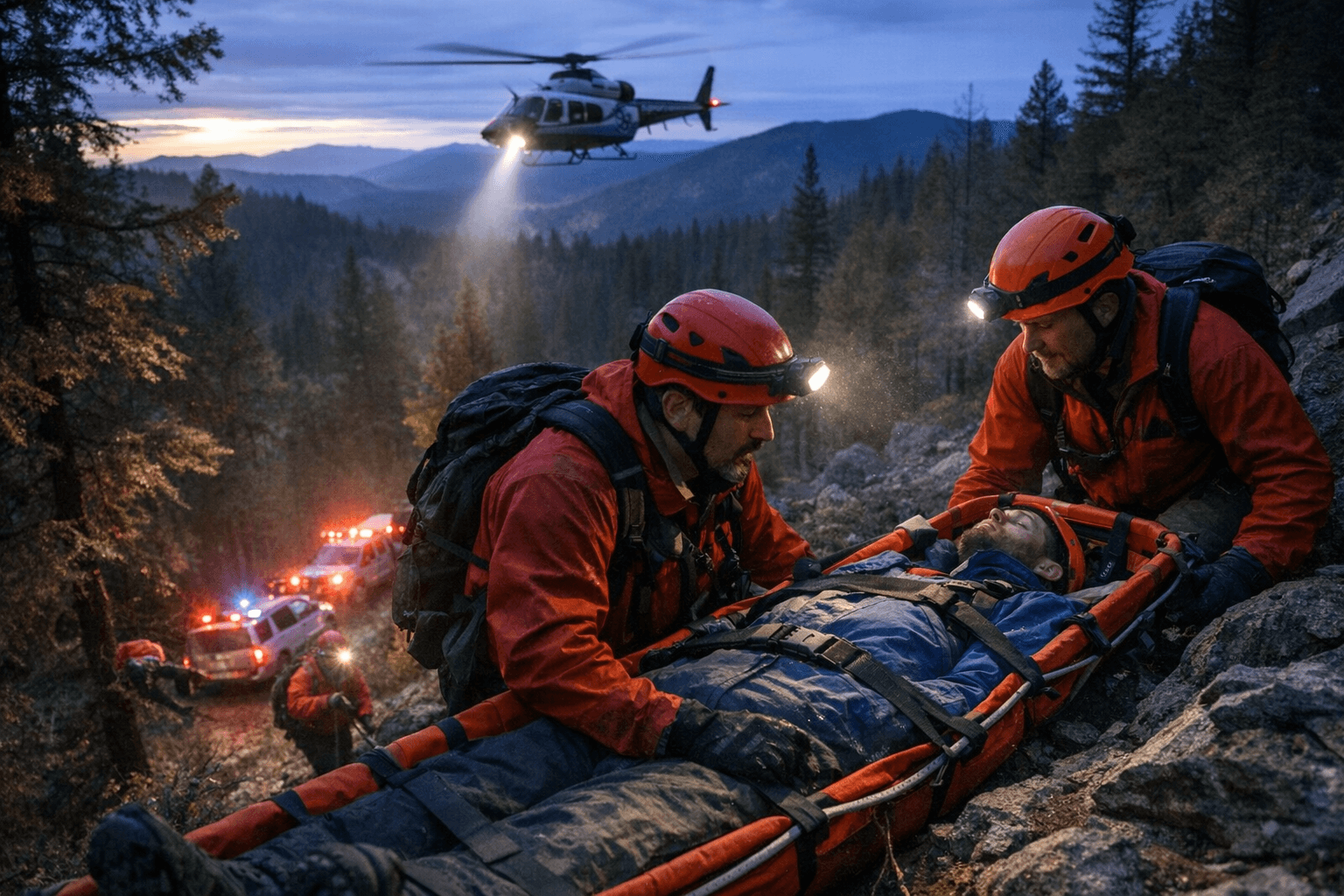
Union County Search and Rescue released a public recap of its 2025 operations, reporting it responded to 32 missions last year and urging the community to recognize the time, training and resources rural search-and-rescue demands. The post thanked deputies, dispatchers, firefighters, neighboring SAR teams, supporters and the SAR volunteers themselves, and framed the recap as a way to inform residents about workload and agency partnerships.
The statistic is a clear early signal about operational tempo in a largely volunteer organization. In small counties like ours, a few dozen missions can translate into hundreds of volunteer hours, vehicle and equipment wear, and recurring training demands. Volunteers balance night searches, cold-weather operations and long-distance responses with other jobs and family commitments, so even modest year-to-year increases in call volume can create capacity problems that affect response time and readiness.
The SAR post emphasized teamwork across local agencies. Mutual aid from neighboring SAR teams and routine support from deputies, dispatchers and volunteer fire departments help close capability gaps. But dependency on goodwill and donated time has limits. From a budgetary perspective, rising mission counts tend to push costs into county emergency services budgets, or require pursuit of state and federal grants, private donations and community fundraising to cover communications gear, vehicle maintenance, medical supplies and ongoing training.
For Union County residents the implications are practical. More missions mean volunteers are pulled from other duties more often, and prolonged operations can strain county emergency budgets and volunteer retention. That in turn can increase response times for backcountry rescues or incidents on rural roads. Community-level policy choices matter: allocating predictable funds for equipment, establishing training stipends or stipulating formal mutual-aid agreements can stabilize capacity. Investing in volunteer recruitment and in a training pipeline also reduces reliance on last-minute overtime or overextended small teams.
Longer-term trends to watch include changing recreational patterns, weather-related risks and demographic shifts that influence call frequency. Local officials and emergency planners will need to weigh whether current funding mechanisms and interagency cooperation are sufficient if mission counts continue to climb.
The takeaway? Support for SAR is not just applause after a successful extraction. Practical steps make a difference: let someone know your route before heading out, carry a charged phone and emergency gear, and consider small financial or material donations to teams that operate on shoestring budgets. Our two cents? Backing our volunteers with steady funding, sensible policy and community preparedness keeps searchers ready and our county safer when the trail or road goes sideways.
Sources:
Know something we missed? Have a correction or additional information?
Submit a Tip