United Nations Warns Interlinked Environmental Crises Demand Immediate Investment
A comprehensive United Nations assessment released at the Environment Assembly in Nairobi warns that climate change, pollution, biodiversity loss and land degradation are tightly linked, amplifying risks to health, food and water security and economic stability. The report finds up to 40 percent of land is degraded, more than one million species face extinction and pollution contributes to millions of deaths annually, and it calls for integrated global investment in the trillions of dollars to reach net zero and restore ecosystems.

The United Nations issued a stark assessment on Tuesday that frames climate change, pollution, biodiversity loss and land degradation not as separate problems but as a single, escalating crisis that threatens human health, food and water systems and global economic stability. Released at the United Nations Environment Assembly in Nairobi, the report urges coordinated policy action and financing at a scale the world has so far failed to deliver.
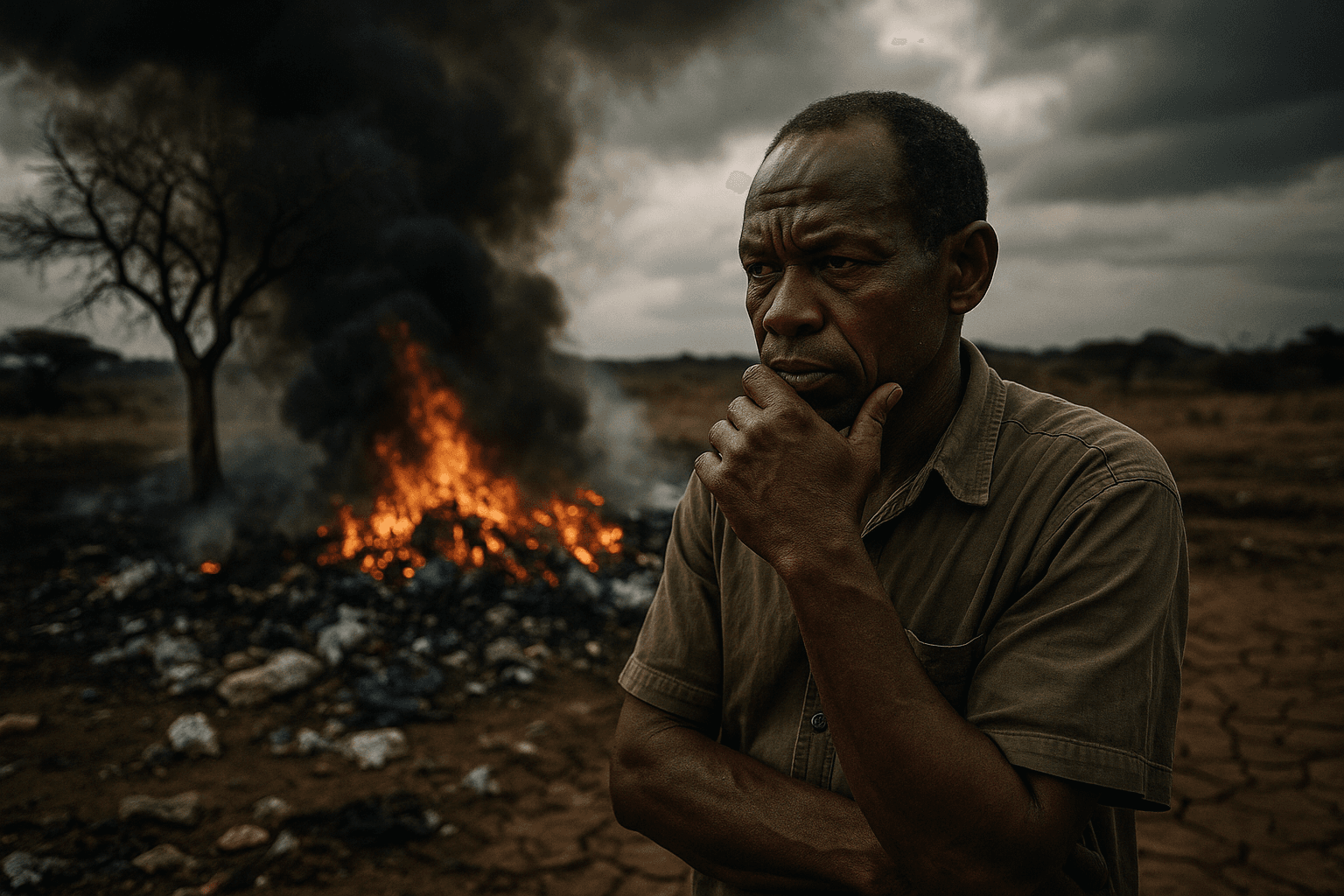
The assessment, compiled by leading scientists and U.N. experts, finds that up to 40 percent of the planet's land is degraded and that more than one million species face extinction without significant intervention. Pollution remains a parallel killer, contributing to millions of deaths each year and placing additional burdens on health systems already strained by climate related shocks. Together these trends, the authors argue, raise the likelihood of cascading failures across agriculture, freshwater supplies and urban infrastructure.
Economic analysis contained in the report frames the crisis in fiscal as well as human terms. The authors estimate that achieving net zero emissions and investing in ecosystem restoration will require global investment in the trillions of dollars annually. That level of spending is presented not as a cost without return but as an investment, with long term economic benefits from avoided damages, improved public health, sustained food production and more resilient infrastructure that the report says will far outweigh the upfront sums.
The report also stresses that piecemeal responses will be insufficient. Siloed policies that target emissions alone, or that focus only on species protection or pollution control, will miss critical interactions that can either magnify benefits or introduce new risks. Integrated strategies, the assessment contends, can create reinforcing gains such as restoring degraded land to sequester carbon while boosting local food security and reducing runoff pollution that harms freshwater ecosystems.
Timing is central to the report's appeal. Presented during high level meetings in Nairobi intended to mobilize international cooperation, the assessment is meant to inform negotiations over financing, technology transfer and policy alignment. Authors and climate scientists associated with the work urged governments, financial institutions and the private sector to align investments and policy levers now, arguing that delays will increase both human suffering and long term economic costs.
The report underscores equity challenges that will accompany any ambitious global effort. Low income countries, which have contributed least to historical emissions, often carry the greatest burdens of degraded land and biodiversity loss and will require disproportionately large flows of finance and capacity building to implement integrated solutions. The assessment calls for mechanisms to ensure financing is predictable and targets those most affected by the intertwined crises.
Ultimately the United Nations assessment frames the choice before policymakers as one between coordinated, timely investment that yields long term returns, and mounting damages that will be costlier and harder to reverse. The authors present the evidence as a clear mandate for action, and they have placed that mandate squarely at the center of discussions unfolding at the Environment Assembly in Nairobi.