University of Maryland Appoints Leaders to Strengthen Research Operations
On December 4 the University of Maryland Division of Research created new operational innovation and integration roles and appointed Pamela Lanford, Reka Monfort, and Sharon Gibbs Cooper to lead them. The changes aim to streamline research operations, improve coordination across units, and support translational and interdisciplinary work, steps that could affect local research funding, partnerships, and community health projects in Prince George's County.
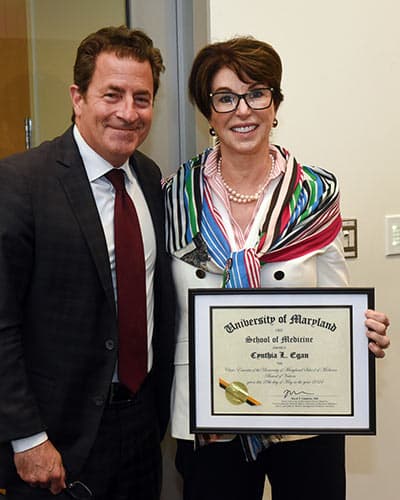
On December 4 the University of Maryland Division of Research announced new operational innovation and integration roles and the appointment of Pamela Lanford, Reka Monfort, and Sharon Gibbs Cooper to lead them. Pamela Lanford was named Director of Research Operations, Innovation, Integration and Policy. The restructuring is presented as part of a broader effort to strengthen research administration and operational capacity at a time of heightened competition for funding.
The university framed the staff changes as intended to streamline research operations and improve coordination across units, with a specific focus on supporting translational and interdisciplinary work. For local researchers, faculty, and research staff in Prince George's County this could translate into more efficient grant support, clearer pathways for cross campus collaboration, and smoother administrative processes for projects that partner with county institutions.
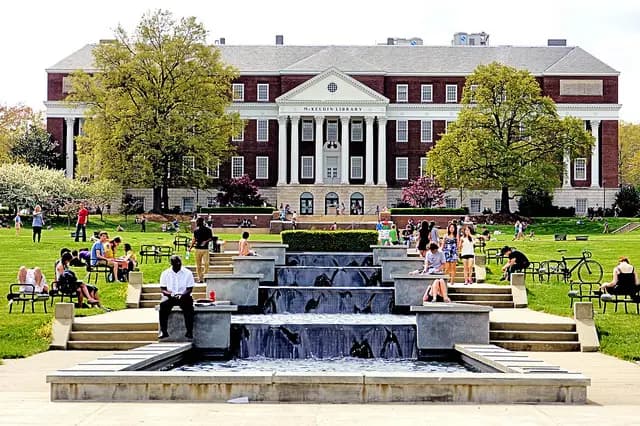
University of Maryland's College Park campus serves as a major research hub in Prince George's County. Changes to how research is managed and integrated have direct implications for local economic activity, workforce development, and community facing research projects. Faster approvals and better coordination may help move laboratory findings into community health programs and clinical partnerships more quickly, which is especially relevant to public health initiatives and social service providers that rely on university collaborations.
The announcement comes as federal and private research funding remain competitive. By consolidating operational roles and emphasizing innovation and integration the Division of Research aims to position investigators to pursue interdisciplinary grants that address complex health and social problems. For residents this could mean increased opportunities for community engagement in research, potential growth in local research jobs, and improved translation of university discoveries into services and interventions.
The appointments also raise questions about equity and access. How new operational structures will center community voice, support minority and early career investigators, and ensure that benefits of research reach underserved neighborhoods will be critical measures of success. As these roles begin their work, local partners and county leaders will be watching how changes to research administration affect collaboration, resource allocation, and the tangible health outcomes for Prince George's County residents.
Sources:
Know something we missed? Have a correction or additional information?
Submit a Tip