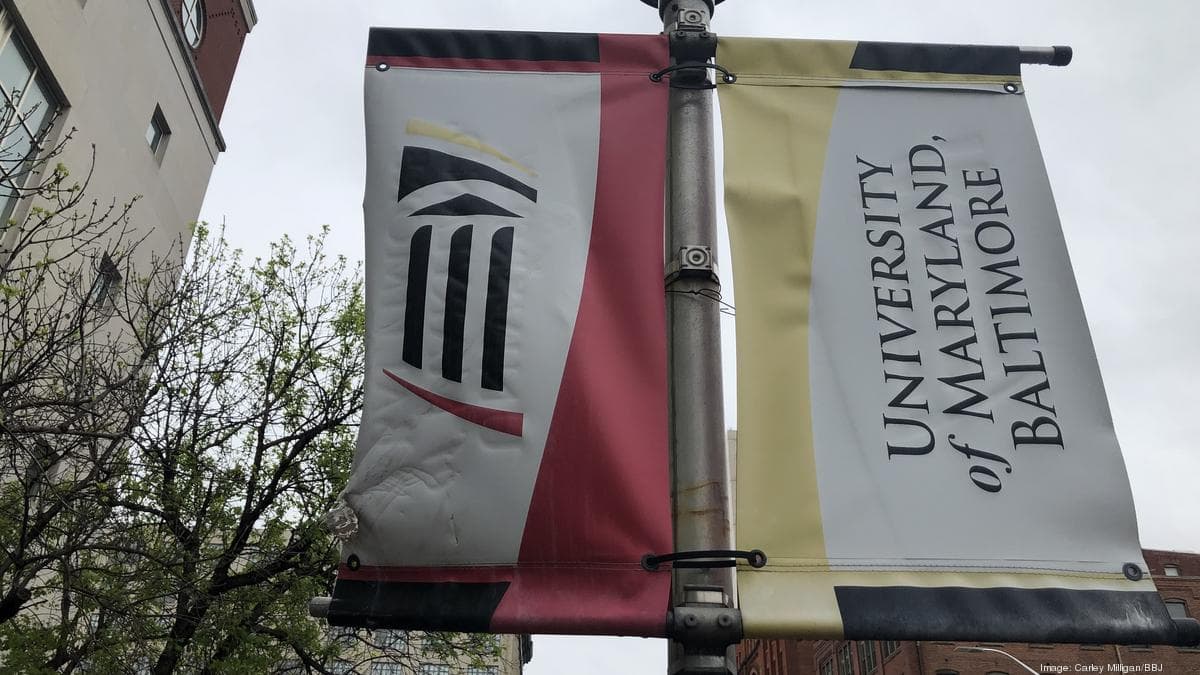
University of Maryland Expands MD Class, Aims to Boost Workforce
The University of Maryland School of Medicine received LCME approval to increase its MD entering class size gradually over five years, starting with 175 students in academic year 2026 to 2027 and growing to 200 by academic year 2031 to 2032. The move is intended to address projected shortages of primary care and specialty physicians, a development that could affect hospital staffing, clinic access, and residency competition in Baltimore.

On December 9, 2025 the University of Maryland School of Medicine announced institutional clearances from the Liaison Committee on Medical Education to raise its MD program entering class size over a five year period. The plan begins with a 175 student class in academic year 2026 to 2027 and phases up to 200 students by academic year 2031 to 2032, an increase of 25 students or roughly 14 percent from the first expanded class.
School leaders presented the expansion as a response to national projections from the Association of American Medical Colleges and other analysts that predict significant physician shortfalls in coming decades. The announcement said the growth is supported by the school’s faculty, facilities and clinical training capacity and will be paired with a set of complementary programs designed to strengthen Maryland’s medical workforce.
Those complementary efforts include a Rural Health Initiative to direct trainees toward underserved areas, a new BS MD program partnership to broaden the pipeline of Maryland residents who pursue medicine, expanded clerkship preceptors to increase clinical training placements, and new elective offerings to diversify specialty exposure. Together these measures are intended to improve retention of physicians in state and rural settings while widening the range of clinical experience available to students training in Baltimore City hospitals and clinics.

For Baltimore residents the expansion carries several practical implications. Incremental growth in class size can lead to more trainees rotating through local hospitals and outpatient clinics, easing some staffing pressures and increasing primary care availability over time. It also means more graduates will be competing for residency positions, which will place a premium on expanding graduate medical education slots if the policy goal is to turn additional enrollments into practicing physicians who remain in Maryland.
Economically the plan will add students who contribute tuition, housing demand and service spending in Baltimore neighborhoods near the medical campus. The long term impact on physician supply will depend on how many of the expanded cohorts match into residency programs in Maryland and choose to practice here after training. The school’s mix of pipeline programs and clinical expansion is intended to shape that outcome, but achieving measurable increases in local physician capacity will take several years.
Sources:
Know something we missed? Have a correction or additional information?
Submit a Tip