U.S. and Ukraine hold adviser ceasefire talks in Berlin ahead of summit
U.S. and Ukrainian envoys met in Berlin over the weekend for adviser level discussions on a potential ceasefire, as European leaders prepare for an expanded summit on Monday. The meetings signal heightened diplomatic pressure and fast moving negotiations on security guarantees, reconstruction and a possible truce along current front lines.

Senior U.S. and Ukrainian officials convened in Berlin on December 13 and 14 for adviser level discussions aimed at advancing a possible ceasefire in Ukraine, in a sequence of meetings timed to precede a broader European summit hosted by German Chancellor Friedrich Merz. The weekend sessions took place at an undisclosed location in the German capital and were described by participants as preparatory to a larger gathering of European heads of state and senior EU and NATO representatives scheduled for Monday.
U.S. envoys in Berlin included Special Envoy Steve Witkoff and Jared Kushner, identified as President Donald Trump’s son in law in several accounts. Ukraine’s delegation featured President Volodymyr Zelenskyy, who arrived for economic and summit meetings, lead negotiator Rustem Umerov, who had taken part in preparatory videoconferences, and Deputy Foreign Minister Sergiy Kyslytsya, who posted a picture from Berlin and wrote that there was "a day of meetings ahead" without providing further detail.
The adviser talks followed an earlier videoconference that brought together Umerov and national security advisers from the United States and European countries to align positions on security arrangements and to advance discussion of a peace framework. Participants spent the weekend reviewing a broader package of ideas described by some in diplomatic circles as a "20 point plan" that could form the basis for a truce, including the possibility of a ceasefire along current front lines and accompanying security guarantees for Ukraine.
Zelenskyy has repeatedly insisted that any settlement must deliver what he called a "dignified peace" with concrete safeguards preventing future Russian aggression. Kyiv has also publicly signaled that, while it is engaging Western interlocutors and reviewing proposals, it is not negotiating directly with Moscow at these meetings. Separate sessions in Berlin were devoted to economic cooperation and reconstruction planning, matters expected to feature in bilateral talks between Zelenskyy and Chancellor Merz on Monday.
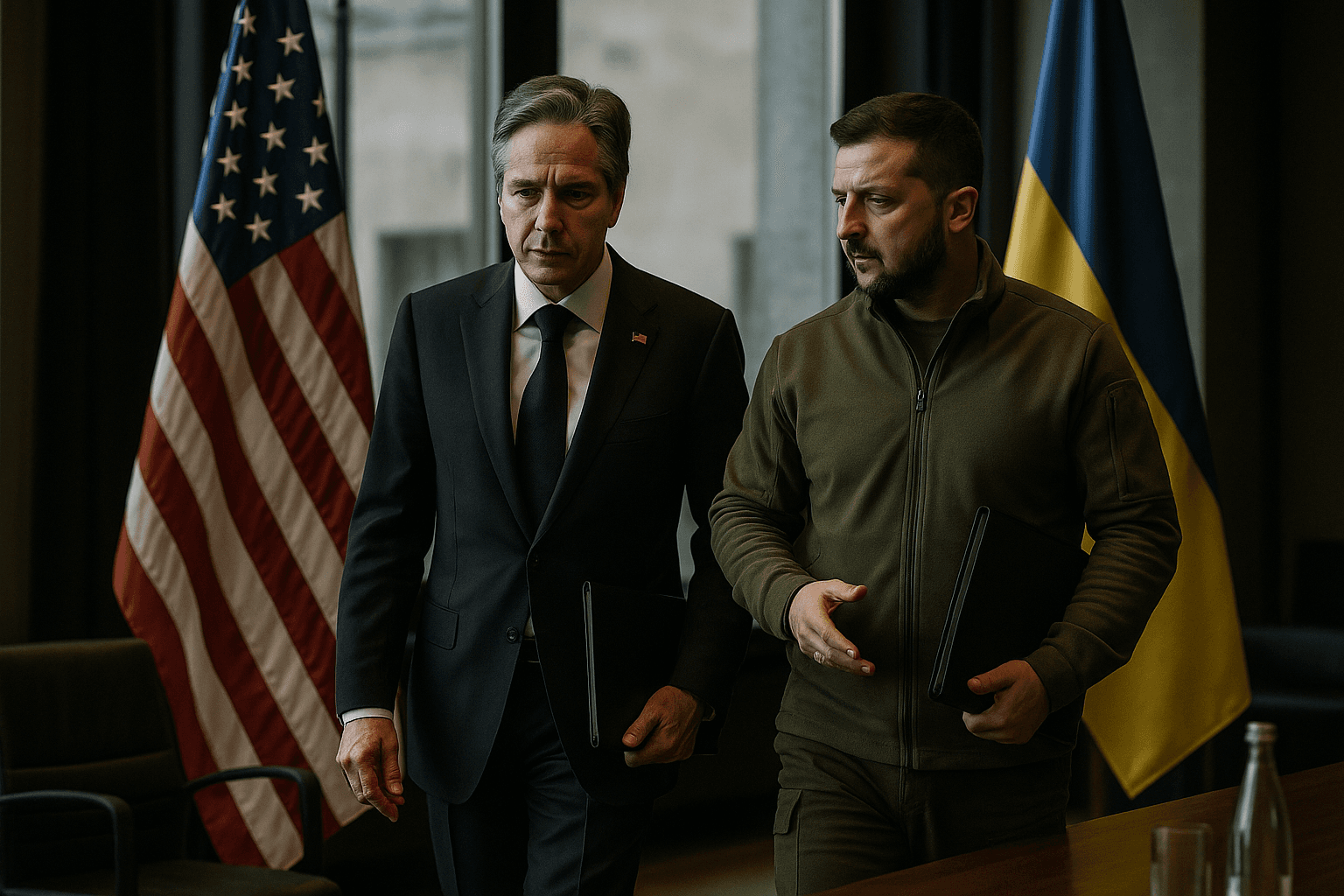
The meetings exposed sharp political dynamics. Officials said the U.S. administration had intensified pressure on Kyiv to consider its proposals, which critics contend could involve concessions that Ukraine has previously rejected. That tension helped frame the urgent pace of the weekend consultations, as European leaders sought to present a coherent Western position at Monday’s expanded summit that will include top EU and NATO representatives. A German government spokesman, Stefan, said the meeting scheduled for Monday would include "numerous European heads of state and government, as well as top EU and NATO representatives."
Beyond negotiators at the table, the weekend unfolded against continuing conflict related incidents elsewhere, including a reported fire at an oil depot in Uryupinsk in Russia’s Volgograd region after drone debris fell on the facility. As diplomats moved to translate adviser level alignment into political decisions, key questions remained unresolved. Observers will be watching for any text or outline of the referenced plan, confirmation of delegations and mandates for U.S. envoys, and whether the Monday summit produces concrete steps toward a ceasefire or a timetable for further negotiations.
Sources:
Know something we missed? Have a correction or additional information?
Submit a Tip

