U.S. grid transmission limits threaten expansion of AI data centers
Google warns transmission constraints are the main bottleneck slowing new AI data centers, forcing costly workarounds and testing regulators' rules.
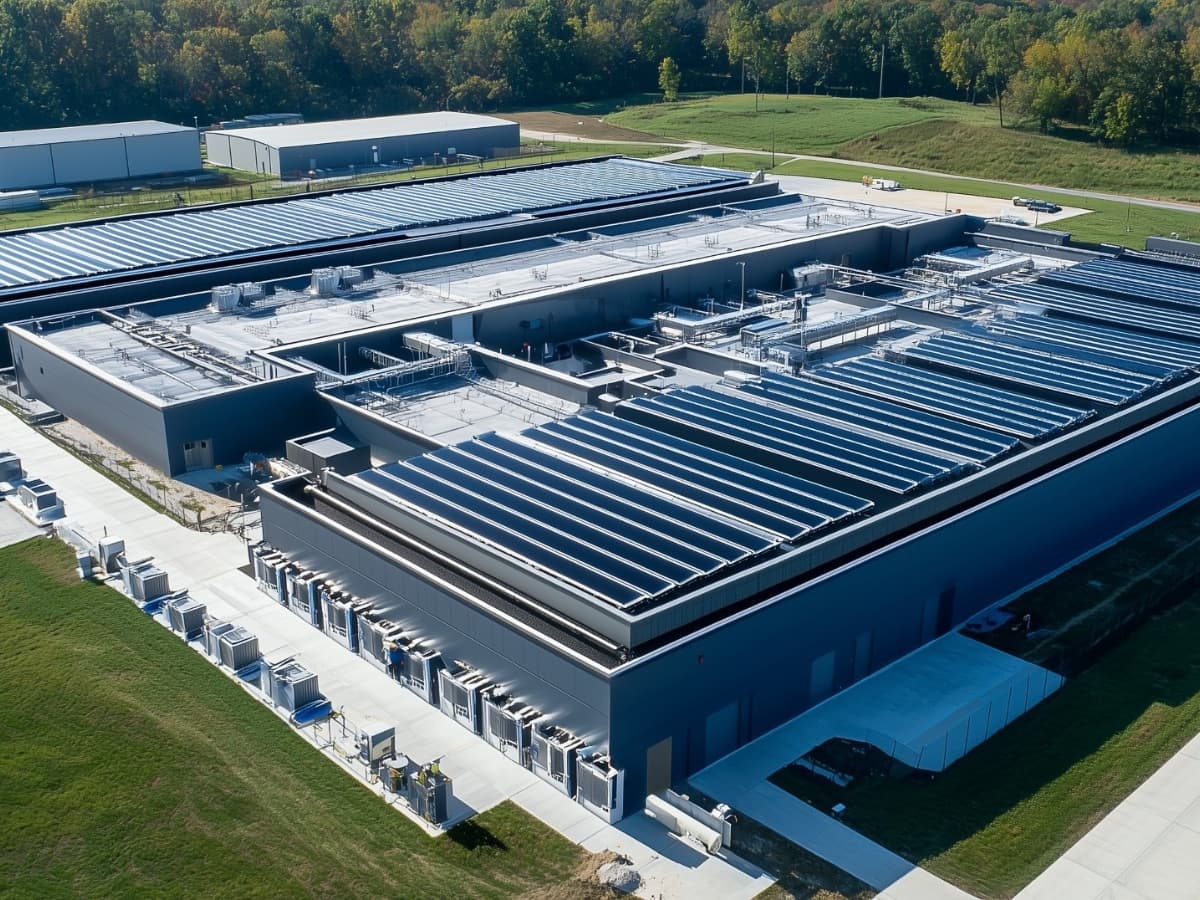
“Transmission barriers are the number one challenge we’re seeing on the grid,” said Marsden Hanna, Google’s global head of sustainability and climate policy, speaking at an American Enterprise Institute event on Jan. 14, 2026. Hanna’s remarks put a technology company that is among the largest electricity consumers squarely at the center of a widening policy and infrastructure debate over how the United States will power rapid growth in energy intensive artificial intelligence workloads.
Utilities, Hanna said, are commonly telling prospective customers that interconnection timelines range from four or five years to as long as ten years. In one striking example cited to company officials, a utility told Google it would take 12 years merely to study an interconnection request. Those delays are shaping where and how hyperscalers build new capacity and are driving interest in alternatives to standard grid connections.
Google still prefers what Hanna described as “grid-connected load,” but the company is increasingly pursuing colocations - placing data centers adjacent to power plants - as a “speed to power” measure. Hanna said the hope is that such colocated facilities “can eventually be grid-connected resources” and that Google wants sites to remain “front of the meter” so they can serve the broader electricity system rather than operate as isolated or captive power sources.
The debate touches technical, regulatory and commercial fault lines. Building new high-voltage transmission lines faces complex permitting and licensing processes that can stretch projects for years. Utilities and developers are also considering technologies that increase power flows on existing transmission corridors, but those measures often require regulatory approval and investment frameworks that are not yet standardized across regional transmission organizations and independent system operators.
Colocation arrangements can bypass long queue times and shorten the path to power, but they introduce thorny questions about cost allocation and reliability. When a plant’s output is effectively dedicated to a single large customer, consumers and regulators must decide who bears upgrade or reliability costs and how to preserve broader grid resilience. Federal and regional regulators are reportedly considering guidelines to address the allocation of costs and the reliability consequences of colocating data centers next to existing power plants.
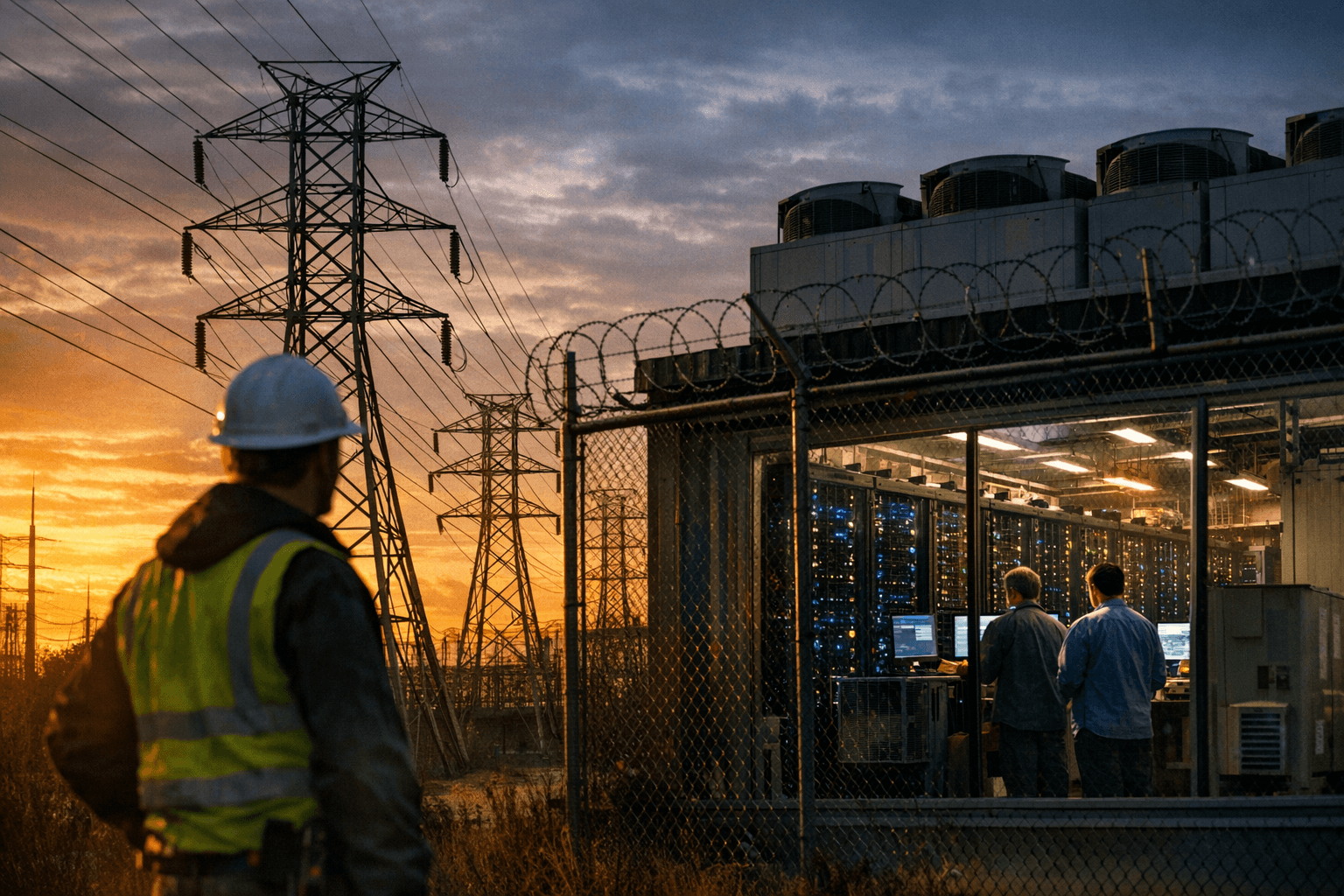
Market signals are already shifting. Industry reporting aggregated by market watchers has suggested pricing for colocations and adjacent-to-plant arrangements has risen in power-constrained markets, with one source identified only as “Gogia” telling analysts prices jumped roughly 20 percent. Such increases flow through to cloud customers and could reshape regional pricing for AI compute services.
The stakes are high. Large-scale AI training and inference demand sustained, high-capacity power for cooling and compute, and as more companies race to expand capacity the lack of timely transmission upgrades risks bottlenecking growth or pushing firms into arrangements that could complicate long-term planning for the grid.
Google views colocations as a pragmatic short- to medium-term workaround while transmission capacity and permitting catch up. But Hanna’s blunt assessment underscores a broader reality: without faster transmission upgrades and clearer regulatory rules, the pace of AI infrastructure deployment will be governed as much by lines on a map as by chips and software.
Sources:
Know something we missed? Have a correction or additional information?
Submit a Tip