U.S. Prepares Russia Energy and Shadow Fleet Sanctions If Putin Declines Peace
U.S. officials are readying a fresh package of measures targeting Russia's energy sector, tankers that move Moscow's oil, and traders who facilitate those transactions, to be triggered if President Vladimir Putin rejects a proposed peace framework for Ukraine. The conditional strategy seeks to sharpen economic pressure while preserving a pathway for diplomacy depending on Moscow's response.
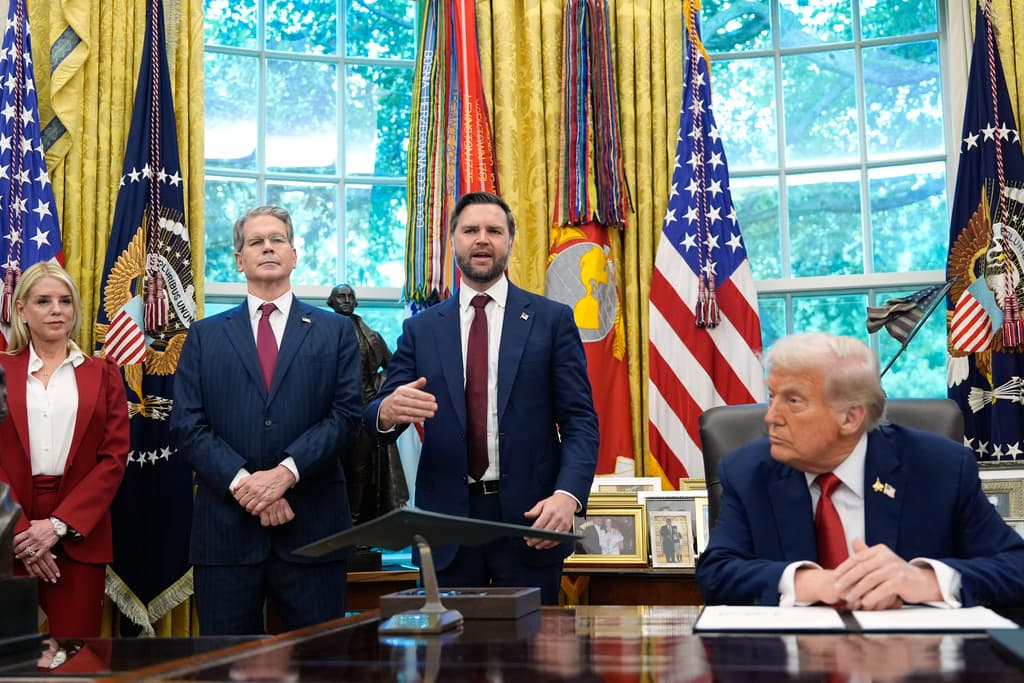
U.S. officials are preparing a contingency sanctions package aimed at widening pressure on Russia's energy economy and the maritime logistics that sustain its oil exports, to be implemented if President Vladimir Putin declines a proposed peace framework for Ukraine. People familiar with private U.S. deliberations say the contemplated measures focus on tankers in what officials call the shadow fleet and on the traders and intermediaries who enable the movement and sale of Russian crude.
The scope under consideration is broad but not yet finalized. Officials describe the package as a fresh round of tools directed at the energy sector more widely, together with steps targeting specific parts of the maritime network that have allowed Russia to continue exporting oil despite earlier Western restrictions. The phrase shadow fleet is used by those briefed on the discussions to denote tankers and other vessels that have been used to transport Moscow's oil around opaque reflagging and ship to ship transfers.
Those working on the plans say the measures are explicitly conditional. Implementation would follow if Mr. Putin rejects the proposed political framework that negotiators have circulated, a calculation meant to provide a clear consequence while keeping diplomatic engagement alive. The deliberations are ongoing and no final list of targets, legal designations, or timelines has been made public. The officials speaking publicly about the matter asked not to be named because they were describing internal discussions.
The announcement of a conditional package underscores a growing U.S. strategy to link economic coercion to diplomatic openings, and to press on vulnerabilities beyond conventional trade sanctions. By aiming at the maritime logistics and the traders who make opaque shipments possible, the United States would be targeting the middlemen that have helped Moscow evade prior restrictions. Exactly how Washington would translate that intent into enforceable measures is not yet disclosed. Officials have not published names of specific vessels, companies, or the precise legal tools that would be used.
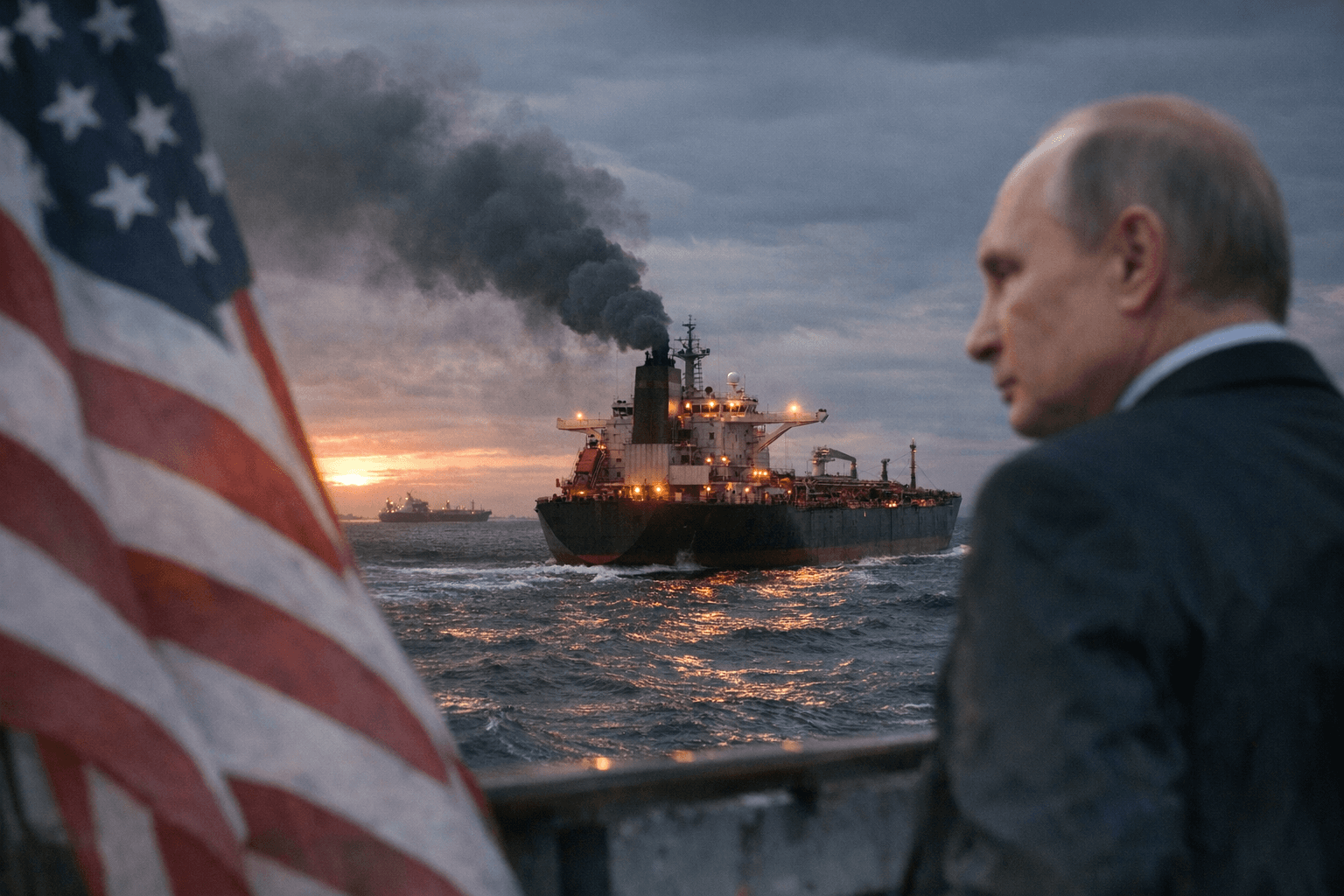
The potential measures raise immediate questions about enforcement and global spillover effects. Oil markets could react to even the prospect of tougher access restrictions, and third country firms that insure ships, finance cargoes, or provide crewing and maintenance could face hard choices about exposure to penalties. Shadow fleet operators have adapted before by reflagging vessels, changing ownership structures, and using ship to ship transfers at sea. Any new sanctions would therefore test the ability of Washington and its partners to track, interdict, and sanction adaptive commercial networks that operate across jurisdictional lines.
Legal and diplomatic consequences will also matter. Countries with large shipping registries or major ports could be drawn into disputes about compliance and information sharing. For developing states dependent on affordable oil, measures that constrict supply routes could produce reverberations that complicate coalition building.
For now the U.S. posture remains conditional and strategic. Officials have signaled that the sanctions are being held as a lever tied to the outcome of negotiations rather than as an immediate punitive step. That balance reflects the twin aims of pressing Moscow economically while leaving room for a negotiated settlement should Russian leadership accept the framework on offer.
Sources:
Know something we missed? Have a correction or additional information?
Submit a Tip

