U.S. Seizes Venezuelan Tanker, Court Papers Show Warrant Near Expiry
U.S. authorities seized the very large crude carrier M/T Skipper on Dec. 10 while it was on the high seas after departing Venezuela, court documents unsealed this week reveal. The operation, carried out on the final day a magistrate signed seizure warrant remained valid, raises legal questions and could intensify sanctions enforcement, shipping risk premiums and geopolitical tensions in the region.
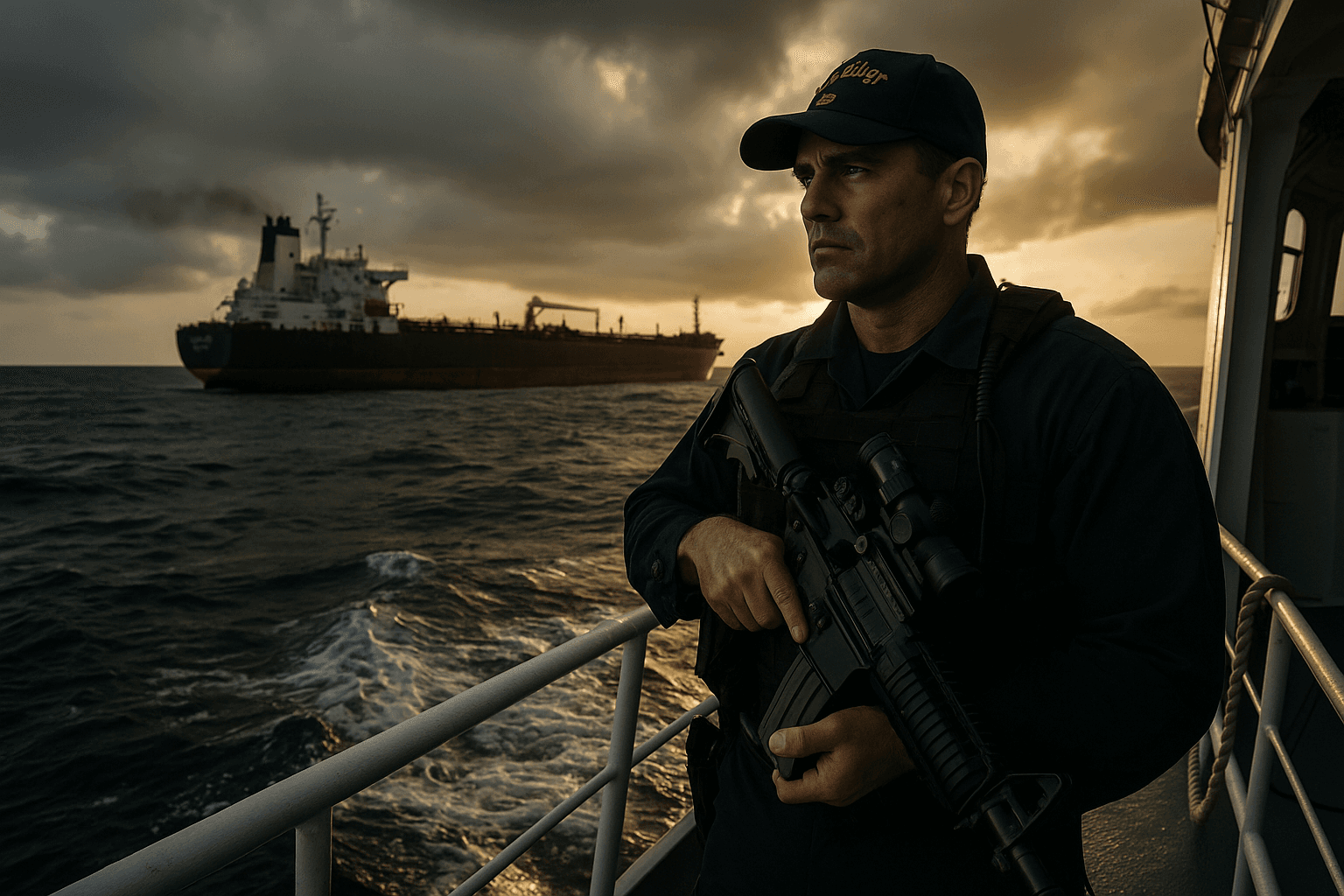
U.S. Coast Guard forces boarded and seized the very large crude carrier M/T Skipper on Dec. 10, taking control of a vessel loaded with Venezuela’s Merey heavy crude, according to court papers and contemporaneous reporting. The seizure occurred on the high seas after the tanker departed Venezuelan waters, at a location reported in some accounts as roughly 70 miles off the coast.
A warrant authorizing the seizure was signed on Nov. 26 by U.S. Magistrate Judge Zia Faruqui of the U.S. District Court for the District of Columbia and explicitly expired on Dec. 10. Documents unsealed on Friday after the operation include a roughly 32 page filing with more than half of its contents redacted. The unredacted passages confirm the vessel name, the cargo type, an approximate cargo volume of 1.8 million barrels and the agencies involved in the operation.
Video circulated by U.S. officials and contemporaneous reporting described special forces and Coast Guard units rappelling from a helicopter to board the tanker. The Department of Justice posted a version of the unsealed warrant and related materials and referenced FBI participation in the case. Press materials named FBI Director Patel and indicated the FBI’s Counterintelligence Division and partners will continue to enforce U.S. sanctions.
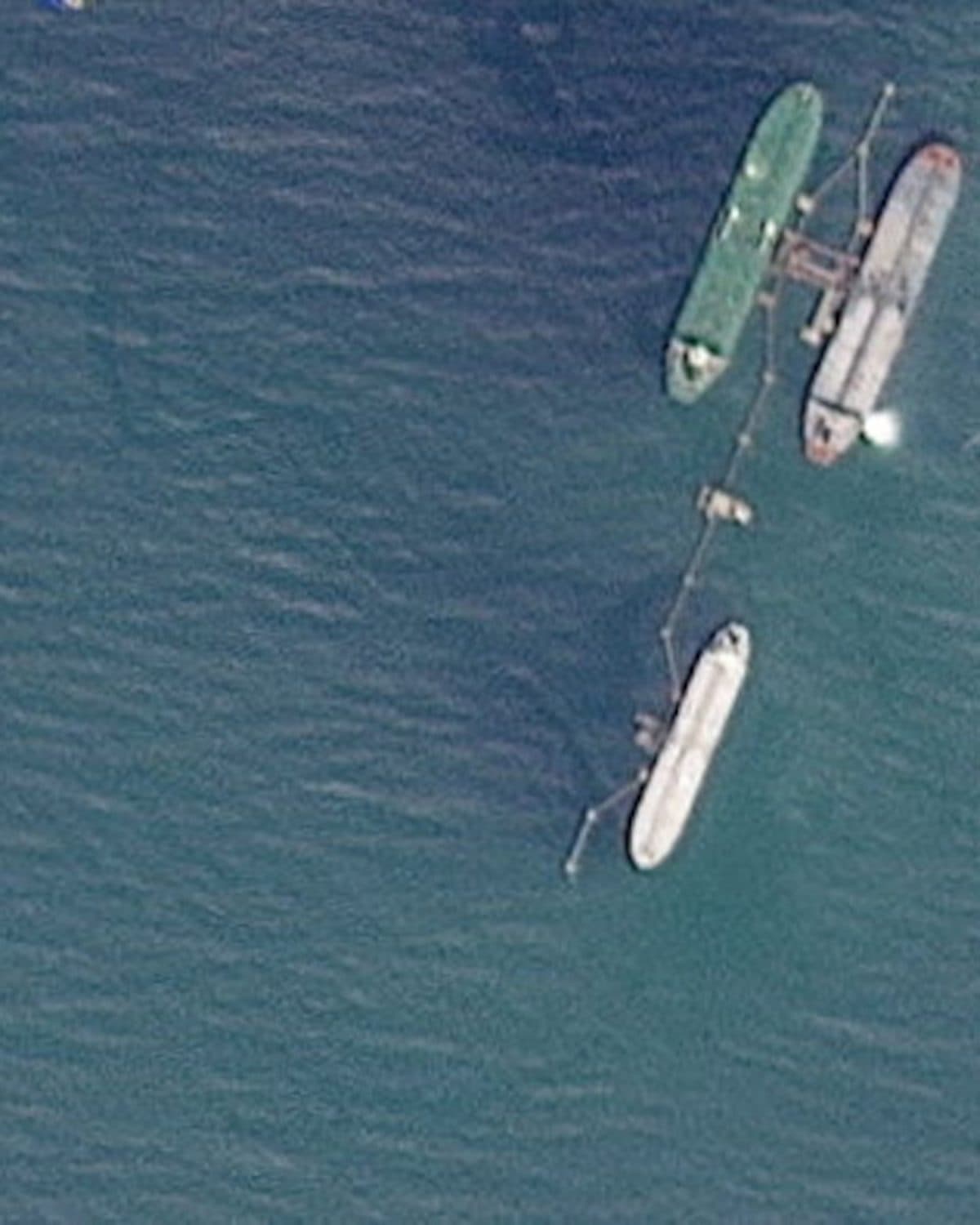
The Skipper had been visible in satellite imagery earlier in November. A Planet Labs image dated Nov. 14 showed the Skipper alongside other vessels off Port José, Venezuela. Media analysis has reported the ship engaged in electronic location spoofing to conceal movements, and public reporting notes the vessel previously carried oil from both Iran and Venezuela.
U.S. officials framed the action as part of sanctions enforcement and illicit asset interdiction aimed at imposing costs on the Maduro government and associated partners. Homeland Security Secretary Kristi Noem was cited as saying the raid targeted Venezuelan President Nicolás Maduro’s "regime." Venezuelan President Nicolás Maduro denounced the seizure as "piracy," and Venezuelan authorities accused the United States of motives that include regime change.
Market reaction to the seizure was muted in price terms because the cargo represents a small share of global oil flows, but analysts warn the action may raise insurance and logistical costs for vessels moving sanctioned crude, increase scrutiny of ship tracking integrity, and encourage further evasive practices at sea. Some commercial nuance is already visible, as reports note U.S. oil major Chevron has a special license with Venezuela’s state oil company PDVSA, and that Chevron exported two Venezuelan cargoes in the month of the seizure with data showing two more cargoes being prepared.
Legally, the timing of the operation on the final day of the warrant and the heavy redactions in the court filing are likely to become focal points in litigation and diplomatic debate. More broadly the episode underscores long term trends in maritime enforcement, the growing sophistication of ship tracking evasion, and the willingness of the United States to project interdiction capabilities beyond territorial waters in pursuit of sanctions objectives.
Know something we missed? Have a correction or additional information?
Submit a Tip