Killing of Senior Hamas Commander, Negotiator Warns, Threatens Ceasefire
Israeli forces killed a senior Hamas commander in a targeted strike on Saturday, escalating tensions and prompting warnings that the fragile ceasefire could unravel. Hamas negotiator Khalil al Hayya said the attack amounted to violations of the ceasefire and urged mediators to press Israel to comply, raising the prospect of renewed hostilities and political fallout.
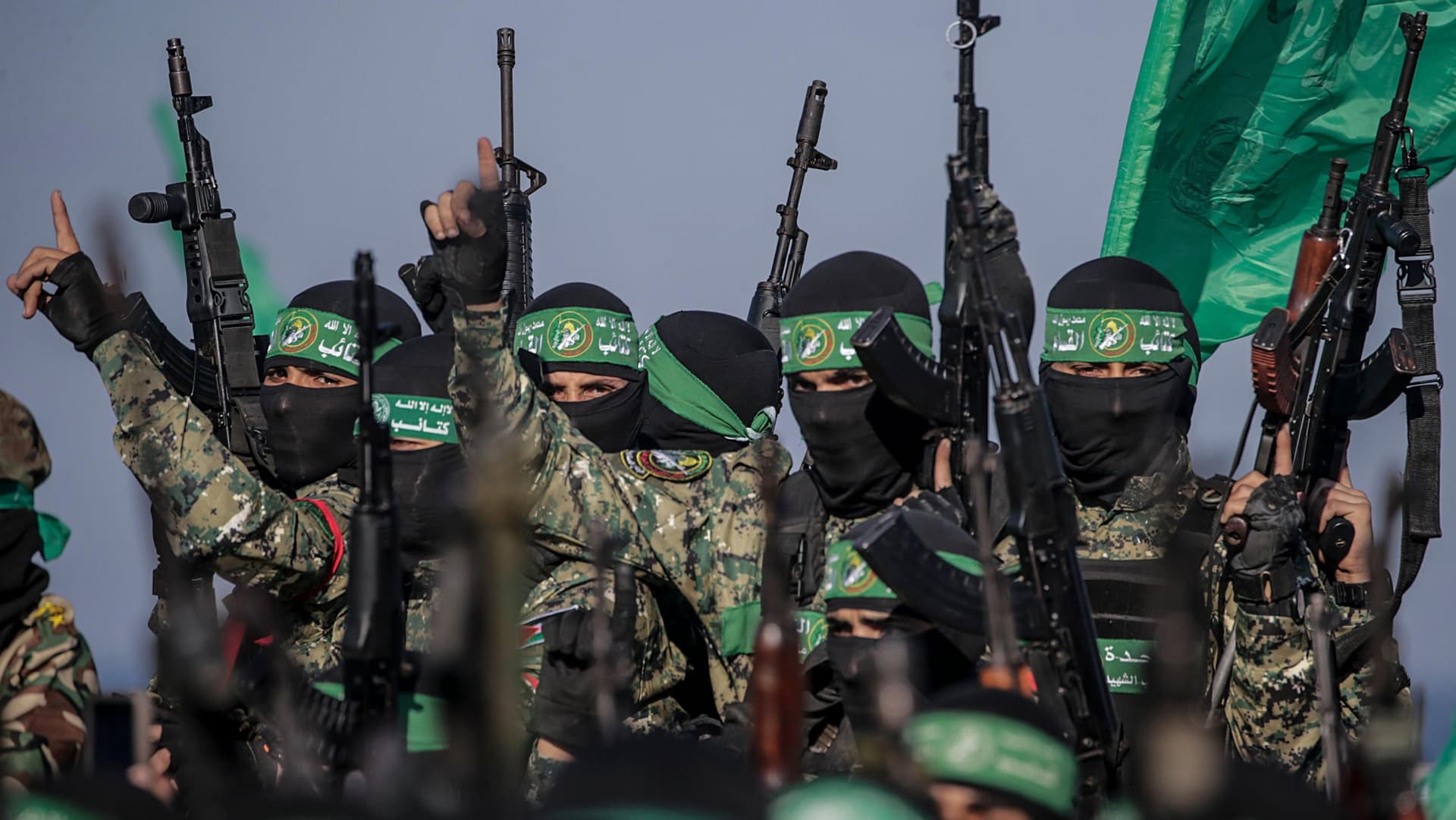
Israeli forces carried out a strike on Saturday, December 14, that killed a senior commander of Hamas’s armed wing and touched off immediate warnings that the U.S. backed ceasefire reached in October may be in jeopardy. Regional and Israeli officials identified the slain man as Raed Saed, also rendered in some accounts as Raed Saad or Raad Saad, and described him as a senior figure in the Izz al Din al Qassam Brigades who continued to oversee weapons activity after the truce.
Israeli officials said Prime Minister Benjamin Netanyahu and Defense Minister Israel Katz personally directed Saed’s "elimination." They portrayed the operation as a targeted response to an earlier incident in which an explosive device wounded Israel Defense Forces personnel in Gaza and as an action against a figure the government blames for planning the October 7 attacks and for supervising weapons production. Some accounts said the strike hit a car in Gaza City and killed five people in the attack, including Saed.
Hamas’s chief negotiator Khalil al Hayya confirmed Saed’s death in remarks televised after the strike, and he framed the killing as a breach of the truce. He said the operation amounted to "violations to the ceasefire agreement" and that the "latest assassinations" "threaten the viability of the agreement." Al Hayya called on mediators, including the United States, to demand that Israel respect the ceasefire, and Hamas later condemned the strike as a "criminal breach of the ceasefire agreement."
The strike represents the most high profile assassination of a senior Hamas leader since the October ceasefire, and it undercuts a period of relative reduction in large scale fighting. Gaza officials quoted by local sources said the death toll in the enclave since the start of the ceasefire has passed 390, underscoring persistent violence and civilian harm even amid the truce. Israeli authorities framed the operation as part of ongoing pressure on Hamas command structures that have been operating in tunnels under Gaza City and elsewhere.
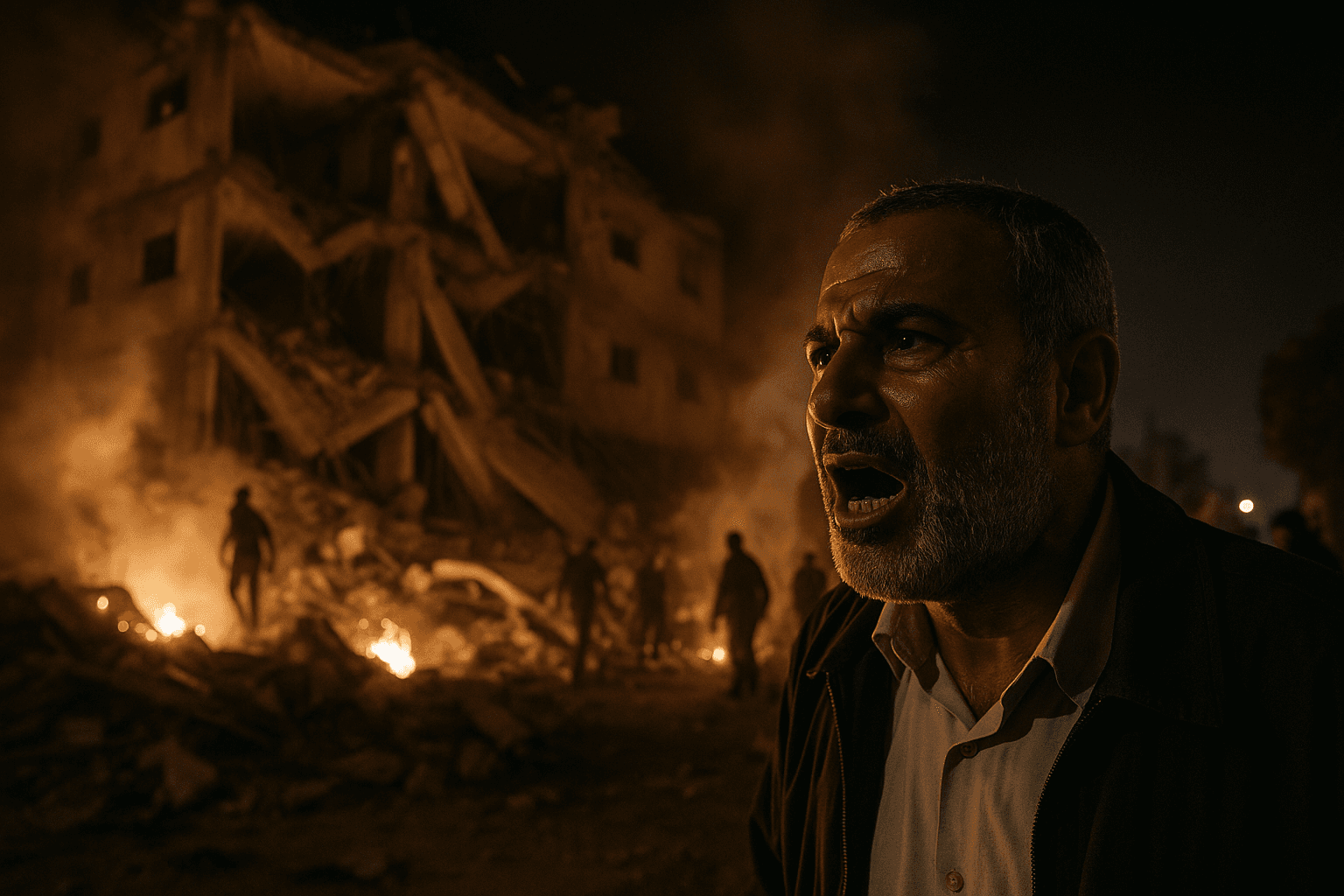
The incident carries immediate political and operational implications. Diplomats working on the U.N authorized International Stabilization Force have said the force’s deployment depends on a durable ceasefire and security conditions on the ground. Al Hayya addressed the ISF in his remarks but provided few details. The killing is likely to complicate negotiations over the force and over wider issues such as prisoner exchanges, reconstruction funding, and the phased easing of movement and aid.
Economic and market implications are also consequential. Renewed violence risks raising the regional risk premium, complicating funding for reconstruction and deterring private investment into Gaza and parts of Israel exposed to the conflict. International donors and lenders will likely condition cash flows on security guarantees and measurable improvements in civilian protection, making the stability of the truce a central variable for reconstruction timelines.
For now the strike has put mediators on notice. If retaliatory attacks follow, the fragile gains of the October agreement could erode quickly, leaving policymakers to weigh whether stronger enforcement mechanisms or a rethink of international stabilization plans are required to prevent a return to large scale confrontation.
Know something we missed? Have a correction or additional information?
Submit a Tip