Flash floods kill at least 37 in Morocco’s historic coastal town Safi
Torrential, fast moving rains unleashed a deadly torrent through Safi’s old city, killing at least 37 people and leaving dozens injured and hundreds displaced. The disaster underscores how intense, concentrated storms are straining Moroccan communities already coping with drought and fragile infrastructure.
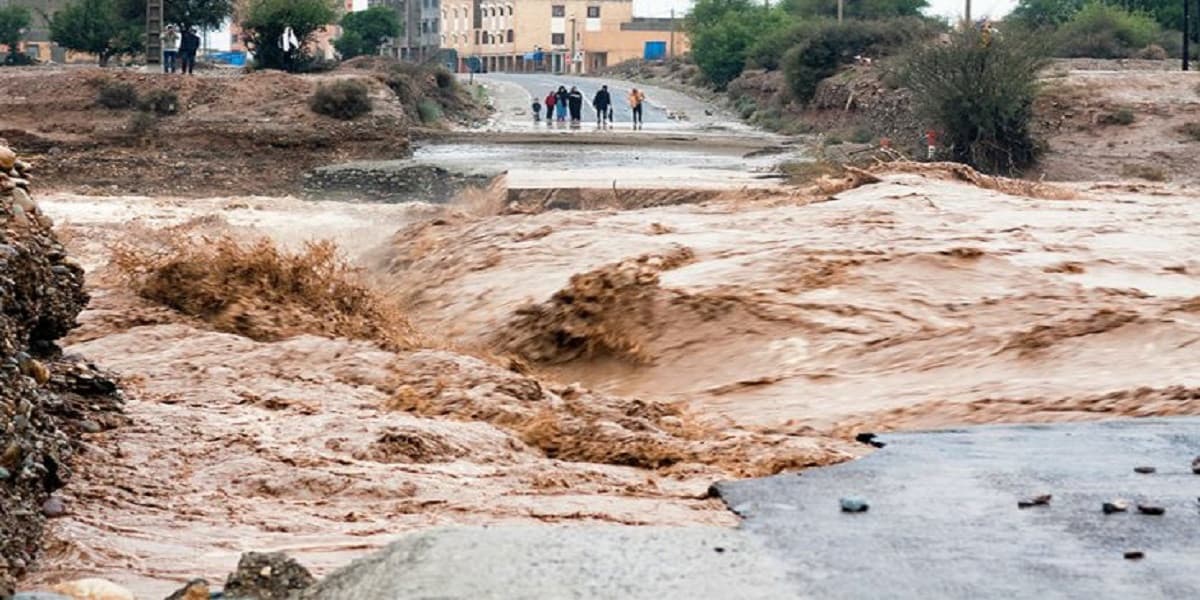
At least 37 people were killed when a sudden burst of torrential rain triggered flash floods that swept through Safi on Sunday, local authorities said. The flooding struck the Atlantic coastal province’s historic old city, particularly the Bab Chabaa district where a river runs through narrow streets, inundating homes and shops and sweeping cars into the port area.
Prime Minister Aziz Akhannouch told parliament that about 37 millimetres of rain fell in a very short period, and officials said roughly one hour of heavy precipitation was enough to produce a devastating torrent. By Monday rescue teams were still searching through mud and rubble, using diggers and manual crews to look for survivors as local hospitals treated those pulled from submerged buildings and streets.
Early casualty reports varied as emergency services responded. Initial local tallies placed the dead in the low 20s with dozens injured, but the most recent official count released on Monday raised the toll to at least 37. Hospital reports differed on injuries, reflecting the chaotic and evolving nature of the response. One account put injuries at 32 with most patients discharged, while the provincial hospital reported seven survivors receiving treatment, two of them in intensive care. Other descriptions said dozens were treated in makeshift triage sites.
The floods damaged at least 70 homes and businesses in Safi’s historic centre. Streets were left littered with broken pottery and smashed tajines, a painful symbol for a city whose terracotta workshops and artisan economy are central to its identity. Shopkeepers described severe stock losses and appealed for government compensation to help rebuild livelihoods. A 55 year old shopkeeper conveyed to officials that the retail economy had been devastated and called for official support.
Residents described profound personal loss as they salvaged possessions from mud soaked rooms. One resident said, “I’ve lost all my clothes. Only my neighbour gave me some to cover myself. I have nothing left. I’ve lost everything.”
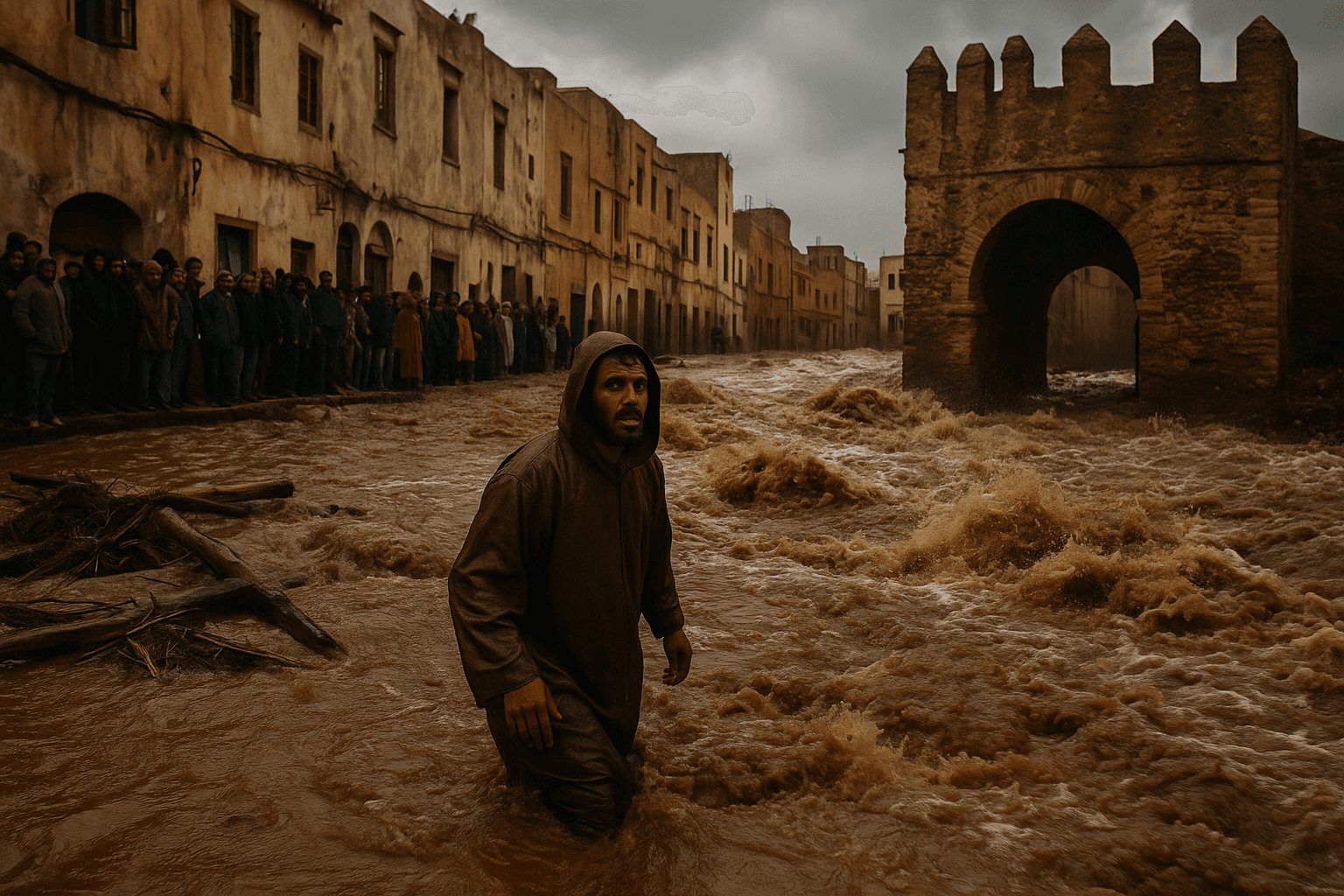
Roads linking the town to surrounding areas were choked with debris, complicating rescue efforts. Provincial road 2300 which connects Safi to Hrara about 20.5 kilometres northeast was reported particularly affected, leaving some neighbourhoods cut off temporarily. Authorities warned that more heavy rain was forecast for Tuesday, raising concerns that recovery and rescue operations could be hampered and that further damage may follow.
The public prosecutor opened an investigation to determine whether any negligence or failures contributed to the scale of the destruction, signaling potential scrutiny of urban planning and drainage systems in the old city. Schools in the province were suspended on Monday and officials indicated closures could last at least three days as emergency services continued to work.
The disaster in Safi illustrates a wider challenge for Morocco, where long standing drought has not eliminated the risk of sudden, concentrated downpours that can produce lethal flash floods. As cleanup began and families assessed losses, local leaders faced pressure to provide immediate relief while also answering longer term questions about infrastructure resilience in historic urban areas.
Know something we missed? Have a correction or additional information?
Submit a Tip