Germany Offers Sanctuary to Two Freed Belarus Opposition Leaders
Germany said it will rapidly provide refuge to Maria Kalesnikava and Viktar Babaryka, two of the highest profile Belarusian opposition figures released after more than five years in prison. The move ties into wider, delicate diplomacy that linked the releases to negotiations with a U.S. envoy and a partial lifting of U.S. sanctions on Belarusian exports.
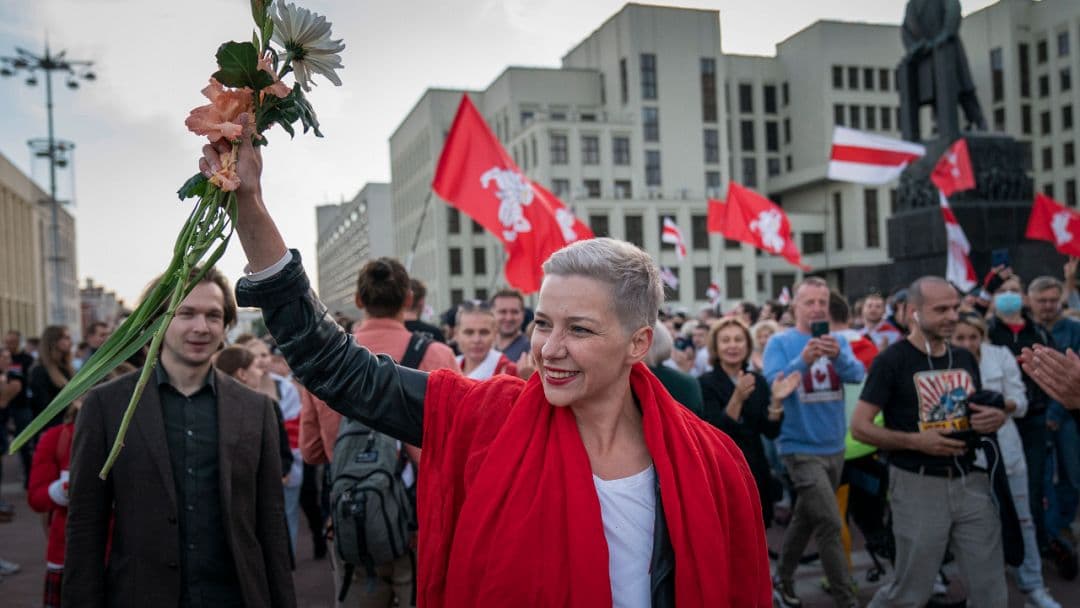
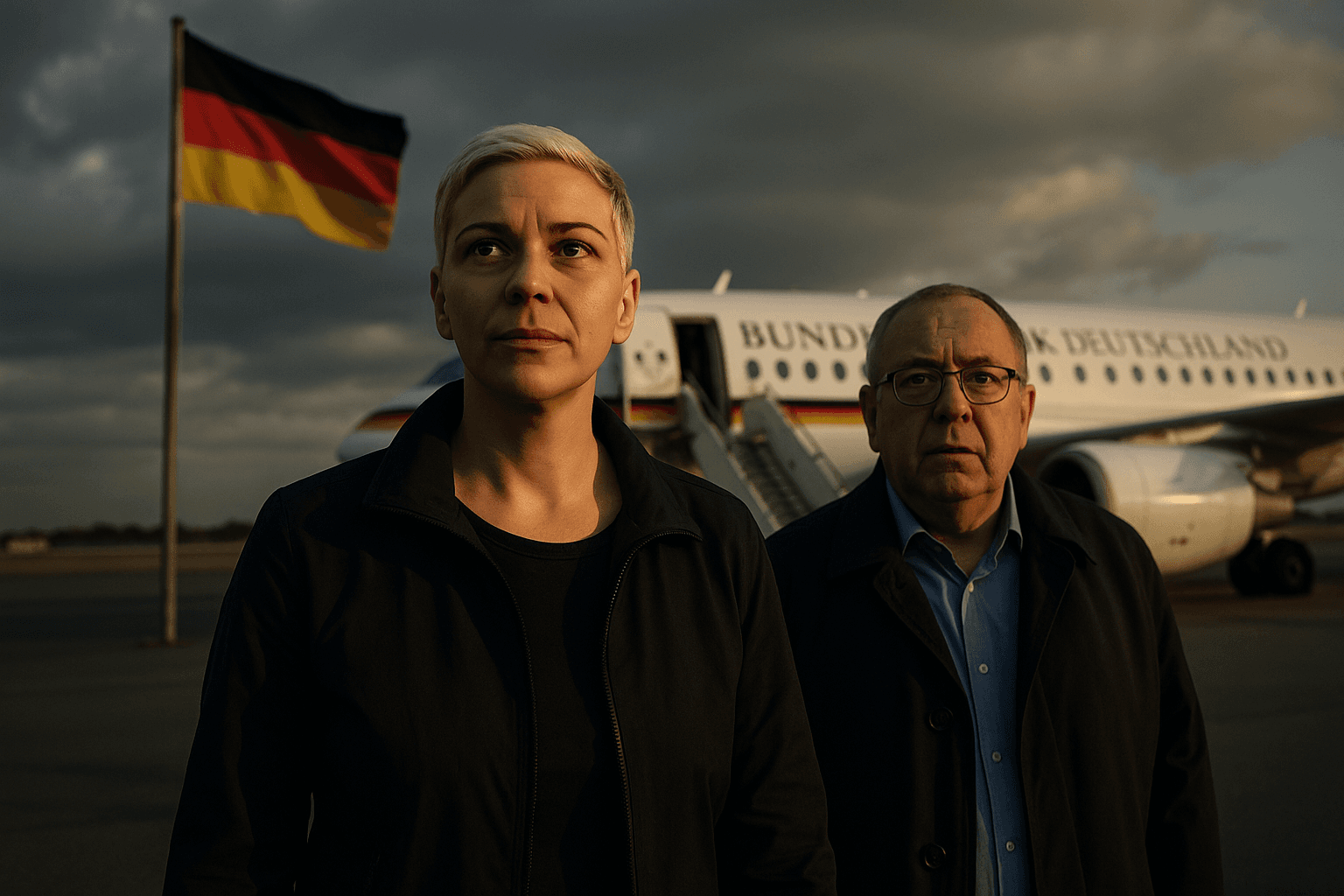
Germany announced on December 15 that it will offer sanctuary to Maria Kalesnikava, also reported as Maria Kolesnikova, and Viktar Babaryka, also reported as Viktor Babaryka, who were freed at the weekend after more than five years behind bars in Belarus. Interior Minister Alexander Dobrindt told the broadcaster ARD that Berlin would act swiftly, saying Germany will "take in two outstanding opposition politicians who were imprisoned" and that the government has a "great interest" in strengthening Belarus's democracy movement in exile.
The two leaders were part of a group of 123 political detainees released by President Alexander Lukashenko following talks with a U.S. envoy, a diplomatic episode that was reportedly accompanied by a partial easing of U.S. sanctions on Belarusian exports. Most of the released detainees were relocated to Ukraine or Lithuania, while others named among the freed included Nobel Peace Prize laureate Ales Bialiatski and opposition lawyer Maksim Znak.
Kalesnikava emerged as an emblematic figure of the 2020 protests against Lukashenko after she refused forced expulsion and tore up her passport at the border. A former professional musician who spent more than a decade living in Germany before returning to Belarus, she was sentenced in 2021 to 11 years in prison on charges reported as conspiracy to seize power and extremist activity. Babaryka is recognized across reporting as a leading opposition figure who had been imprisoned for many years, though the consolidated briefings do not restate his formal sentence or specific charges.
Berlin framed the decision as both a humanitarian response and a political statement aimed at supporting Belarusian democratic forces forced into exile. Granting asylum to two of the most prominent leaders returned the spotlight to questions over how democratic governments balance pressure and engagement with regimes that detain political opponents. Analysts said the German action underscored the humanitarian dimension of European policy toward Belarus and could influence how other European Union member states coordinate relocation and advocacy for activists.
The releases and Germany's offer also illuminate the growing use of sanctions and conditional diplomacy by Western capitals. The episode raises complex legal and ethical questions about the trade offs between securing the freedom of political prisoners and the risk of appearing to reward repressive regimes with relief from economic measures. Governments in Europe and beyond will now face practical decisions about residency status, protection, and the integration of senior opposition figures into exile communities that are already dispersed across the region.
Logistical details remain sparse. Dobrindt said the government would act quickly to provide sanctuary, but did not specify arrival dates, visa pathways, or settlement arrangements. Transliteration differences in names, Kalesnikava or Kolesnikova and Viktar or Viktor for Babaryka, reflect broader linguistic and cultural considerations in reporting Belarusian affairs to international audiences. What is clear is that the releases have reopened diplomatic channels and renewed international attention on the future of Belarusian opposition politics from abroad.
Know something we missed? Have a correction or additional information?
Submit a Tip