EU to Expand Belarus Sanctions, Targeting Hybrid Attacks and Disinformation
The European Union has agreed to broaden its Belarus sanctions regime to cover hybrid activity, disruption of critical infrastructure, and information manipulation, a move driven by a series of cross border incidents that alarmed Lithuania. The decision tightens legal tools to hit individuals, entities and sectors involved in destabilizing operations, with implications for regional security, trade compliance and long term ties between Belarus and the West.

Lithuanian Foreign Minister Kestutis Budrys told EU partners and reporters in Brussels on December 15 that the European Union was expected to agree to broaden sanctions on Belarus to address so called hybrid activity directed at the bloc. Following the discussions, the Lithuanian Foreign Ministry announced that EU foreign ministers approved Lithuania's proposal to expand the Belarus sanctions regime, saying the change will permit additional individual and sectoral measures against perpetrators.
The expansion adds three specific categories to the existing framework, giving the EU an explicit legal basis to sanction actors involved in hybrid attacks, disruption of critical infrastructure and disinformation and information manipulation. These measures are designed to target both the orchestration and facilitation of operations that seek to destabilize member states or coerce political responses.
Lithuania pushed the change after a sequence of cross border incidents this year. Authorities in Vilnius accused Belarus of launching multiple balloon flights that violated Lithuanian airspace, carried contraband and at times disrupted civil aviation, including temporary airport closures. The incidents prompted Lithuania to declare a state of emergency last week and to seek parliamentary authorisation to permit military support for police and border guards. Budrys framed the sanctions expansion as a defensive necessity, saying the EU should broaden its regime “if those hybrid activities continue against us,” and stressing the need for political unity, saying “Only when we are united, do dictators retreat.”
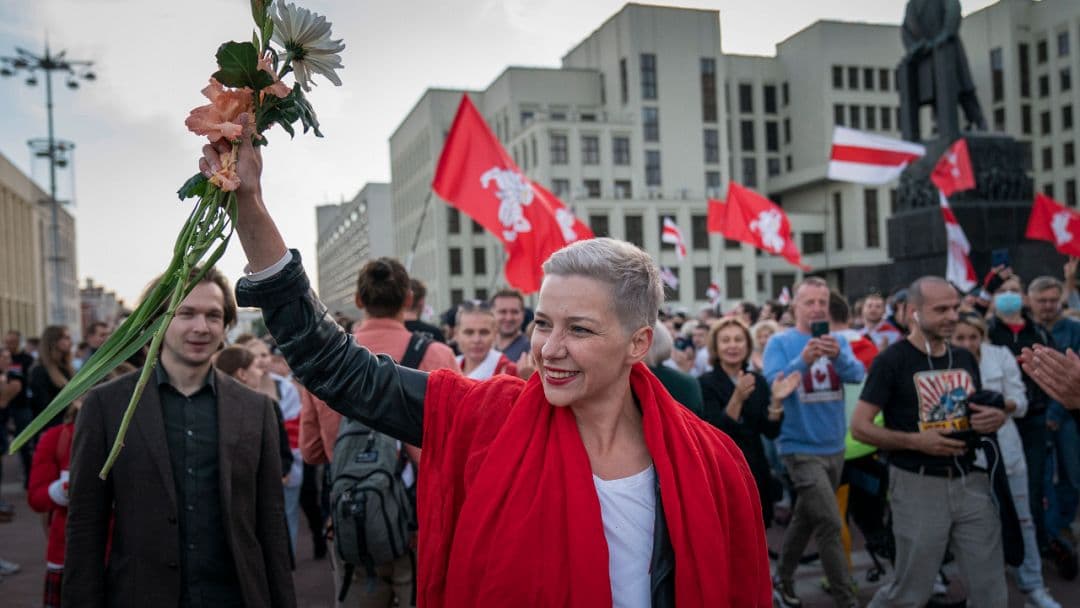
The decision comes against a complex diplomatic backdrop. On December 1 European Commission President Ursula von der Leyen signalled that the EU could impose new punitive measures over violations of Lithuanian airspace. Separately, a U.S. special envoy reportedly met Belarusian leader Alexander Lukashenko on December 14 and secured a pledge to halt balloon flights. At the same time Washington has recently adjusted some sanctions on Belarus and Minsk subsequently released 123 prisoners, including opposition activist Maria Kolesnikova, a sequence that has fed debate in Europe over engagement versus pressure.
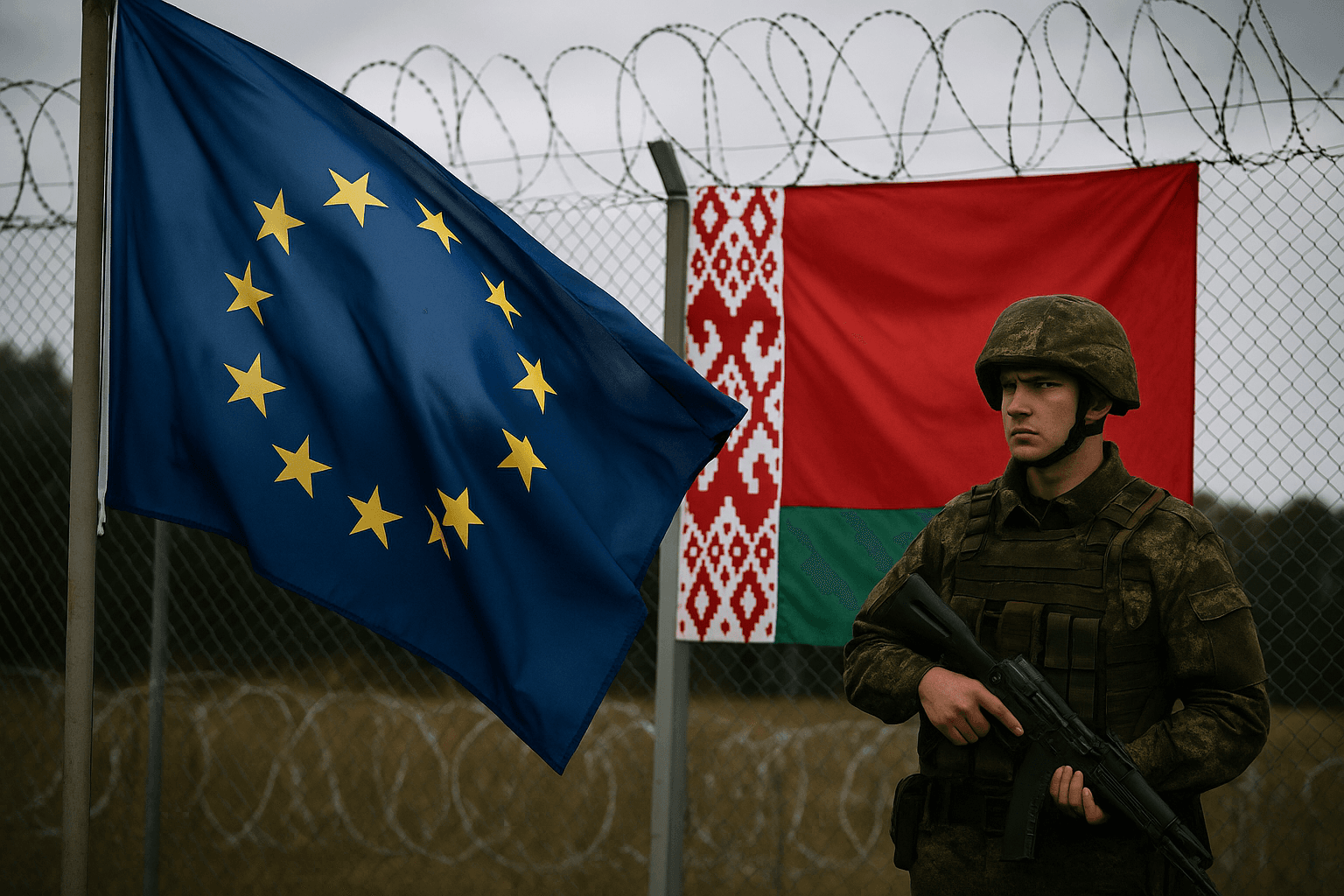
NATO is reported to be dispatching members of a counter hybrid support team to Lithuania this week to assist with resilience and response capabilities, and Vilnius is planning to expand military training areas in response to the heightened threat environment. The EU move therefore combines punitive measures with capacity building among allies on the front line.
Economically the broadened regime raises compliance and operational risk for firms dealing with Belarus linked entities. Sectoral measures could disrupt trade flows, complicate logistics and increase due diligence costs for companies operating in eastern Europe. For Minsk the new legal tools narrow avenues for sanctions relief through ad hoc engagement while likely deepening economic dependence on Russia.
The expansion also fits a longer pattern of pressure tactics traced back to 2021, from the migrant crisis at EU borders to the forced diversion of a passenger plane that year. Brussels now faces a test in operationalising the new designations, balancing collective deterrence and the diplomatic openings that have produced some prisoner releases. Implementation will require listing of specific individuals and organisations, and member states will monitor whether the legal steps reduce the frequency and scale of hybrid incidents along the eastern flank.
Know something we missed? Have a correction or additional information?
Submit a Tip