U.S. Soldiers and Interpreter Killed in Ambush Near Palmyra, Syria
Two U.S. service members and an American civilian interpreter were killed in an ambush near Palmyra on December 13, U.S. Central Command and Pentagon officials said. The attack, which wounded three other American service members and was described by officials as likely carried out by an Islamic State gunman, raises fresh questions about U.S. force posture and the risks of partnering in central Syria.
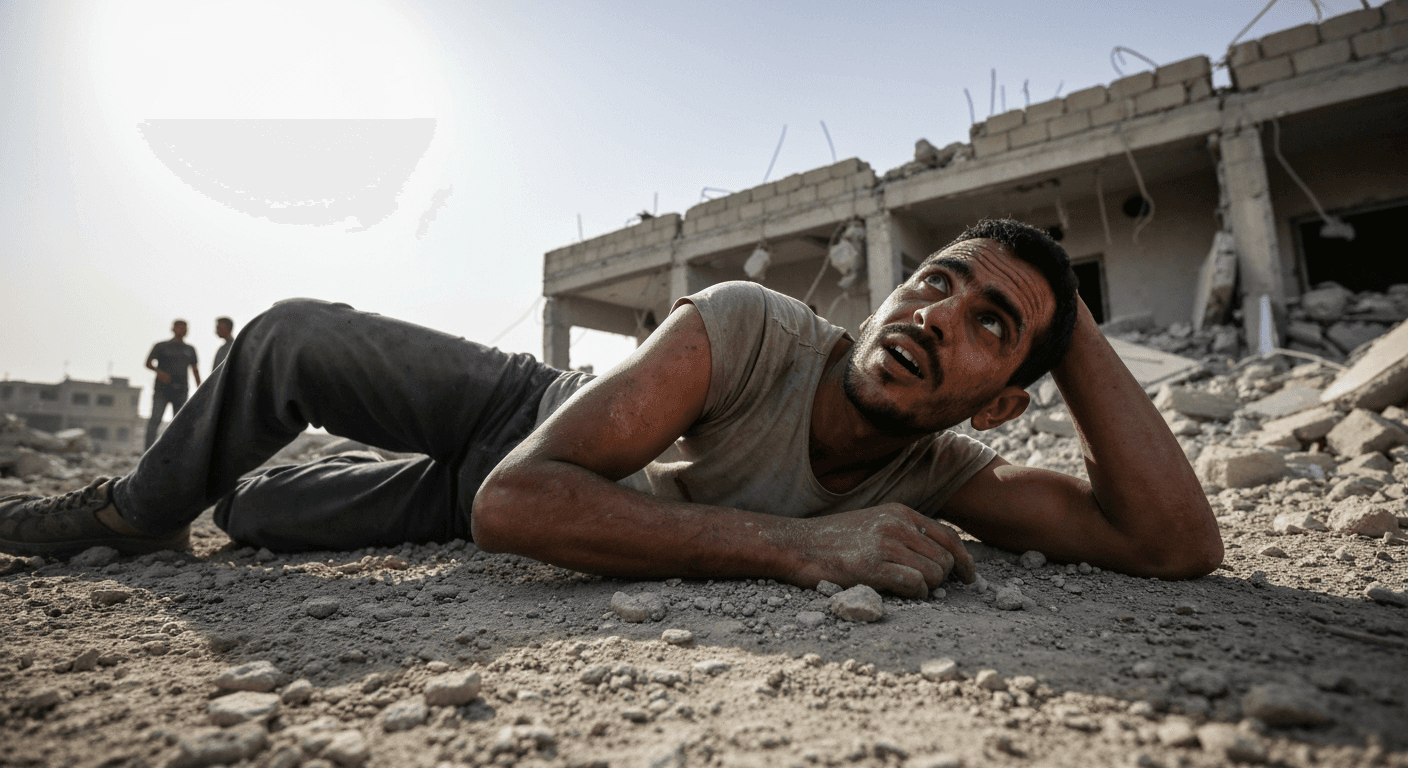
Two U.S. service members and one American civilian interpreter were killed on December 13 in an ambush near Palmyra, also known as Tadmur, U.S. Central Command and Pentagon officials said, marking the first reported U.S. combat deaths in Syria since a 2019 suicide bombing in Manbij. Three other U.S. service members were injured in the skirmish, Pentagon spokesman Sean Parnell said, and Syrian state media reported two Syrian service personnel were wounded.
Pentagon social posts and official statements said the Americans were conducting a key leader engagement when they were attacked. Multiple U.S. officials and media described the assailant as a likely Islamic State gunman. Defense Secretary Pete Hegseth said the attacker was killed by partner forces during the engagement. No group has publicly claimed responsibility and U.S. authorities have not released the attacker’s identity. The names of the American dead have been withheld pending notification of next of kin, officials said, and the incident is under investigation.
The ambush underscores enduring vulnerabilities in the U.S. mission in Syria, which since 2019 has focused on advising and assisting partner forces to prevent a revival of Islamic State control. The Syrian Observatory for Human Rights offered a conflicting account, stating the attacker was a member of the Syrian security force, a claim not corroborated by U.S. officials. That discrepancy highlights long standing intelligence and trust challenges when U.S. personnel operate alongside a patchwork of local military and militia actors in a fractured battlefield.
The incident carries immediate policy and political ramifications in Washington. President Trump posted on social media calling the incident "an ISIS attack" and warning there would be "a very serious retaliation." Those comments raise the prospect of a forceful U.S. response, and will intensify scrutiny of rules of engagement, force protection measures, and the broader strategy that keeps U.S. troops in Syria. Lawmakers and Pentagon leaders will face renewed pressure to justify the mission and to clarify what resources and authorities the military needs to protect personnel while pursuing counterterrorism objectives.
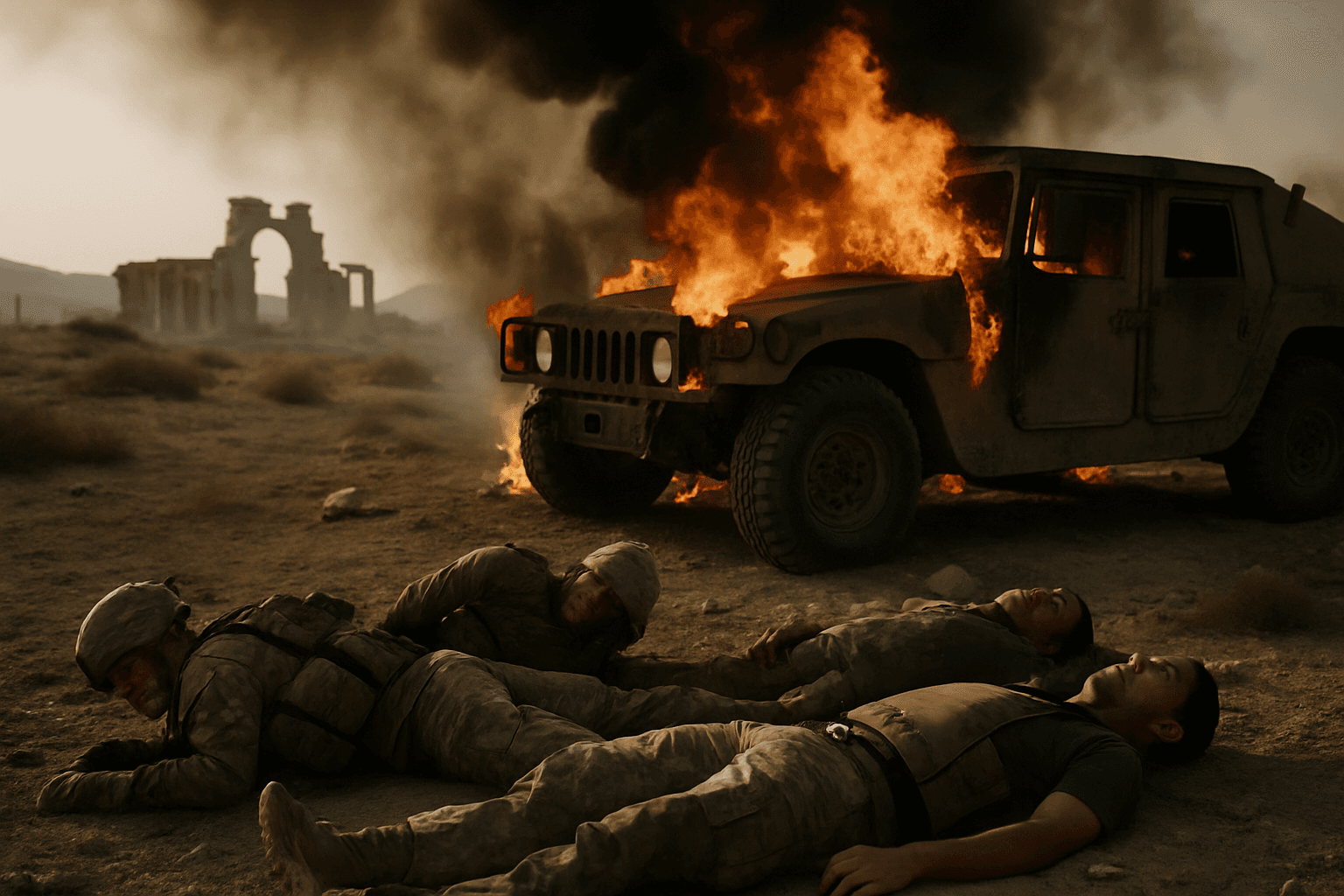
Economically the episode adds a near term risk premium to perceptions of regional stability. Energy markets are sensitive to heightened tensions in the Middle East, and any sustained escalation could increase volatility in oil markets already shaped by global supply and demand dynamics. Defense industry firms and contractors involved in regional operations may see immediate market attention, while longer term budgetary consequences could influence U.S. defense spending priorities.
Investigators will review surveillance, communications and partner force actions to determine how the ambush unfolded and whether protocols were breached. For now the Pentagon and Central Command have limited public detail, and commanders must balance mission objectives against force protection in a theater where the threat from Islamic State remnants remains persistent and lethal.
Know something we missed? Have a correction or additional information?
Submit a Tip

