U.S. to pause immigrant visa processing from 75 countries
The State Department will pause immigrant visa interviews for nationals of 75 countries starting Jan. 21 to reassess vetting, fraud prevention and public‑charge standards.
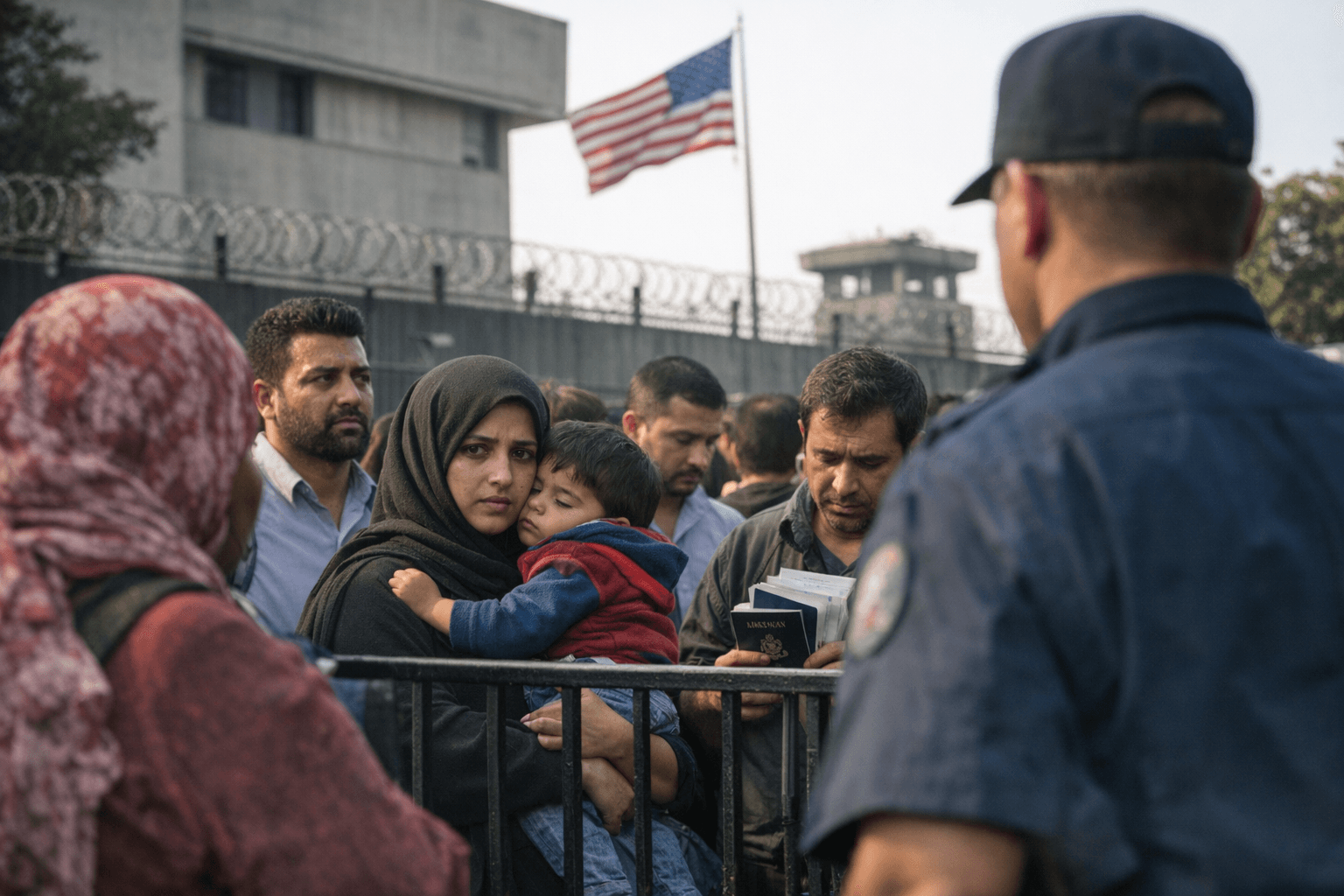
The State Department has directed its embassies and consular posts to suspend adjudication and scheduling of immigrant visa interviews for nationals of 75 countries beginning Jan. 21, 2026, while it reassesses fraud‑prevention, national‑security vetting and public‑charge review procedures. An internal directive circulated to consular officers instructs posts to halt processing of permanent‑resident applications until the department finalizes new protocols.
The pause applies to immigrant visas only; nonimmigrant categories such as tourist, business and student visas are not part of this directive, though a separate Presidential Proclamation that took effect Jan. 1 imposed full or partial restrictions on nonimmigrant visa issuance for some countries. The department said the Jan. 21 suspension is broader in scope than that proclamation and will affect a larger set of countries until the new consular procedures are adopted.
Principal Deputy Spokesperson Tommy Pigott framed the action as a measure to tighten screening and restrict access to public benefits, saying: “The Trump administration is bringing an end to the abuse of America’s immigration system by those who would extract wealth from the American people,” and “Immigrant visa processing from these 75 countries will be paused while the State Department reassesses immigration processing procedures to prevent the entry of foreign nationals who would take welfare and public benefits.” The department also acknowledged that specifics on duration, the final consolidated list of affected countries and the precise new vetting standards have not been released.
Documents accompanying the directive identify countries across Latin America, the Balkans, South Asia, Africa, the Middle East and the Caribbean. The broader list complements earlier measures that, as of Jan. 1, fully suspended visa issuance for 19 countries and partially suspended immigrant visas for another 19 under Presidential Proclamation 10998. Travel‑related guidance published by the department details those earlier suspensions and stresses that different posts may face varying constraints under the new pause.
The immediate operational consequences are concrete and logistical. Consular posts will stop scheduling interviews and close adjudicative lanes for impacted nationalities, creating a fresh backlog for immigrant applications already strained by pandemic era disruptions and staffing shortfalls. For applicants and sponsoring employers, the pause injects new uncertainty into family reunifications and employment‑based migration that stages hiring plans and long‑term workforce composition.
Economically, the suspension could ripple across sectors dependent on immigrant labor and skills. Employers who rely on family‑based immigration for caregiving and service roles or on employer‑sponsored permanent residency for skilled workers will face delays that could increase hiring costs, slow onboarding and shift labor supply decisions. Countries that receive remittances from migrants bound for the United States may see flow disruptions if adjustments last.
The action also raises legal and diplomatic questions. With the department still withholding a single authoritative public list of the 75 nationalities and without clear criteria for the new vetting regime, immigration lawyers and affected governments are likely to push for clarification or challenge the scope of administrative discretion. The pause fits within a longer policy trajectory emphasizing tougher public‑charge interpretations and expanded vetting that has political as well as administrative drivers.
For now, consulates will implement the directive beginning Jan. 21, and affected applicants are left waiting for the State Department to publish the detailed protocols that will determine when processing resumes and which standards will govern future adjudications.
Sources:
Know something we missed? Have a correction or additional information?
Submit a Tip