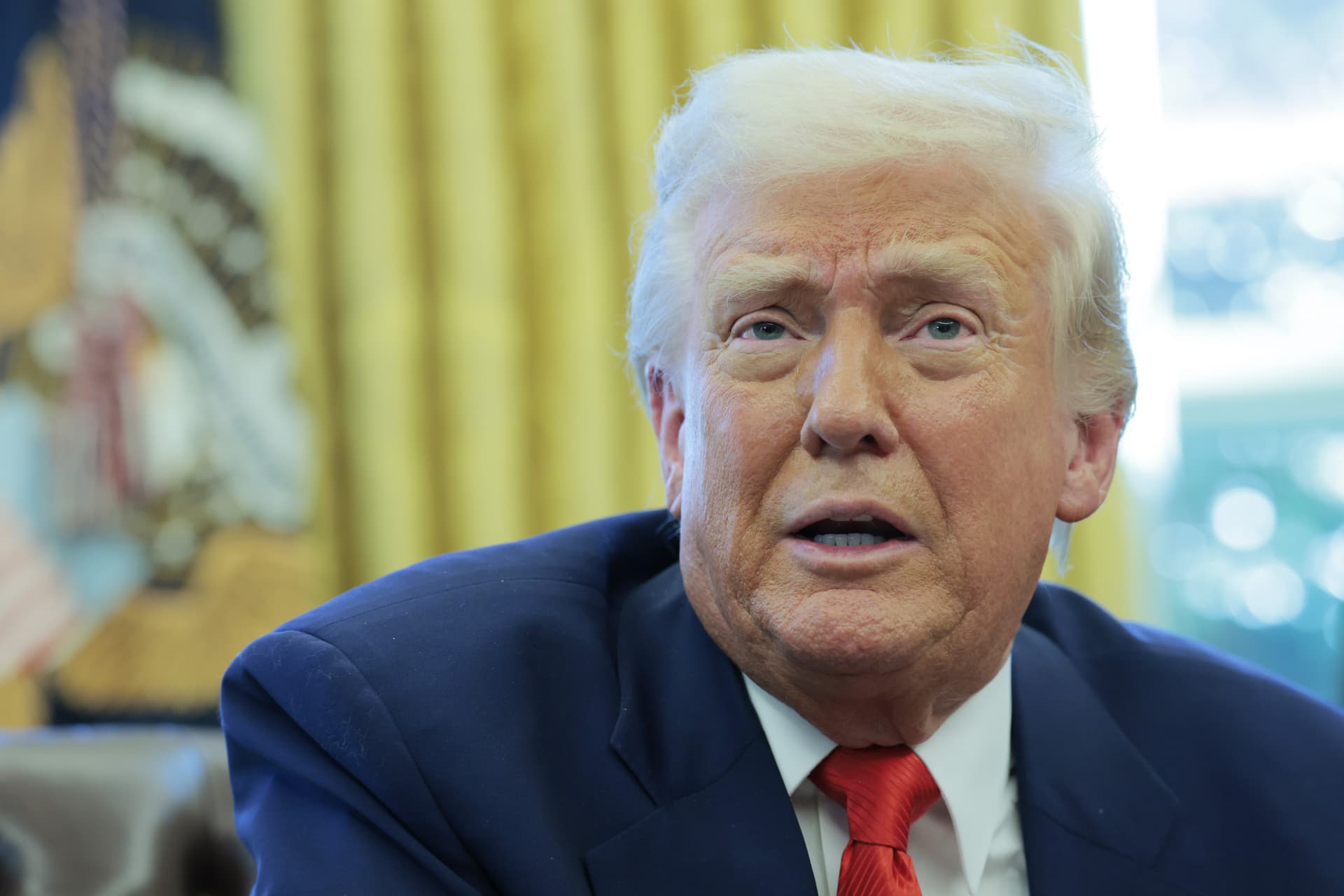
U.S. travel industry warns social media rule for visa waiver visitors could chill tourism
The Department of Homeland Security has proposed requiring visa waiver travelers to disclose social media accounts and extensive contact histories, a change industry leaders say could deter millions of visitors and deepen a fragile tourism recovery. The rule raises civil liberties and equity concerns, while officials frame it as a public safety measure intended to strengthen screening.
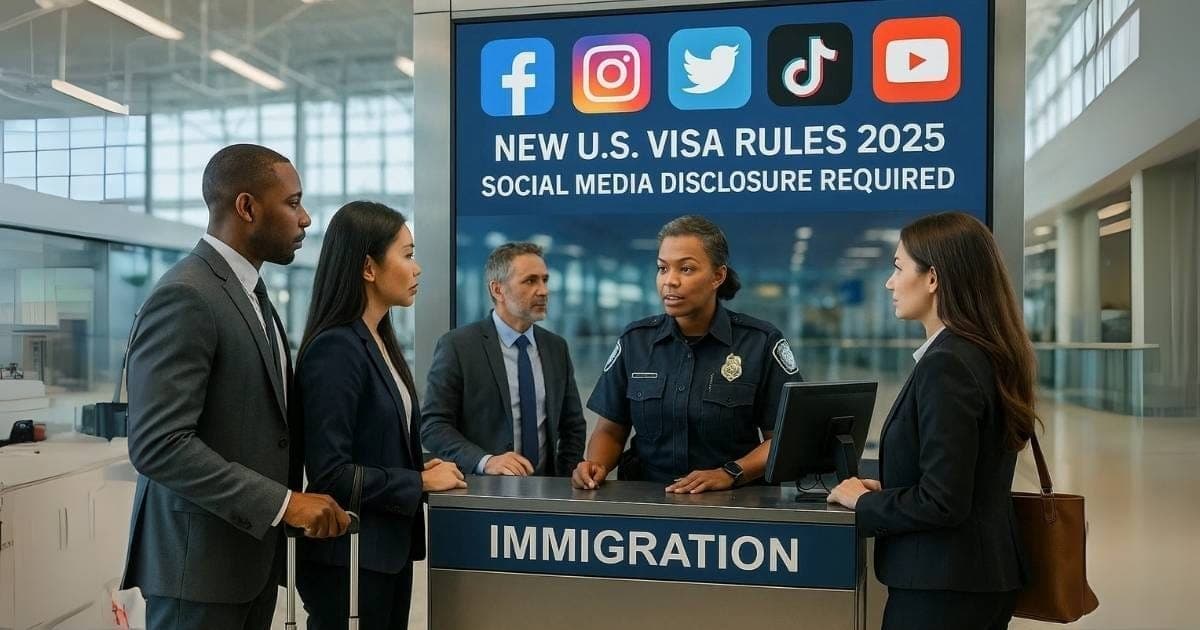
U.S. Customs and Border Protection has proposed a major expansion of digital and identity screening for travelers entering under the visa waiver program, asking applicants to provide social media handles used in the past five years along with telephone numbers used in the past five years, email addresses used in the past 10 years, and identifying information for immediate family members. The Federal Register notice published this week describes additional biometric screening and new digital reporting requirements, and mentions possible image based identity checks such as selfies.
The rule would apply to visitors from 42 countries, mostly in Europe, and explicitly includes close allies such as Britain, France, Israel and Italy. Agency estimates describe the change as affecting millions of travelers, and officials said the Department is constantly looking at how we vet those coming into the country. The Federal Register notice initiates formal rulemaking and says the change is expected to take effect on February 8, pending the completion of administrative steps and any public comment or legal challenges.
The travel and tourism industry reacted sharply, warning the proposal could have a chilling effect on tourism. A trade group representing U.S. travel and tourism said the additional requirements risk deterring visitors, complicating short trips and lengthening processing times for the Electronic System for Travel Authorization. The industry supports nearly 20 million jobs in the United States, and trade representatives say secondary employment effects mean the broader employment footprint is even larger.
Travel agents and tourism stakeholders say the requirement for historical social media and expansive contact data will slow travel planning by adding uncertainty and by extending adjudication times for authorizations that were previously quick for many short visits. Clint Henderson, managing editor of a leading travel trade site, said the administration did not appear to have consulted industry groups before the announcement, a complaint that underscores the concerns of businesses already struggling to restore pre pandemic volumes.
Digital rights groups and immigration attorneys view the move as a broader threat to free expression and privacy. One critic identified in reporting as DeCell called it a massive blow to First Amendment freedoms. Civil liberties advocates warn mandatory disclosure will prompt travelers to self censor online activity or avoid visiting the United States altogether, and that expanded data collection increases risks of privacy breaches and misuse.
Policy experts note precedent for social media screening. Disclosure of social media identifiers has been optional for visa waiver travelers since about 2016, while applicants for immigrant and non immigrant visas have faced similar questions since 2019. The current proposal would broaden that practice to a much larger cohort of short term visitors.
Beyond constitutional and privacy questions, community leaders and health equity advocates caution that declines in tourism can ripple through local economies in destinations that rely on visitor spending to support public services and health infrastructure. Slower tourism could disproportionately affect service workers and small businesses in communities that lack diversified economic bases.
With the Federal Register notice now posted, stakeholders expect a period of public comment and likely legal challenges. The final scope and timing of the rule will depend on the agency response to those comments, litigation outcomes, and any administrative revisions as the proposal moves through the rulemaking process.
Know something we missed? Have a correction or additional information?
Submit a Tip