Varta’s DroneHunter Raises Safety Concerns for FPV Race Organizers
Varta unveiled DroneHunter Varta at CES 2026, a short-range kinetic counter-drone aimed at infantry. It matters because similar hardware can directly affect FPV events and safety planning.

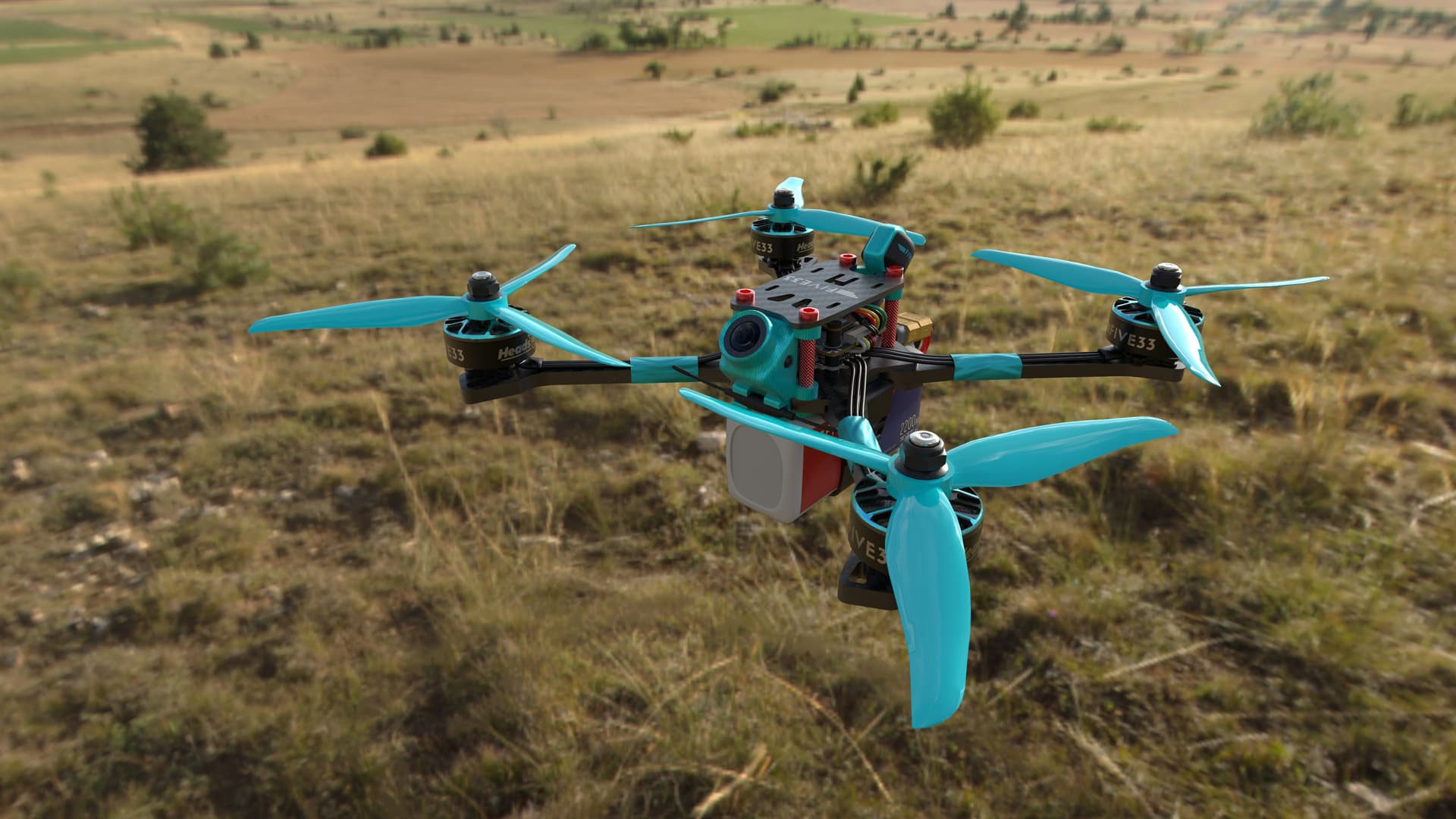
Varta unveiled a new counter-drone platform at CES 2026 that targets small, fast FPV systems with a kinetic interception approach designed for short-range engagements. The system emphasizes modular mounting and physical stability during interception, and its current engagement envelope is roughly 35 to 50 meters. The company presented the product for military and defense use, but the design choices make the system immediately relevant to race promoters, airshow coordinators, and community pilots.
“Varta has introduced DroneHunter Varta, a counter‑drone system built to help infantry units counter enemy FPV drones.”
The technical profile is notable for hobbyists: rather than relying solely on jamming or GPS spoofing, DroneHunter Varta is built to physically intercept small platforms in contested electromagnetic environments. That focus on kinetic intercepts and stability speaks to a recognition that modern FPV quads are fast, maneuverable, and often flown where radio environments are noisy. The modular mounting suggests the hardware can be adapted to different vehicle or fixture types, which has implications for where and how such devices might be deployed around events.
For event organizers, the immediate practical value is in risk assessment and contingency planning. A counter-drone capable of engaging targets at 35 to 50 meters changes how you think about spectator safety, exclusion zones, and fallback procedures when a racer has a flyaway or a lost link. It also alters conversations with local authorities and venue owners about permitted mitigation options; kinetic interception at close range raises different liability and insurance questions than soft mitigation like geofencing or signal blocking.

Community relevance goes beyond liability. Pilots and crews will want to consider detection strategies, redundant recovery procedures, and pre-flight checks that minimize the chance of an aircraft entering a contested zone. Race directors may need to update safety briefs, map approach corridors, and coordinate explicitly with security teams to avoid inadvertent encounters with counter-drone hardware. Vendors and organizers who bring bureaucracy into play should also prepare technical documentation on frequencies, control failsafes, and emergency cut procedures.
Our two cents? Treat this as a wake-up call, not a ban. Review your emergency plans, tighten preflight checks, and talk to venue and local authorities about acceptable mitigation—especially where close-range interception tools could be used. Practical prep now keeps your quads in the air and your crowd safe.
Sources:
Know something we missed? Have a correction or additional information?
Submit a Tip