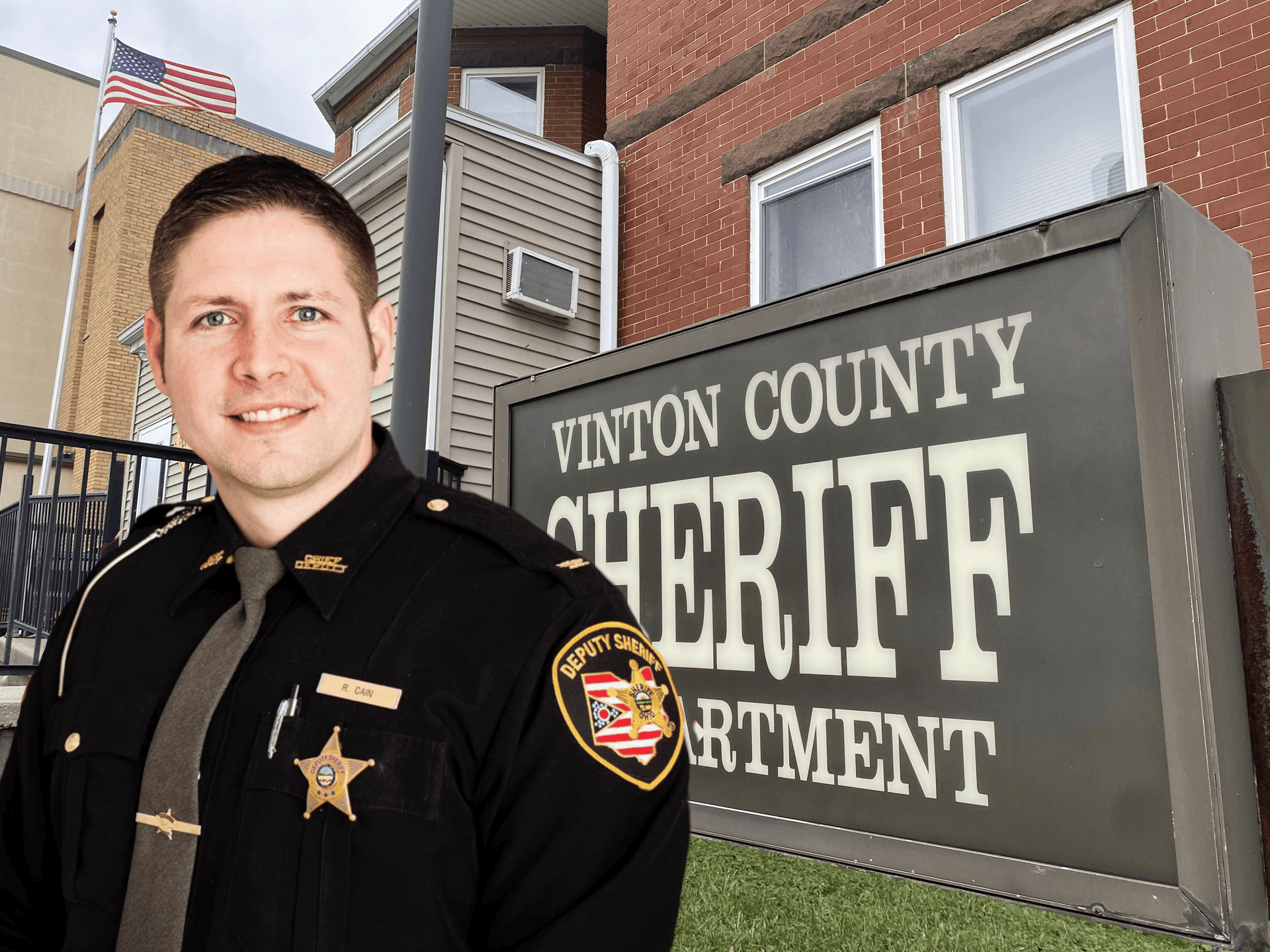
Vinton County Relies on Volunteers and County EMS for Rural Emergency Care
Vinton County delivers emergency services through a mix of county-level agencies and volunteer fire departments that cover townships and villages across the county. That structure shapes response patterns, budget priorities, and community responsibilities for residents who depend on coordinated dispatch and mutual aid in the county's rural areas.
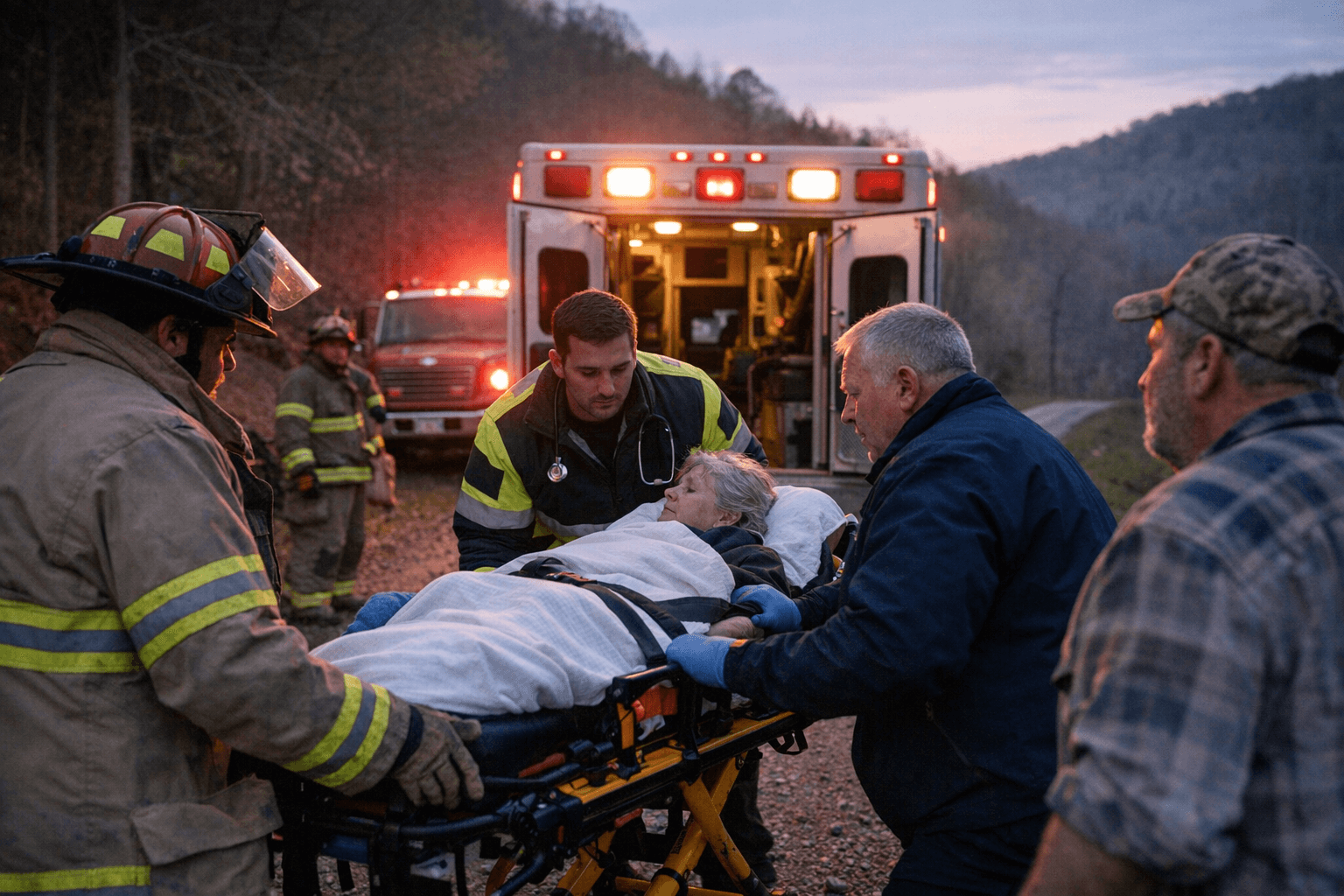
Emergency response in Vinton County is a hybrid system: county-run emergency medical services and dispatch coordinate calls and transports while volunteer fire departments provide primary fire suppression and mutual aid across the county's townships and villages. Local departments named on county records include Hamden, McArthur/Allensville, Wilkesville and Zaleski, among others, each serving defined local territory and answering calls that can span long rural routes.
At the center of the system is county dispatch, which routes 911 calls and coordinates EMS transport and fire response with volunteer crews. The Vinton County website lists EMS station information and provides links to township and village government pages that identify local emergency resources. This networked approach is longstanding in rural counties, where full-time municipal fire forces are rare and volunteerism fills operational gaps.
The reliance on volunteer departments has direct consequences for residents. Volunteers supply much of the on-the-ground capacity for fire suppression and mutual aid, making community recruitment, training and retention policy priorities. County-level EMS handles medical transport, requiring smooth communications and logistical planning between paid staff and volunteers, particularly during severe weather or multi-agency incidents. Funding decisions at the county and township level therefore affect staffing, equipment maintenance, mutual-aid agreements and response readiness.
Institutional analysis shows several governance issues that warrant attention. First, fiscal sustainability: budgets that support volunteer departments come from a mix of township levies, grants and county allocations, which can fluctuate with economic conditions and local voting patterns. Second, coordination and training: consistent standards for incident command, interoperable communications and joint exercises are essential when multiple volunteer departments and county EMS operate together. Third, transparency and public information: centrally maintained, up-to-date contact details and station locations assist residents and emergency planners alike.
For voters and civic participants, these are actionable policy areas. Ballot measures and township budget choices influence how quickly crews can replace aging apparatus or expand training. Volunteering remains a civic pathway to strengthening local response; township trustees and village councils shape the administrative framework that supports volunteers. Residents interested in emergency operations can consult the Vinton County website at vintoncounty.com for current lists of emergency services, EMS station information and links to township and village government pages.
As rural communities confront demographic shifts and fiscal pressure, Vinton County’s mixed system highlights the importance of local civic engagement and clear county-level planning to maintain reliable emergency response across its dispersed landscape.
Sources:
Know something we missed? Have a correction or additional information?
Submit a Tip