Wake County Teachers Call Out at Intersections Demanding Pay, Benefits
Hundreds of Wake County teachers called out of class Wednesday to demonstrate at intersections, pressing state lawmakers for higher pay for advanced degrees, limits on health premium increases, restored retiree health benefits, and unfrozen step increases. The organized action highlights growing tensions over teacher compensation and benefits as state budget negotiations continue, with potential consequences for staffing and retention in local schools.
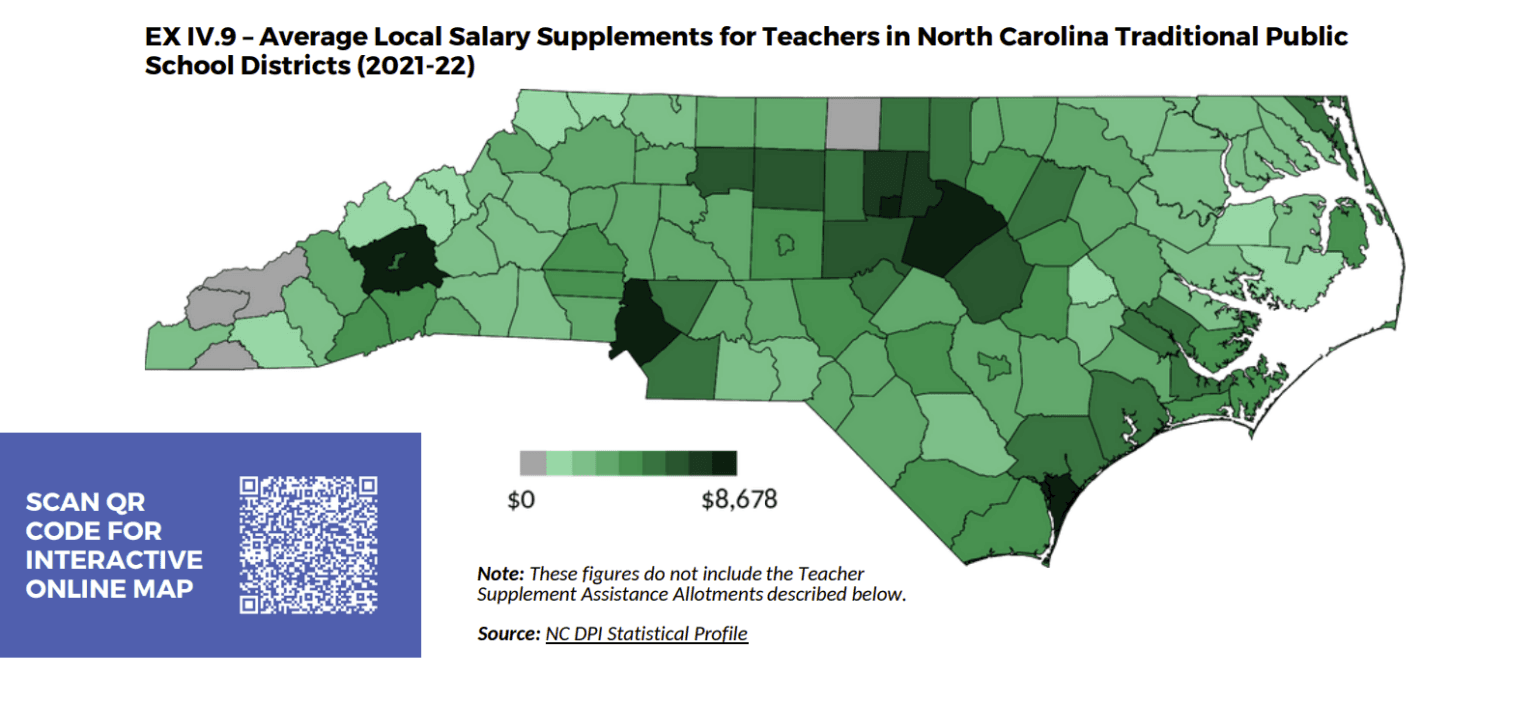
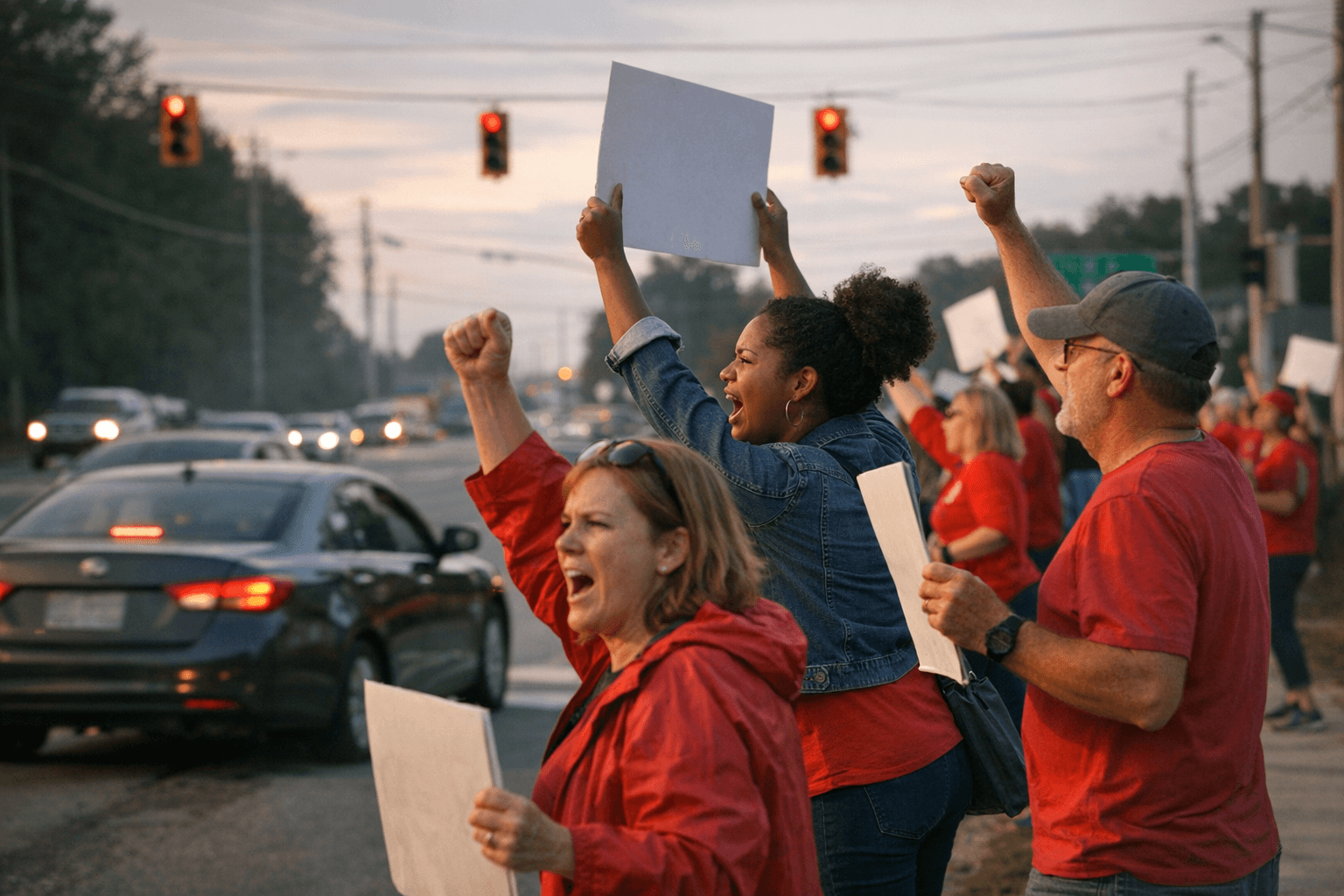
Hundreds of teachers participated in coordinated callouts Wednesday, gathering at more than a dozen intersections mostly in Wake County to press state lawmakers for changes to pay and benefits. Organizers from North Carolina Teachers in Action said the protest involved teachers from at least 50 schools and that at least 250 educators planned to take part. The group intends to hold a similar callout on the seventh day of each month through April.
The demonstrators sought several specific policy changes: higher pay for teachers who hold advanced degrees, a cap on the amount health care premiums can rise, restoration of health benefits for retired teachers, and the unfreezing of experience step pay increases. Organizers framed the action as a response to shifts in how teacher pay has been structured and to rising out-of-pocket costs for health coverage.
Wake County Public School System officials told county education leaders they did not expect major disruption to instruction, noting 98 percent of substitute teacher requests had been filled for Wednesday. Despite that staffing assurance, district leaders face ongoing pressure from educators and community members concerned about long-term implications of current compensation policies.
The protest comes amid state budget disagreements that have produced differing proposals in the House and Senate. Over recent years, North Carolina has restructured parts of the teacher pay scale, in many cases removing extra pay for master's degrees and altering step increases tied to experience. Those changes, combined with rising health premiums and reduced retiree benefits, have contributed to frustration among long-serving educators who say total compensation no longer reflects experience and advanced qualifications.
For Wake County residents, the demonstrations underscore several practical concerns. If policy changes do not address pay compression and benefit erosion, local schools could face increased turnover, difficulty recruiting experienced teachers, and pressure on classroom staffing that may affect instruction quality and student outcomes. The financial burden of higher health premiums also has direct effects on household budgets for teachers who live and work in Wake County.
The monthly cadence of the callouts signals an intent to sustain public pressure through the spring as state lawmakers finalize the budget. The demonstrations create a widening civic conversation about how the state values educators and how those priorities translate into the classroom. Local officials and residents will be watching budget negotiations in Raleigh for policy decisions that could alter the trajectory of teacher compensation, retention, and the district's ability to maintain experienced staff.
Sources:
Know something we missed? Have a correction or additional information?
Submit a Tip