Warmer Seas, Deforestation Supercharged Deadly Storms Across Southeast Asia
Researchers say a wave of lethal cyclones that battered Sri Lanka, Indonesia and neighboring countries was intensified by unusually warm seas and rapid deforestation, a finding with immediate public health and recovery implications. The attribution comes as 2025 ranks among the hottest years on record, underscoring the urgency of climate resilient planning and equitable disaster response.
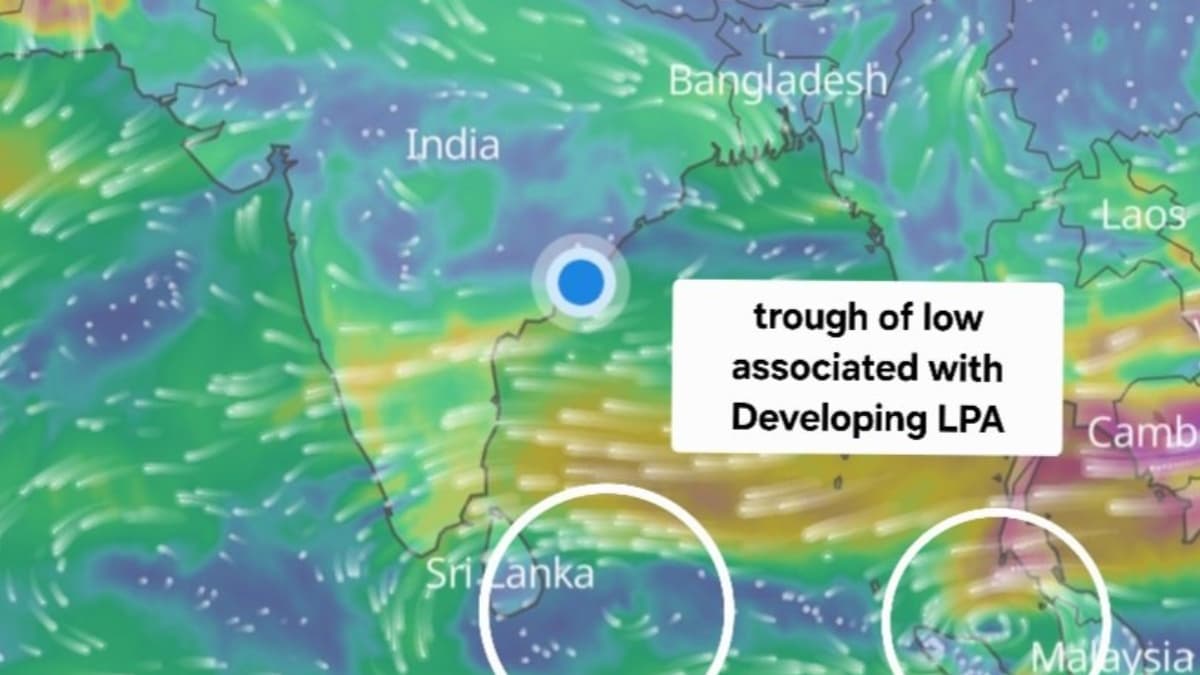
World Weather Attribution researchers concluded this week that a recent series of cyclones that devastated parts of Southeast Asia were effectively "supercharged" by higher sea surface temperatures, and that rapid deforestation during recent years amplified the destruction on land. The Reuters Sustainable Switch climate newsletter published on December 13 summarized the study and placed the disasters within the wider context of 2025 remaining among the hottest years.
Two named storms have emerged as focal points in the assessment. Tropical Cyclone Ditwah struck Sri Lanka with intense rainfall that triggered floods and deadly landslides. The newsletter cited a death toll exceeding 600 and estimated economic losses around 7 billion dollars. Tropical Cyclone Senyar battered parts of Southeast Asia, with the Indonesian island of Sumatra singled out as one of the hardest hit regions. The newsletter also noted impacts across Malaysia and Thailand.
The scientific attribution links short term physical drivers to immediate storm intensity and ties land use changes to heightened vulnerability once storms reached shore. Warmer sea surface temperatures feed energy and moisture into tropical systems making rainfall more extreme. In parallel, rapid removal of forest cover reduces natural buffers against erosion and landslides, and concentrates flood risk in settled valleys and coastal plains.
The human consequences in the storm affected zones have moved beyond acute injuries and mortality. Hospitals and clinics reported being overwhelmed in the immediate aftermath, with power and supply disruptions hampering emergency care. Public health officials in affected provinces expressed concern about outbreaks of waterborne diseases, contaminated drinking water, and risks stemming from prolonged displacement. Mental health needs are also mounting among survivors who lost homes livelihoods and loved ones.
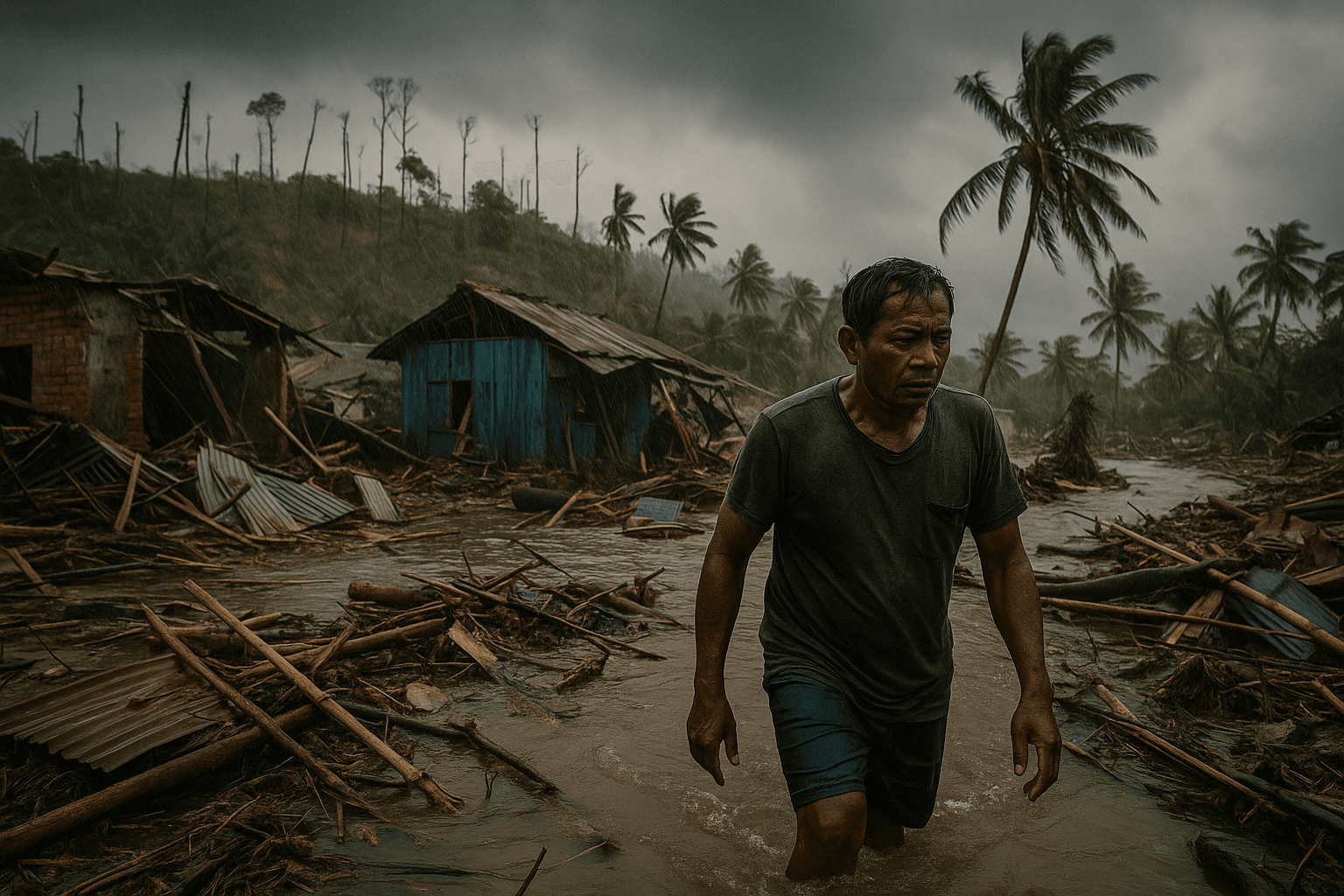
These events expose the intersection of climate drivers and social inequities. Low income communities and informal settlements commonly occupy flood prone and deforested slopes, bearing disproportionate burdens of both exposure and delayed recovery. Indigenous and rural forest dependent populations face loss of ecosystem services that sustained incomes and reduced hazard exposure. The economic toll estimated for Sri Lanka will strain national budgets and slow investments in health and social services in the months ahead.
Policy responses will test both domestic governance and international relief mechanisms. Experts say the attribution findings give urgency to integrating climate science into land use planning, accelerating reforestation and protecting intact watersheds. Strengthening early warning systems, investing in resilient health infrastructure, and ensuring cash transfers and housing support reach the most vulnerable are immediate priorities. Longer term, the connection made between ocean warming and storm power reinforces the case for rapid global emission reductions alongside local measures to restore natural defenses.
As 2025 finishes among the hottest years, the study summarized in the Sustainable Switch newsletter points to a strategic imperative for climate adaptation that centers equity. Effective recovery will require aligning disaster relief with community led rebuilding, targeted investments in health and prevention, and policy reforms that reduce both emissions and local vulnerabilities.
Know something we missed? Have a correction or additional information?
Submit a Tip