Washington sets 2026 residential rent increase cap at 9.683%
Washington Department of Commerce set the 2026 residential rent increase limit at 9.683%, effective Jan. 1; this affects Island County renters, landlords, and housing planning.
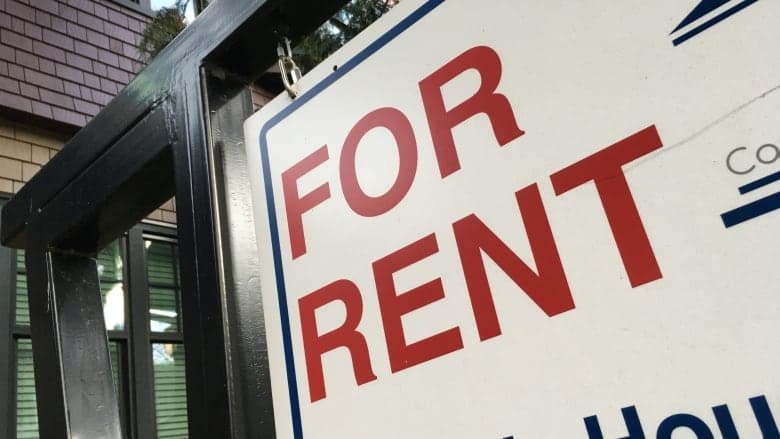
Washington’s Department of Commerce has set the statewide cap on residential rent increases for 2026 at 9.683%, taking effect Jan. 1, 2026. The numeric limit flows from House Bill 1217’s formula, which sets a base of 7% plus inflation, with a hard cap of 10%, and will be updated annually by the department.
Under the state framework, the cap governs annual rent increase percentages for renewing tenancies but does not restrict rents at the start of a new tenancy. That means landlords may set initial rents when a tenancy begins, while subsequent annual increases for existing tenants are subject to the 9.683% ceiling. The 2026 cap is slightly below the 10% statutory maximum after incorporating recent inflation figures used in the calculation.

For Island County residents, the immediate effect will be on lease renewals and budgeting. Renters whose tenancies began more than a year ago will see any landlord-proposed annual increases limited to the new rate. Tenants in the first year of a lease remain protected from rent hikes during that initial year under state law. Landlords and property managers must factor the cap into 2026 rent-setting decisions for renewals, while also accounting for the ability to establish initial rents for new tenancies without percentage limits.
Housing advocates in the county say predictable limits on annual increases help with tenant planning and stability, while landlords point to rising costs that may prompt higher initial rents or other adjustments. The Department of Commerce guidance provides detailed rules for calculating allowable increases and compliance steps; Island County renters and property owners should consult that guidance when preparing lease notices and budgets for 2026.
The Department of Commerce will continue to publish the numeric cap each year, so landlords and tenants should watch for future updates tied to inflation and legislative parameters. Local housing programs and legal aid resources can help residents interpret how the cap applies to individual leases and timelines.
The takeaway? Check your lease start date, mark when you enter the next renewal window, and consult Department of Commerce guidance before agreeing to or issuing 2026 rent adjustments—planning now can avoid surprises when the new cap takes effect.
Sources:
Know something we missed? Have a correction or additional information?
Submit a Tip