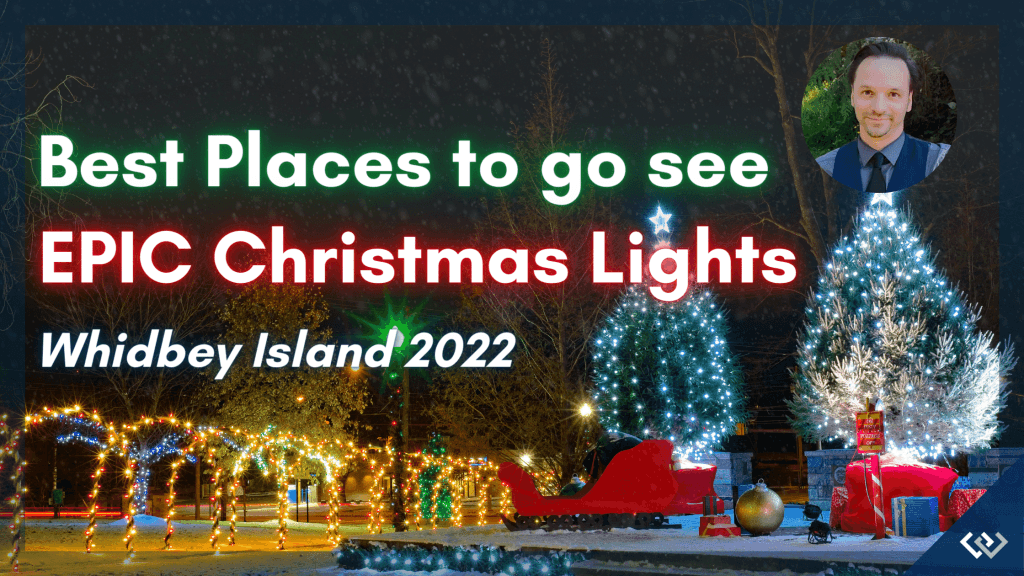
Whidbey Island Lights Bring Community Cheer and Traffic Concerns
A recent community photo feature highlighted seasonal lights and holiday displays across Whidbey Island, compiling photographs, short descriptions, and viewing details for family friendly light shows and tree lightings. The coverage matters to local residents because it helps plan safe visits, warns about traffic and private property concerns, and signals a modest boost in evening activity for local businesses and community groups.
A community photo feature showcased an array of seasonal lights and holiday displays across Whidbey Island, collecting images and brief descriptions of notable installations from neighborhoods and public spaces. The piece served as a visual guide for residents and visitors, and included dates and viewing details for several family friendly light shows, as well as listings for community tree lightings and evening events.
Organizers and volunteers from churches, neighborhood associations, and civic groups are behind many of the displays, contributing time and modest resources to create public attractions. The concentration of displays across the island has made holiday viewing an evening activity that draws families, small groups, and visitors, with some locations encouraging slow drive through visits and others designed for pedestrians. The feature emphasized practical viewing information so families can plan outings without inadvertently disrupting neighborhoods.
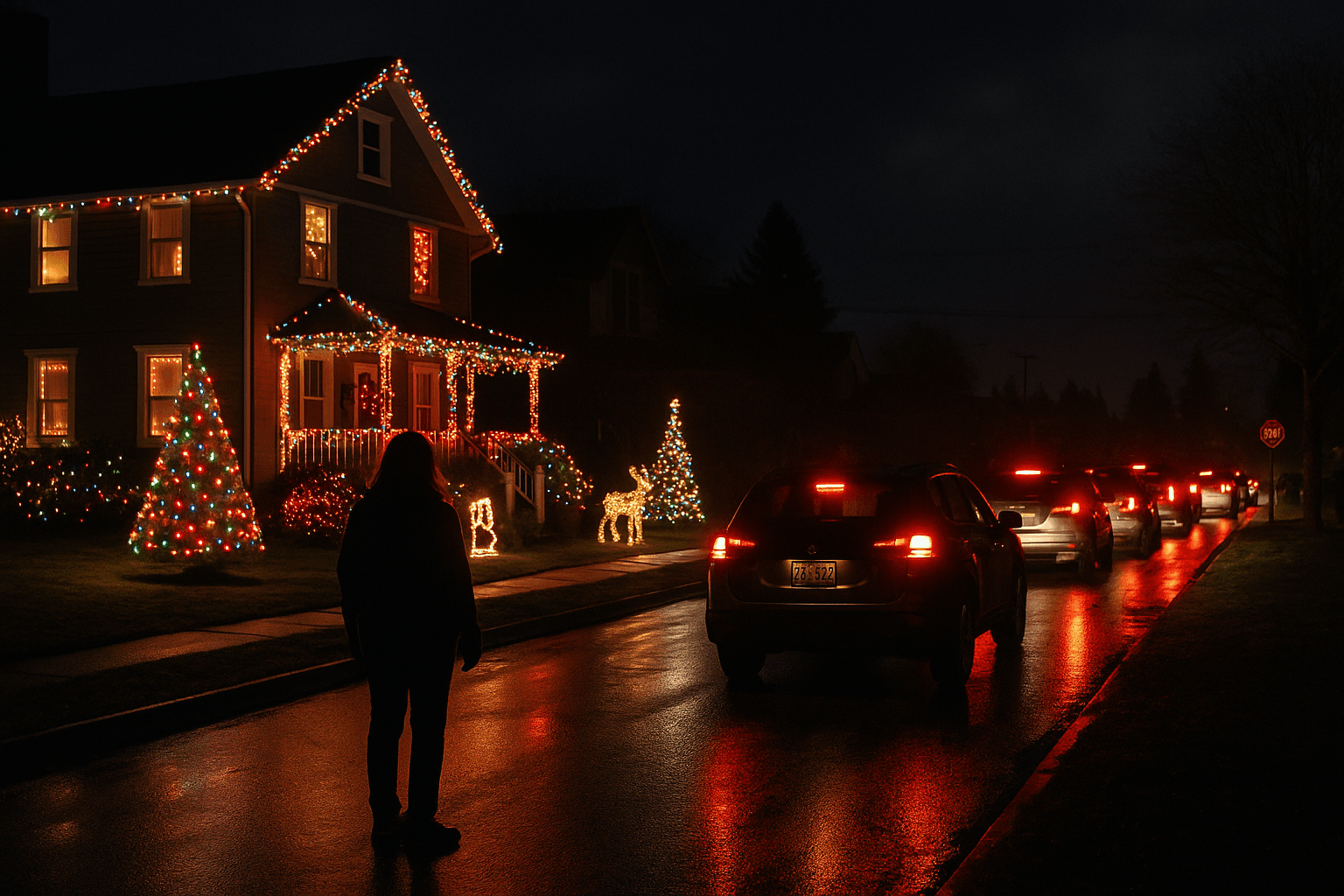
Local impact extends beyond seasonal cheer. Evening events increase demand for parking and can change traffic patterns on arterials and residential streets, creating potential safety and congestion issues. That prompted clear reminders to respect posted viewing times and private property boundaries, to follow traffic directions at busy intersections, and to avoid blocking driveways or impeding emergency access. Those points are particularly important for narrow island roads where a single stalled car can produce significant delays.
There are economic and community benefits. Increased evening foot traffic supports restaurants, cafes, and small retailers near viewing corridors, and volunteer run installations strengthen civic ties and offer shared experiences during a time when local spending is concentrated. The displays are relatively low cost to stage, yet they concentrate visitors in commercial nodes and create opportunities for local merchants to capture holiday demand.
Residents planning visits should treat displays as community events, arrive with patience, and prioritize safety. By following posted guidance and respecting private property, viewers can enjoy the seasonal lights while minimizing traffic disruptions and preserving neighborhood warmth through the holiday season.