Whidbey Music Festival Brings Chamber and Crossover Concerts to Island
The Whidbey Island Music Festival staged a seasonal push beginning Dec. 5, 2025, presenting classical, chamber and crossover performances in a mix of community venues across the island. The series brought visiting and local artists into smaller, intimate spaces, expanding access to live music while supporting cultural tourism and nearby businesses.
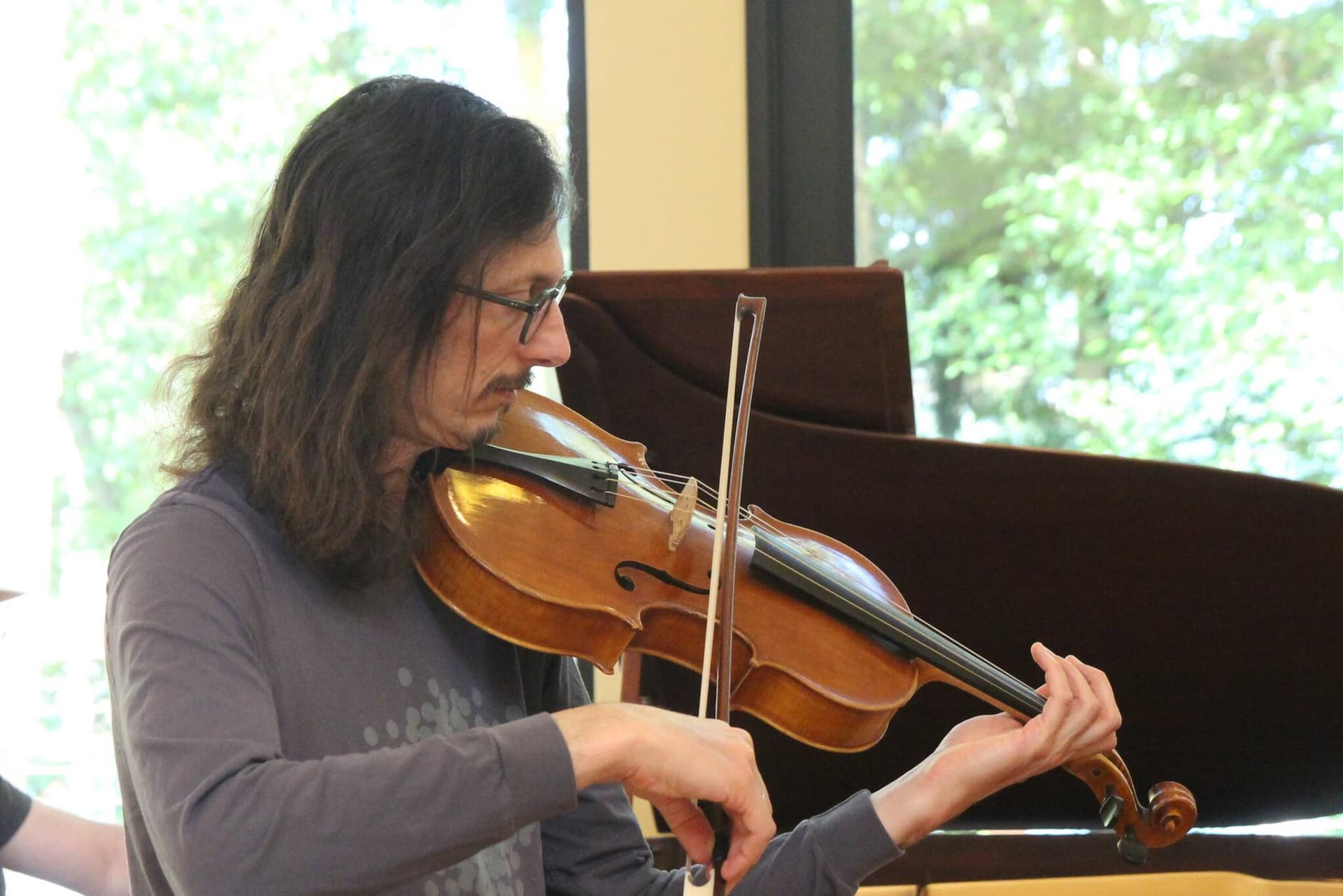
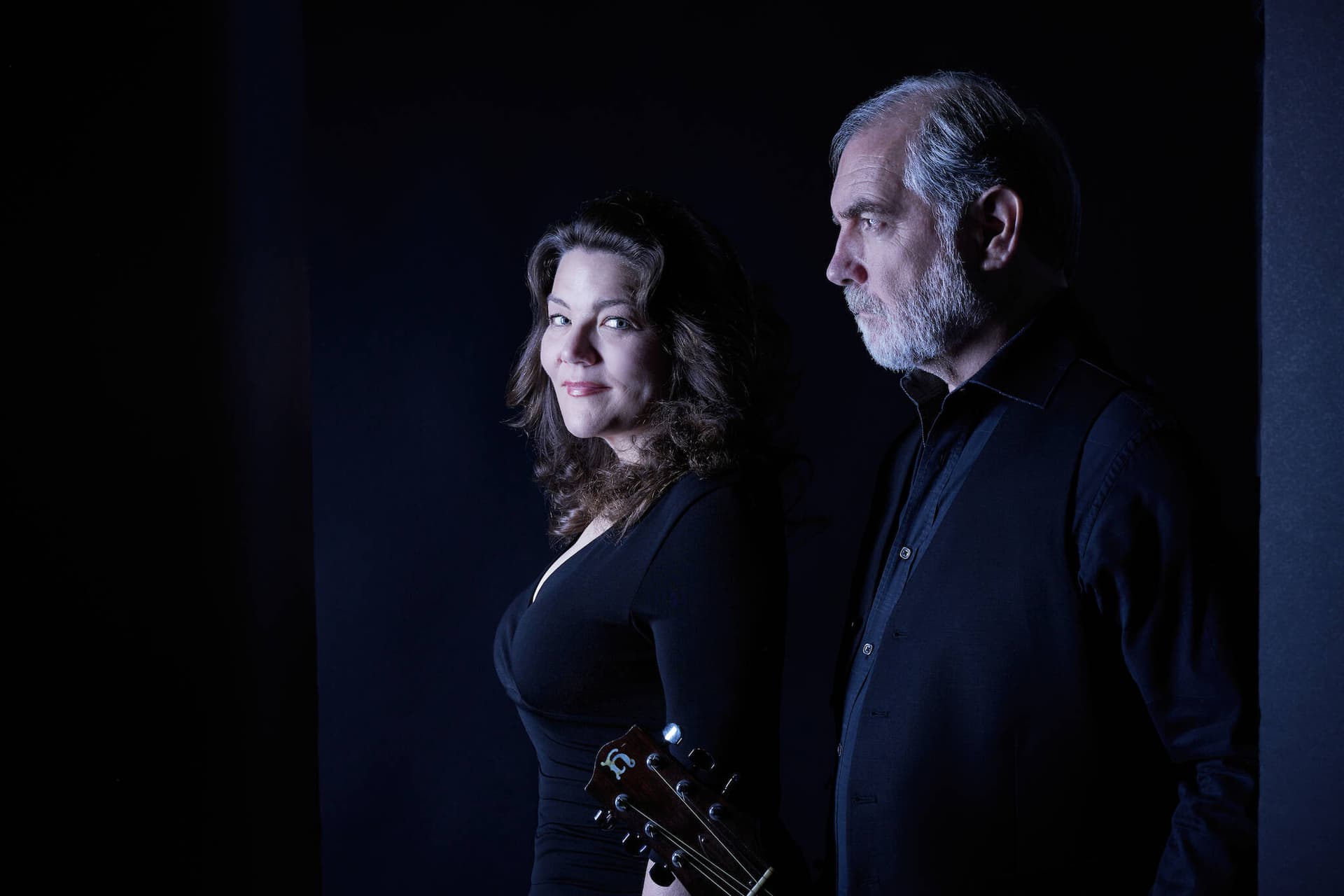
The Whidbey Island Music Festival opened a compact season of concerts beginning Dec. 5, 2025, with a program that emphasized intimacy and community reach. The festival presented a range of classical and crossover offerings by visiting and local musicians, including cellist William Skeen, guitarist Kevin Cooper, and Mexican mezzo soprano Cecilia Duarte, distributing performances across churches, community halls and small theater spaces on Whidbey Island.
Organizers designed the program to place music into venues that reduce barriers to attendance and foster direct artist audience engagement. That approach aimed to broaden access for residents who do not typically travel to larger metropolitan concert halls, and to place cultural programming within walking distance of neighborhood businesses. Outreach efforts included partnerships with schools and local venues to introduce students and community groups to chamber repertoire and multidisciplinary performances.
The festival’s mix of visiting and local artists carries implications for cultural tourism on the island. By staging multiple small scale events rather than a single headline concert, the series encouraged staggered visitor arrivals that can sustain midweek dining and lodging demand. Local operators reported increased foot traffic around concert times, and organizers highlighted the role of the festival in extending the seasonal calendar for arts visitors.
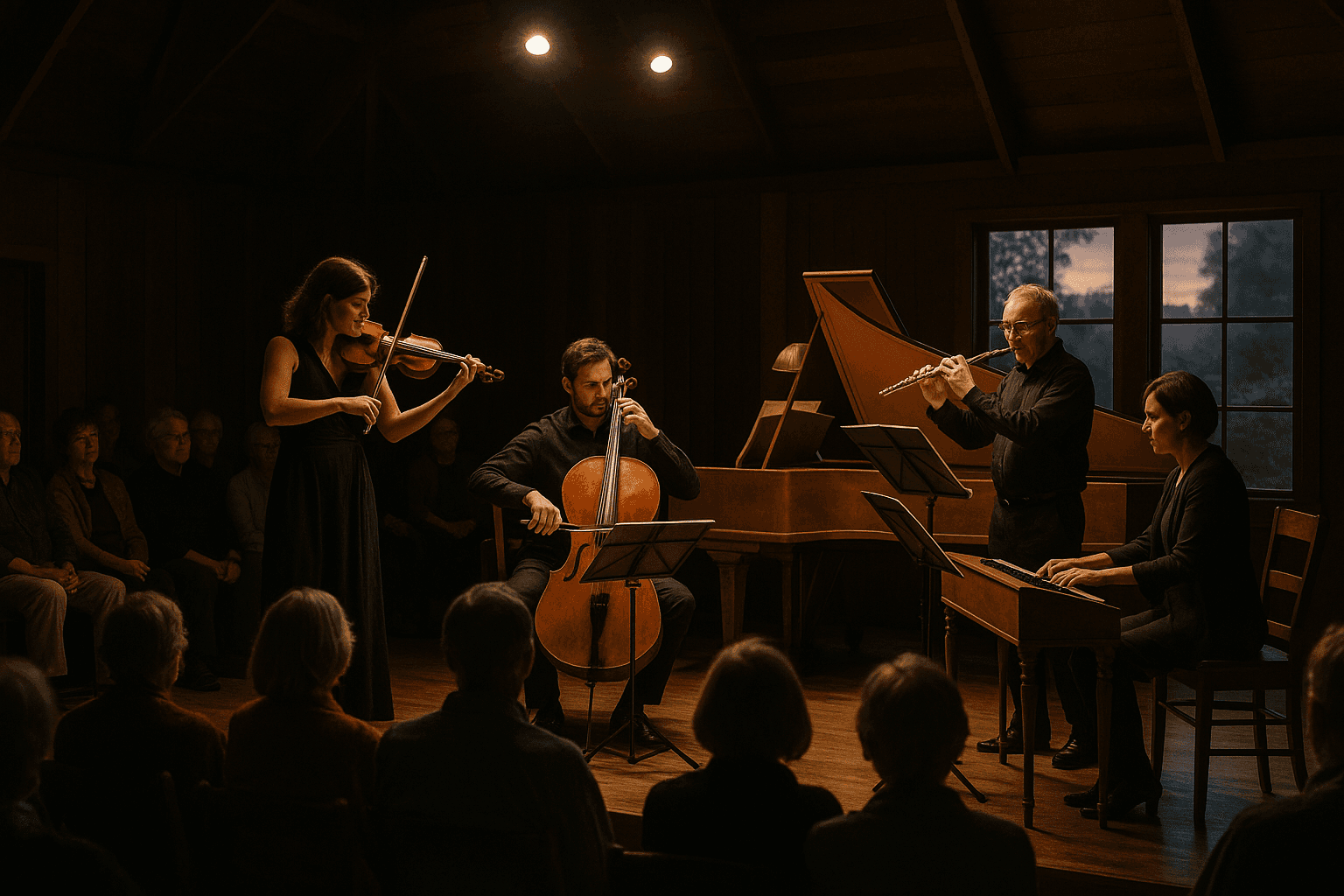
From an economic perspective the model fits a broader trend of place based arts programming that leverages local distinctiveness to drive spending in hospitality and retail. While the festival did not rely on a single large venue, its aggregation of smaller events can produce cumulative ticket revenue and ancillary spending that benefit multiple neighborhoods. The festival also signaled longer term opportunities for cultural planners to integrate arts programming into tourism strategies that support off peak business cycles.
For residents the immediate payoff was artistic variety and more accessible performances delivered close to home, accompanied by school engagement that aims to seed future local audiences. The festival’s printed program and announcements included details on upcoming performance dates and ticketing information for those seeking to attend remaining events in the series.