White House Signals Conditional Role, Envoy Deployment Tests Ukraine Peace Push
The Biden administration is calibrating how closely President Biden will be tied to an emerging Ukraine peace initiative, while the choice to send Steve Witkoff and adviser level engagement has drawn scrutiny from allies and Kyiv. The balance between private envoy diplomacy and formal presidential involvement will shape U.S. influence, allied cohesion, and the credibility of any eventual settlement.
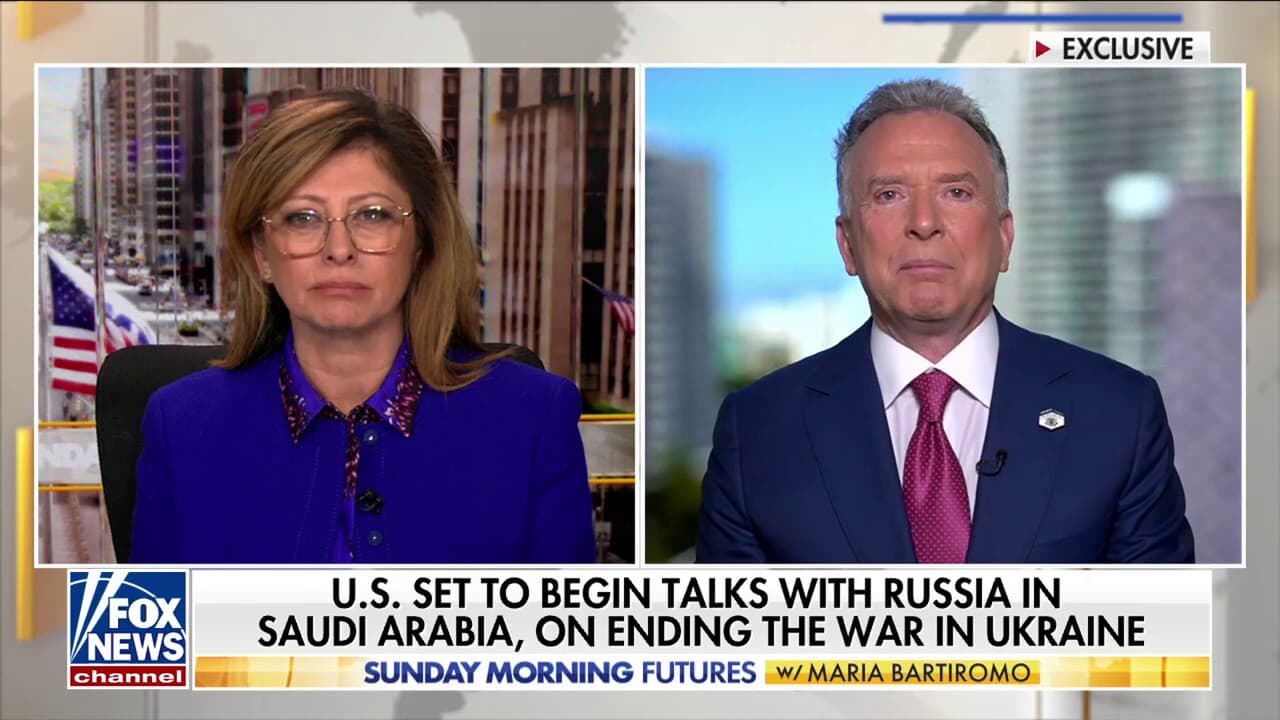
The White House is navigating delicate choices over how visibly President Biden should be involved in a renewed diplomatic push for peace in Ukraine, even as reports circulate that Steve Witkoff has been dispatched in a role linked to adviser level engagement. The move comes in parallel with the Copenhagen and Doha era diplomatic efforts that sought to knit together informal channels and formal negotiations, and it highlights growing tensions within Washington on how to combine private initiative with official statecraft.
Administration officials have signaled they will engage conditionally, seeking to preserve leverage while avoiding entanglement in an agreement that could constrict U.S. policy or unsettle NATO allies. Sending an envoy with ties to adviser level coordination rather than deploying the president himself reflects a strategic calculus about risk and reward. A lower profile U.S. posture can allow space for mediators and regional actors to explore proposals, yet it also risks diminishing American influence over the terms and the process.
The use of private envoys and adviser level interlocutors has precedent and can be valuable in opening channels with parties reluctant to deal directly with senior officials. At the same time, allies in Europe and government officials in Kyiv are watching closely for signs that Washington remains committed to Ukraine’s sovereignty and to shared security guarantees. If the United States appears ambivalent, that could complicate allied unity and embolden Moscow to push for outcomes that fall short of Ukrainian demands and international legal norms.
International law and accountability are central concerns for many diplomats and legal experts who argue any settlement must address war crimes, reparations, and the rule of law. An approach that relies heavily on informal envoys risks producing agreements that lack robust verification mechanisms or that fail to secure buy in from international institutions. The White House faces a choice about how conditions attached to its engagement will be enforced, and whether presidential attention will be deployed to cement compliance.
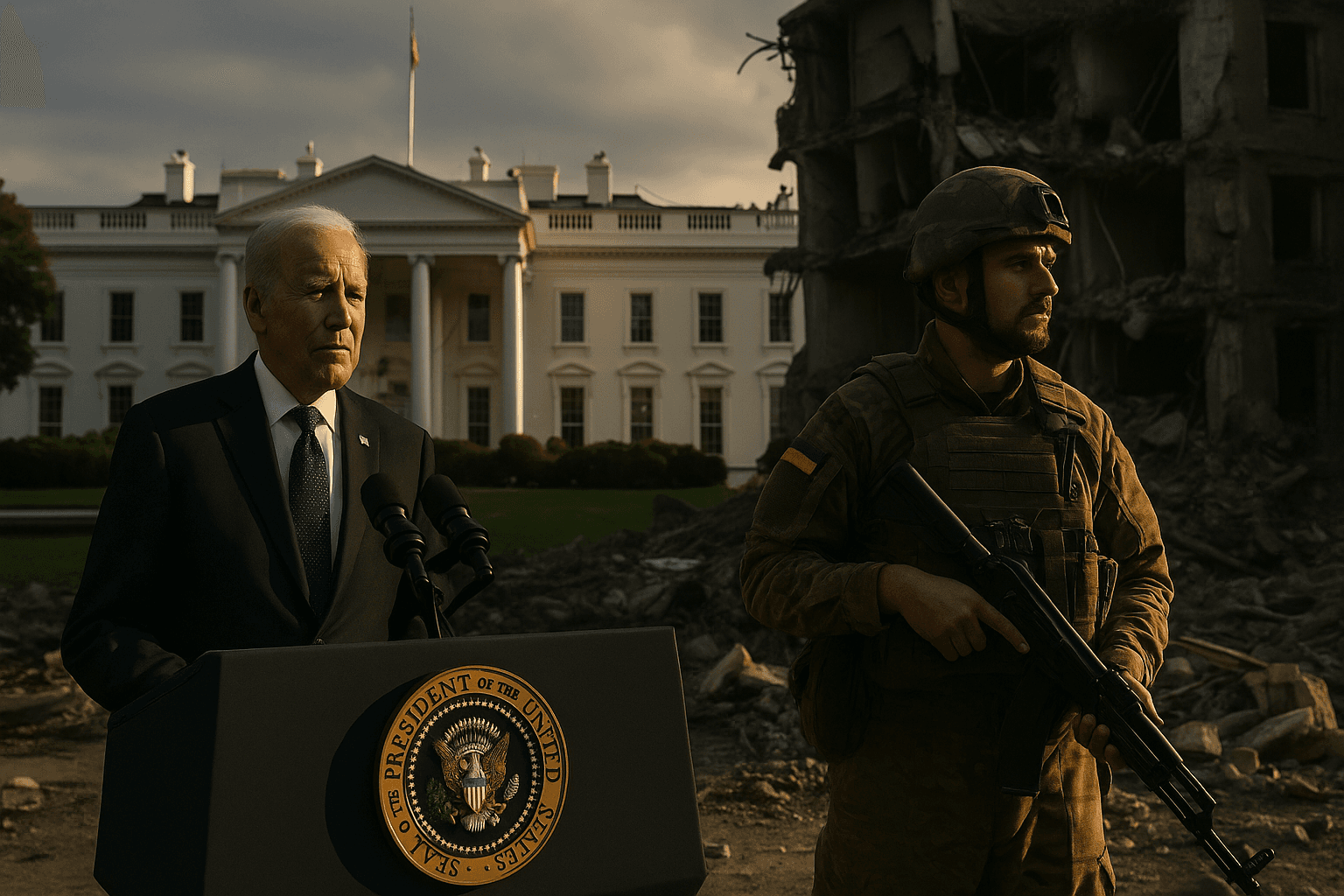
Domestically, the administration must also consider political optics. A president publicly invested in a peace plan enjoys greater capacity to rally domestic and international support, but taking that step without clear parameters could expose the administration to criticism if the deal is seen as premature. Adviser level involvement offers flexibility, but it requires transparent coordination with Congress and allies to maintain legitimacy.
The coming days are likely to reveal whether the Witkoff dispatch is a preliminary probe or part of a broader pivot toward active American facilitation. Success will depend on clarity about objectives, close consultation with European partners and Kyiv, and a commitment to legal and ethical standards that underpin long term stability. How the White House balances conditional involvement against the need for leadership will determine not only the fate of the current initiative, but also Washington’s standing as a broker in one of the most consequential conflicts of the decade.
Sources:
Know something we missed? Have a correction or additional information?
Submit a Tip%2Fi.s3.glbimg.com%2Fv1%2FAUTH_da025474c0c44edd99332dddb09cabe8%2Finternal_photos%2Fbs%2F2025%2FK%2Fk%2FyrBrW1ScatAE4lj5somA%2F54719297810-53f7e85105-c-1-.jpg&w=1920&q=75)

