Widespread Verizon outage leaves hundreds of thousands without service
Verizon customers across the U.S. lost mobile voice and data service in a major outage, affecting hundreds of thousands and hindering emergency calls.

A major Verizon Wireless outage on Jan. 14 cut mobile voice and data for hundreds of thousands of customers across the United States, snarling everyday communications and complicating emergency access for some residents. Reports of interruptions spiked just after noon Eastern Time, with trackers and media outlets logging a sharp surge of complaints and calls for service.
User-reported tallies clustered in the high hundreds of thousands at the outage peak. The New York Times and other outlets cited more than 170,000 reports at peak; ABC News noted at least 175,000 affected customers; and CNN reported more than 178,000 reports filed within a 15-minute window and said Downdetector recorded over 1 million related issue reports within 24 hours. Engadget’s timeline tied the fastest growth in reports to roughly 12:00 through 12:43 p.m. ET, with a peak around 12:43 p.m.
Customers in many major metropolitan areas reported loss of service. Outage maps and reporting showed hot spots in New York City, Washington, Boston, Atlanta, Chicago, Los Angeles, San Francisco, Portland, Houston, Philadelphia, Miami, Charlotte, and Dallas, with the greatest concentration in the eastern United States. Local officials in some regions, including Hampton Roads, also reported impacts.
The outage affected both voice and mobile data for many users. Several customers said phones displayed an “SOS” indicator instead of normal signal bars, though some text messages continued to be delivered. Downdetector analysis cited by CNN found that 59 percent of reports referenced “mobile phone failure” and 34 percent mentioned a “loss of signal.”
Verizon acknowledged the disruption on its social channels and on its news account, saying, “We are aware of an issue impacting wireless voice and data services for some customers,” and that engineers were “engaged and are working to identify and solve the issue quickly.” Later, Verizon spokeswoman Christina Moon Ashraf said, “Verizon engineering teams are continuing to address today’s service interruptions. Our teams remain fully deployed and are focused on the issue. We understand the impact this has on your day and remain committed to resolving this as quickly as possible.” The carrier apologized for the inconvenience, and some outlets reported its own status page struggled to load during the outage.
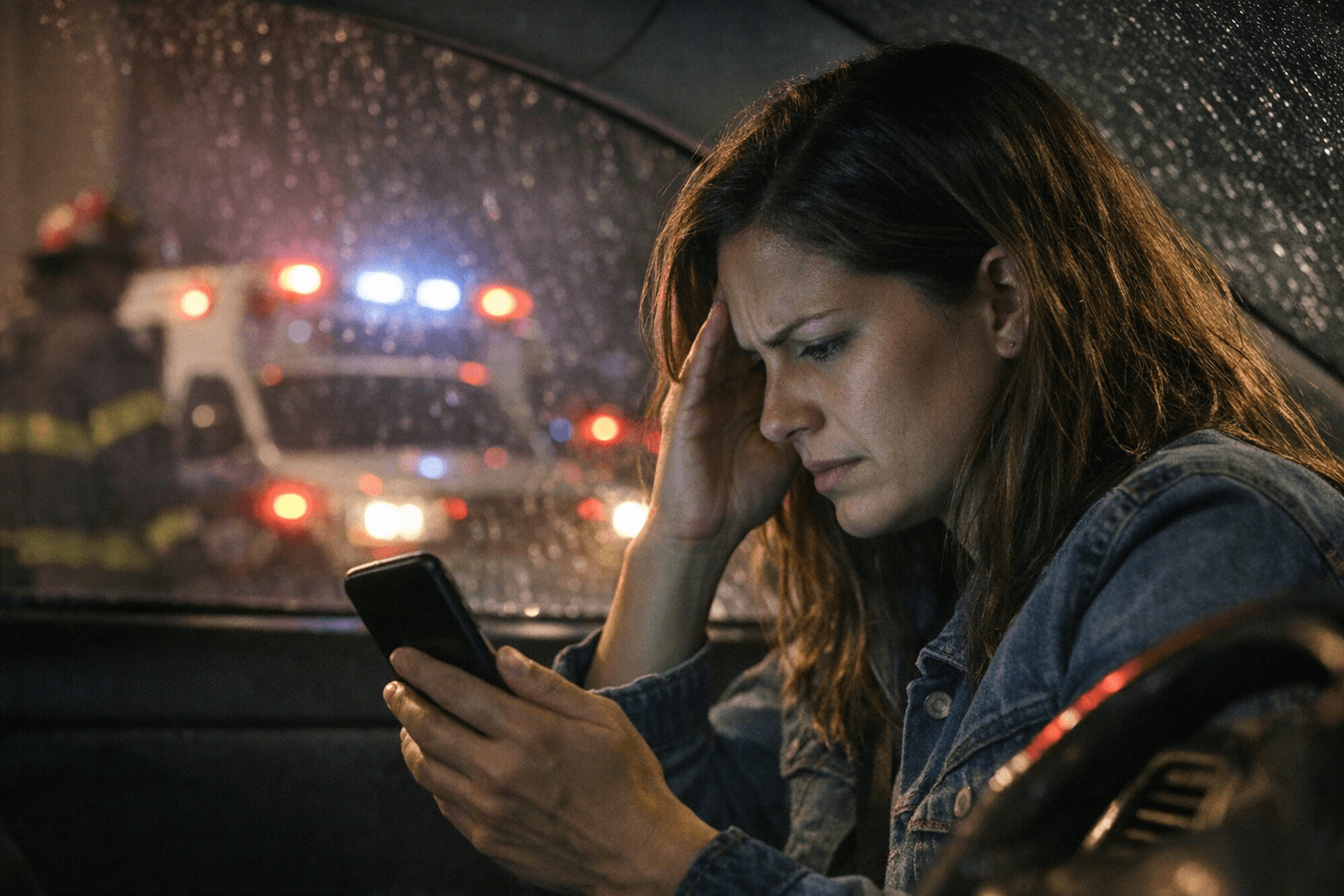
City emergency managers warned that the interruption could hinder access to 911. New York City Emergency Management advised residents who could not connect to emergency services via Verizon to call using another carrier, a landline, or go to a police precinct or fire station. Washington officials issued similar guidance. T-Mobile said its network was operating normally but cautioned that its customers might not be able to reach people on Verizon during the disruption.
Verizon did not disclose a definitive cause. Experts say a range of technical problems can produce outages of this scale. Jack Burbank, a senior member of IEEE and vice president of advanced communication technologies at Sabre Systems, warned such disruptions can stem from “faulty configuration changes” or “software updates gone wrong.”
By mid-afternoon the volume of reports had fallen from the peak, with The New York Times reporting about 70,000 outstanding reports by 2:30 p.m. ET and other trackers showing declining but still substantial numbers. Verizon’s engineering crews remained deployed, and the company had not provided a full recovery timeline or a final explanation as of mid-afternoon. The event underscores the vulnerability of daily life to concentrated failures in critical communications infrastructure.
Know something we missed? Have a correction or additional information?
Submit a Tip