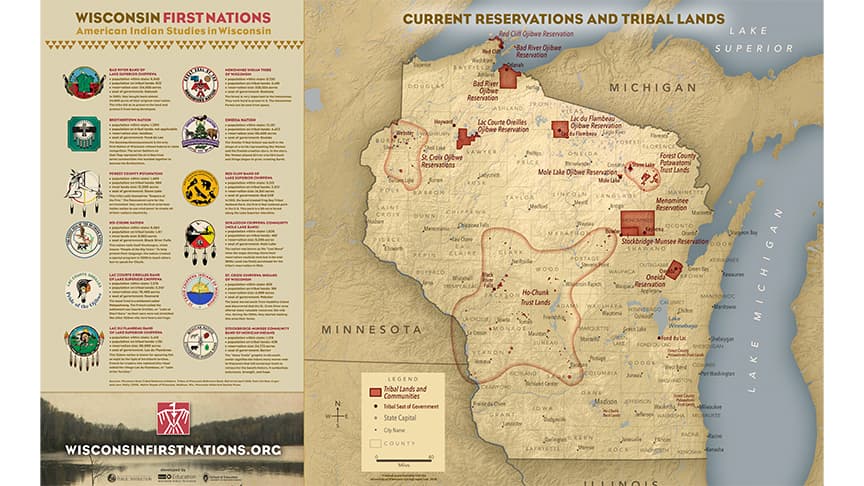
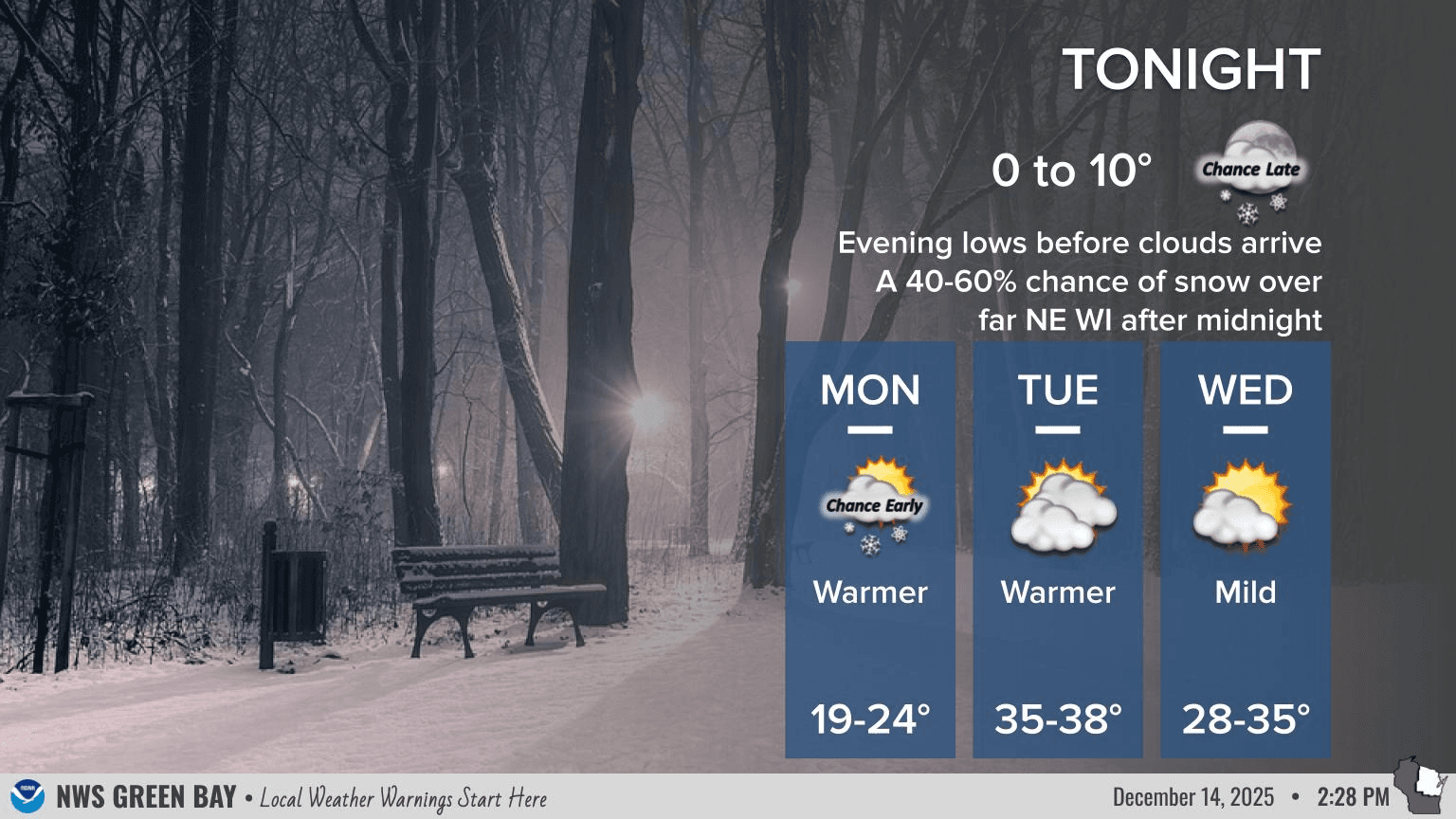
Winter Travel Safety, Road Preparations Urged for Menominee County
Menominee County officials and emergency planners are urging residents to review winter travel and outdoor safety preparations as changing weather and variable road maintenance increase risks. The advice stresses basic vehicle kits, checking tribal and county advisories, and extra precautions for recreation, pets, livestock and hunting activity.
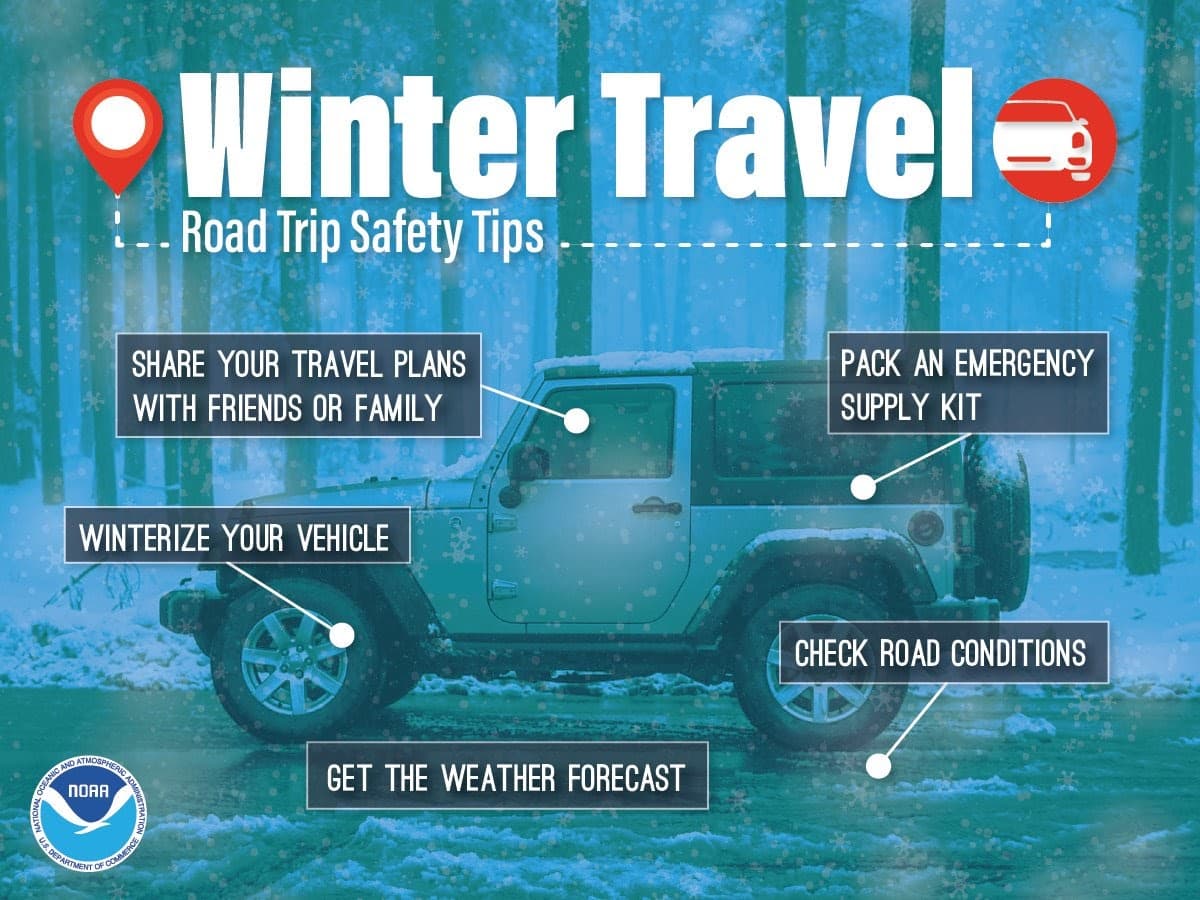
As winter conditions develop across Menominee County, local authorities are emphasizing practical steps residents should take to reduce risk on rural roads and in the outdoors. The county's mix of rivers, forests and the Keshena Falls area, together with a sparse population and long travel distances, means delays in plowing and longer emergency response times in some locations. County roads and tribal roads can be plowed on different schedules, so checking local Department of Transportation and tribal public works advisories before travel is essential.
Drivers are advised to stock a winter emergency kit containing blankets, bottled water, nonperishable food, a phone charger, flashlight and a shovel. Vehicles should have winter rated tires, a full gas tank when venturing into remote areas, and tire chains or other traction aides if planning off highway travel. These steps reduce the chance of being stranded and help first responders locate and assist motorists more quickly.
Rapid warming periods can cause localized flooding as snowpack melts. Residents near low lying roads and river corridors should monitor Menominee County and tribal emergency management announcements for sandbag distribution sites and road warnings. Ice on lakes and rivers varies widely in thickness this time of year, so assume ice is unsafe unless confirmed locally and avoid travel on frozen water without verification.
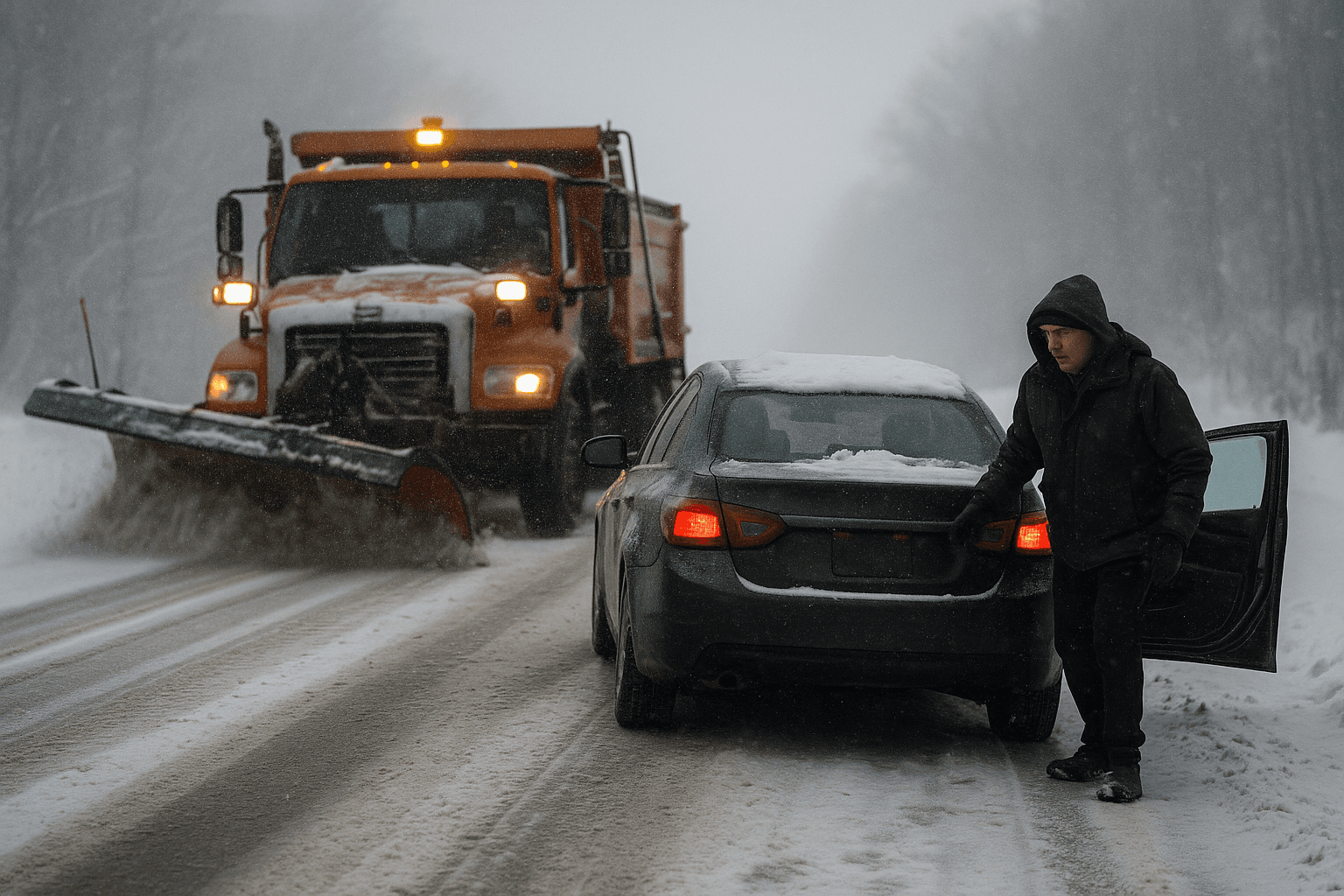
Outdoor recreation safety remains a priority. Dress in layers, carry a map and a charged phone, and tell someone your route and expected return time. Hunters should carry required licenses and use the tribe’s online conservation and harvest reporting portal when reporting harvests as required. Pet and livestock owners should prepare extra food, water and sheltered space, and have a backup plan for power outages that could affect heating and water systems.
In life threatening situations call 911. For non emergency questions about shelter availability or local services consult tribal emergency management offices or postings at community centers. Before traveling, check tribal and county emergency web pages and local broadcasters for the latest road, weather and safety advisories to stay informed and safe.
Know something we missed? Have a correction or additional information?
Submit a Tip