Yellow wood stove advisory issued for Eugene-Springfield residents
LRAPA issued a voluntary yellow wood stove advisory through Sunday urging residents with other heating options to avoid burning wood to reduce smoke and health risks.
The Lane Regional Air Protection Agency issued a yellow wood stove advisory for the Eugene-Springfield area on Jan. 9, asking people who have other heating options to avoid burning wood through Sunday. The advisory was prompted by a National Weather Service air stagnation advisory, which can trap smoke and lead to worsening air quality and breathing difficulties for sensitive groups.
A yellow advisory is voluntary, not a burn ban. LRAPA said the measure was intended to reduce local smoke accumulation during a forecast period of light winds and temperature inversion conditions that limit pollutant dispersion. Residents with respiratory conditions were urged to be especially cautious and, if possible, switch to alternative heat sources for the duration of the advisory.
The advisory affects neighborhoods across Lane County where wood stoves and fireplaces are common supplemental heat sources. Even when a yellow advisory is voluntary, cumulative emissions from multiple home fires can raise fine particulate levels enough to affect children, older adults, and people with asthma or other lung disease. Local air stagnation makes the valley especially prone to holding smoke near the ground, amplifying short-term exposures.
For many households, the short-term impact will be a decision about whether to burn wood for evening warmth. Those who can switch to electric or gas heat, run a furnace, or use a heat pump reduce both personal exposure and the collective burden on air quality. People who must continue to use wood heat can reduce emissions by using well-seasoned fuel and ensuring stoves are burning efficiently, but the advisory's primary goal is to lower overall smoke production while meteorological conditions limit dispersion.
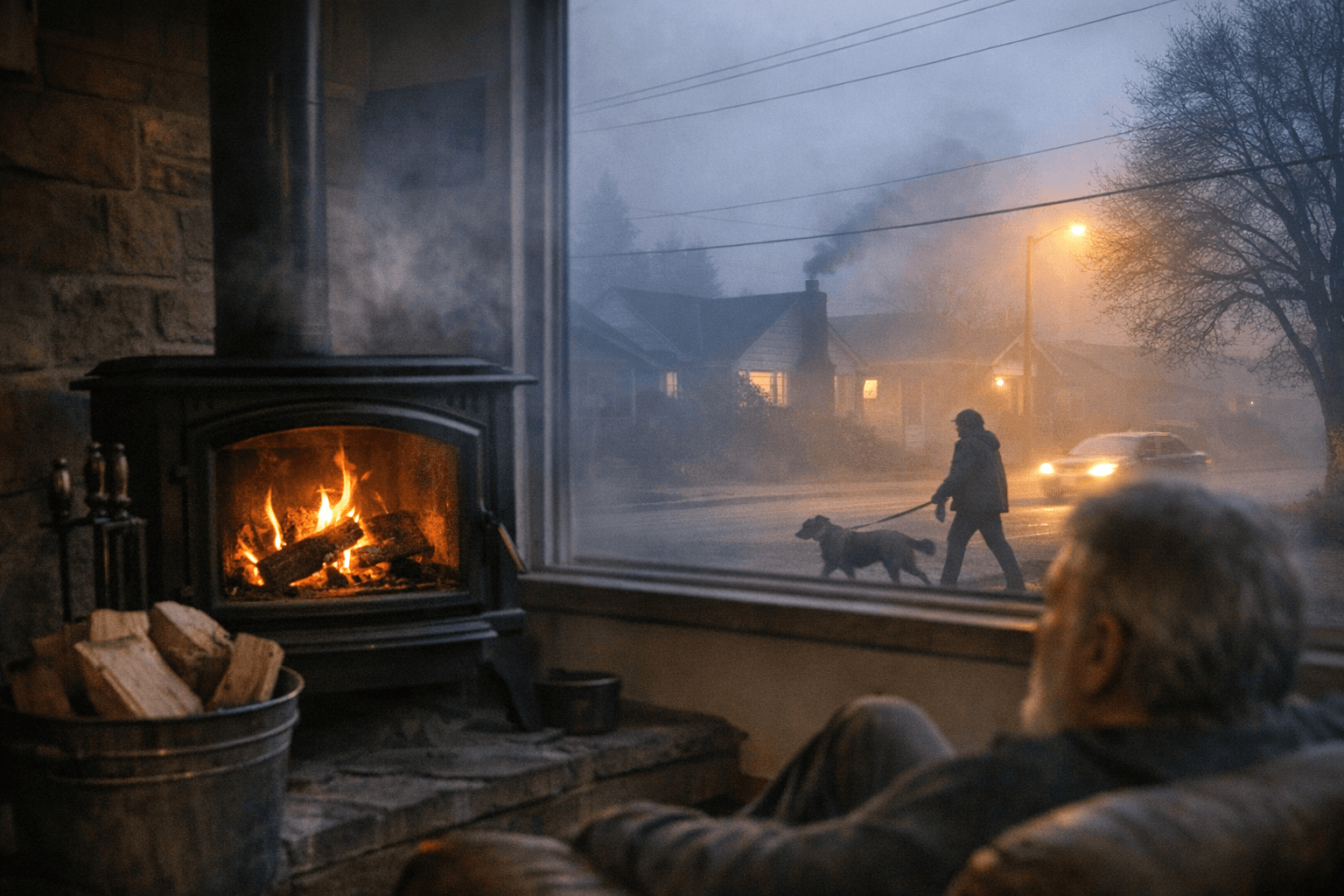
Practical implications extend beyond individual comfort. Poor air quality can prompt school activity changes, increase demand at clinics for respiratory care, and strain local residents who lack alternative heating. Community-wide participation in voluntary advisories tends to blunt peaks in pollution, benefiting neighbors who are most vulnerable.
The takeaway? If you can avoid burning wood for a few days, you help keep smoke levels down for your block and your lungs. Our two cents? Check your heating options, follow LRAPA updates, and have medications and clean indoor air plans ready for anyone in your household with breathing issues.
Sources:
Know something we missed? Have a correction or additional information?
Submit a Tip