Yemen leadership reshuffle signals Riyadh‑tilt as foreign minister named PM
Yemen’s Saudi‑backed council accepted Salem bin Breik’s resignation and tapped Foreign Minister Shaya Mohsen Zindani to form a new cabinet, intensifying regional pressure points.
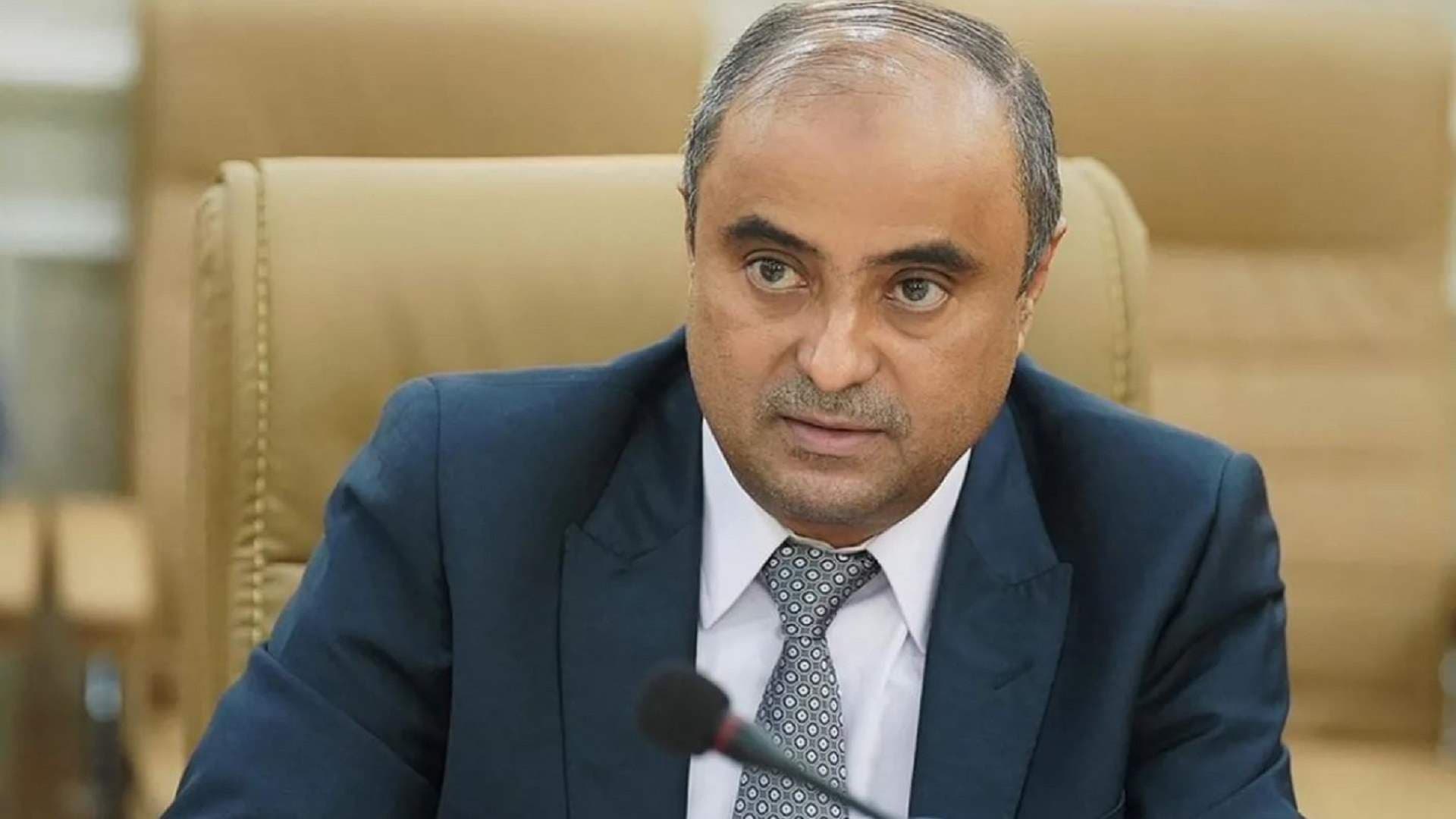
Yemen’s Saudi‑backed Presidential Leadership Council has accepted the resignation of Prime Minister Salem bin Breik and appointed Foreign Minister Shaya Mohsen Zindani to form a new cabinet, state news agency Saba reported. The move marks a sudden shift at the top of the internationally recognized government amid rising regional tensions that have roiled security and markets.
Saba said bin Breik formally submitted his resignation and the council approved it before naming Zindani. The agency provided no further details on the reasons for the resignation, the composition of the incoming cabinet or a timeline for its formation. No statements from bin Breik, Zindani, council members or outside governments were issued in the account released by the state news service.
The leadership change comes against a backdrop of escalating friction between Saudi Arabia and the United Arab Emirates. In December 2025, the UAE‑backed Southern Transitional Council seized control of large swaths of southern and eastern Yemen and advanced to positions close to the Saudi border, a development Riyadh viewed as a direct security threat. In the weeks since, Saudi‑backed forces have largely retaken those areas, according to regional reporting, but the episode exposed deep policy differences between the Gulf partners over influence, security priorities and oil politics.
Those rifts matter far beyond Yemen. The two Gulf states have been key players in regional oil diplomacy and in the coalition fighting the Iran‑aligned Houthi movement, and their disagreements have the potential to alter coordination on production strategy and security cooperation. Observers have pointed to disputes over geopolitics and oil output as contributing to broader instability in the Gulf, raising the prospect of volatility in energy markets and investor unease over regional risk premia.
Domestically, the reshuffle could reshape how the internationally recognized government engages with the Southern Transitional Council and other armed actors. The STC’s December advance underlined the fragmentation of authority in areas nominally under central government control and highlighted persistent governance gaps that have prolonged one of the world’s worst humanitarian crises. Humanitarian agencies warn that political turbulence and shifting front lines continue to hinder aid delivery and economic recovery across large parts of the country.

Economically, the immediate impact of a new prime minister will depend on the pace and political balance of the cabinet Zindani assembles. A government that consolidates support from key local actors and Gulf backers could stabilize fiscal management and attract a degree of donor confidence. Conversely, a protracted process or further fragmentation could exacerbate public service collapse, hamper private sector activity and delay reconstruction funding.
For Saudi Arabia, the leadership change appears to reinforce its influence over the recognized Yemeni government at a time when coordinated Gulf policy is vital to limiting Iranian proxy activity and keeping shipping lanes and oil markets stable. For the UAE, which has backed the STC and pursued separate security interests in southern Yemen, the shift may deepen strategic competition with Riyadh over the country’s future.
The immediate known facts remain narrow: Salem bin Breik resigned, the Presidential Leadership Council approved the resignation and named Shaya Mohsen Zindani to form a new cabinet, according to Saba. How that process unfolds, and whether it brings renewed coherence to Yemen’s fractured political landscape or further entrenches rivalries, will be decisive for both Yemen’s humanitarian trajectory and regional economic stability.
Sources:
Know something we missed? Have a correction or additional information?
Submit a Tip