Yum Brands, NVIDIA Partner to Bring AI Tools to Taco Bell
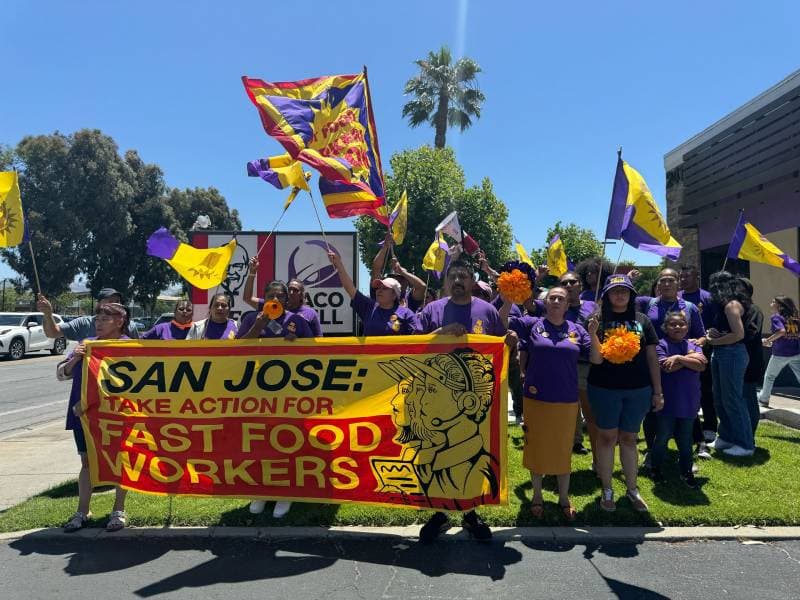
Yum Brands announced a strategic collaboration with NVIDIA to accelerate AI driven technology across its restaurant portfolio, including Taco Bell, Pizza Hut, KFC and Habit Burger. The move could speed service and give managers new analytics, while raising questions for hourly workers about changing job tasks and intensified real time performance monitoring.
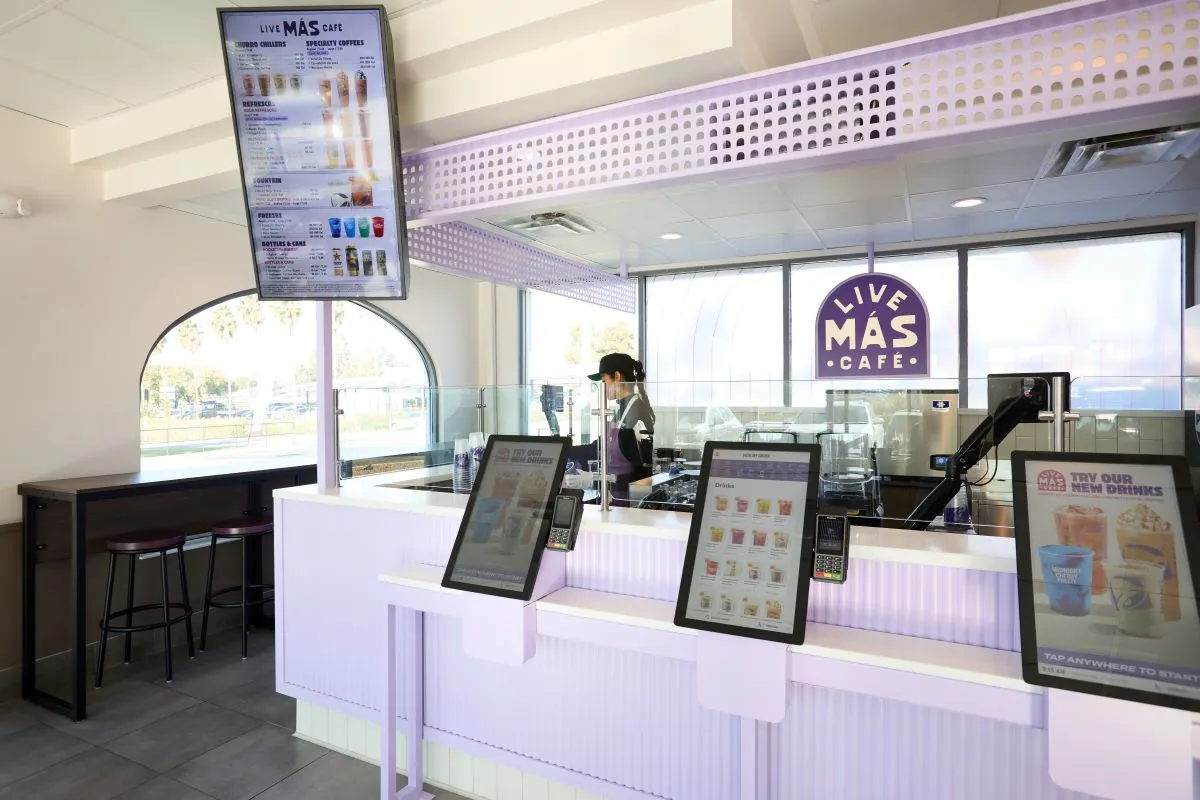
Yum Brands said it will integrate NVIDIA microservices into its proprietary Byte by Yum! platform to scale a suite of artificial intelligence tools that were piloted earlier this year in select Taco Bell and Pizza Hut locations. Company filings and industry coverage describe deployments that range from voice automated order taking to computer vision systems and restaurant level analytics designed to produce action plans and operational recommendations for managers.
Among the technologies the companies tested are voice automated order taking agents for drive thru lanes and call center operations using NVIDIA Riva and NIM microservices, computer vision to analyze operations for optimizing drive thru throughput and back of house workflows, and a set of restaurant level analytics branded as Accelerated Restaurant Intelligence. The computer vision tools are described as providing real time analytics and alerts tied to labor and kitchen operations, aiming to reduce friction in the kitchen and on the line.
Yum reported pilots earlier in the year and plans broader rollouts to roughly five hundred restaurants across its brands following successful testing. That phased scaling suggests the systems will move from experimental sites to more mainstream use over the coming months, with managers expected to receive operational recommendations generated by the analytics and staff interacting with intelligent order taking systems and monitoring dashboards.
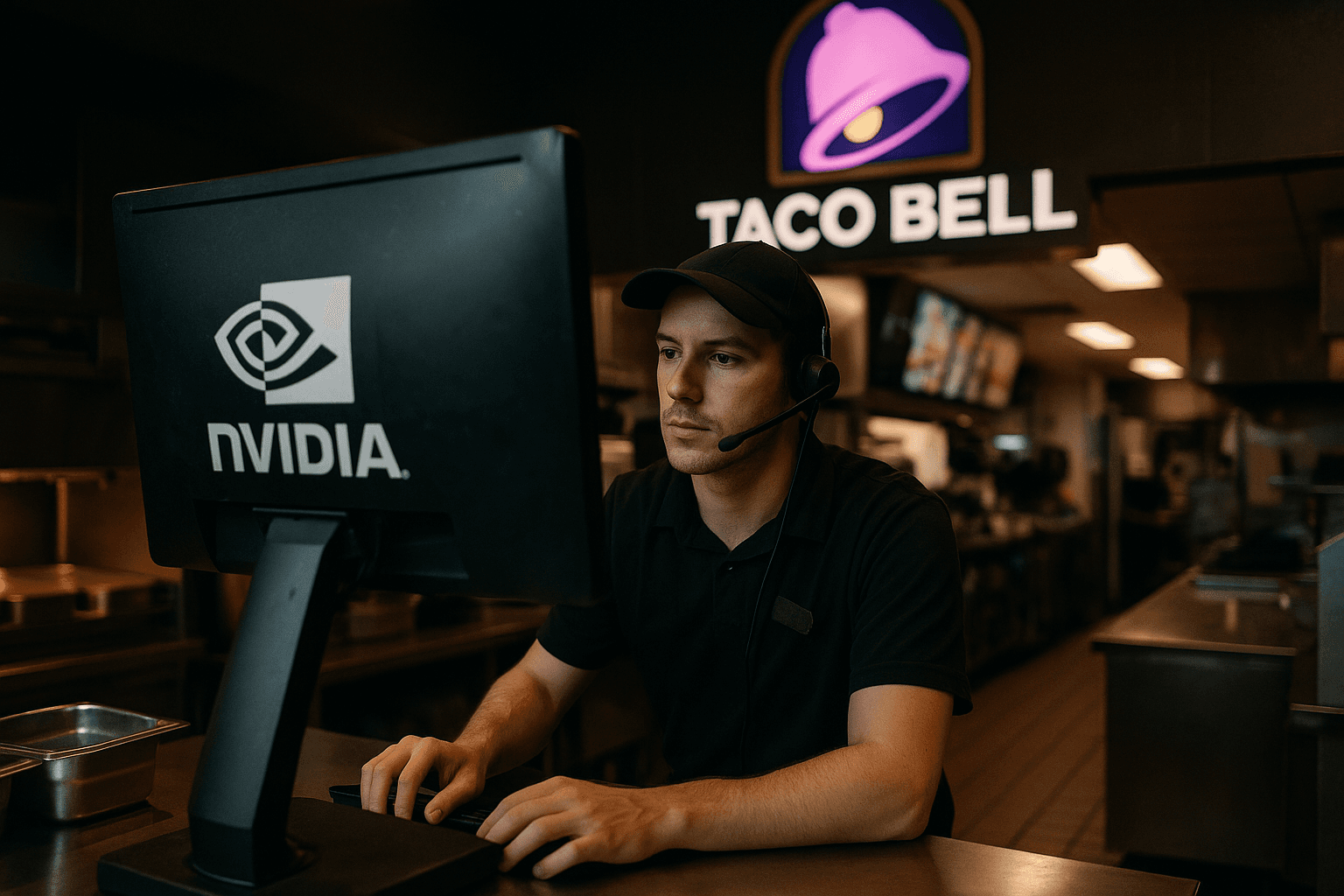
For employees the changes carry both potential benefits and risks. Faster order processing and clearer manager action plans could reduce bottlenecks and lower stress during peak periods. At the same time, the technologies could change job tasks, shift the balance of responsibilities between front of house and back of house staff, and enable closer real time measurement of individual and team performance. Workers may need new training to operate and troubleshoot AI driven systems, and managers will need to translate automated recommendations into staffing and scheduling decisions.
As restaurants move from pilot to rollout, labor advocates, store managers and hourly employees will be watching how the tools affect scheduling, performance evaluation and workplace safety. The initiative represents a major example of how AI is being layered into everyday service work, with implications for speed, oversight and the skills required on the restaurant floor.