Yurok forest-carbon project brings new revenue and habitat protections
The Climate Trust highlighted a Yurok Tribe forest-carbon project that generated offsets from roughly 8,000 acres, funding stewardship and protecting salmon habitat.
The Climate Trust on January 5, 2026 spotlighted the Yurok Tribe Sustainable Forest Project, a verified forest-carbon effort that improves management across roughly 8,000 acres of Yurok tribal land in Humboldt County. The project was among the first to produce offsets under California’s forestry protocol, creating a revenue stream that supports sustainable forest management while safeguarding cultural resources and habitat for salmon and other species.
This early example of carbon finance in northern California turns forest stewardship into a measurable climate asset. By generating verified carbon offsets, the project has produced marketable credits that can be sold under California’s cap-and-trade forestry rules. That income can be deployed locally for ongoing stewardship, offering a complementary revenue source to traditional forest-economy activities on tribal land.
The project’s verification status matters because it confirms claimed greenhouse gas reductions and bolsters buyer confidence in the credits. But the same verification and transaction processes that validate credits also raise costs and administrative burdens. Those barriers can be especially steep for small ownerships and tribal parcels, limiting participation unless markets and policy make room for scaled approaches or collective enrollment.
For Humboldt County the implications are practical and political. Practically, revenue from carbon offsets can fund activities that protect salmon runs and cultural sites while helping keep forests resilient to wildfire and disease. Politically, the project illuminates a broader policy debate: how to design standards and support mechanisms that let small and tribal landowners participate responsibly in carbon markets without being priced out by verification costs.
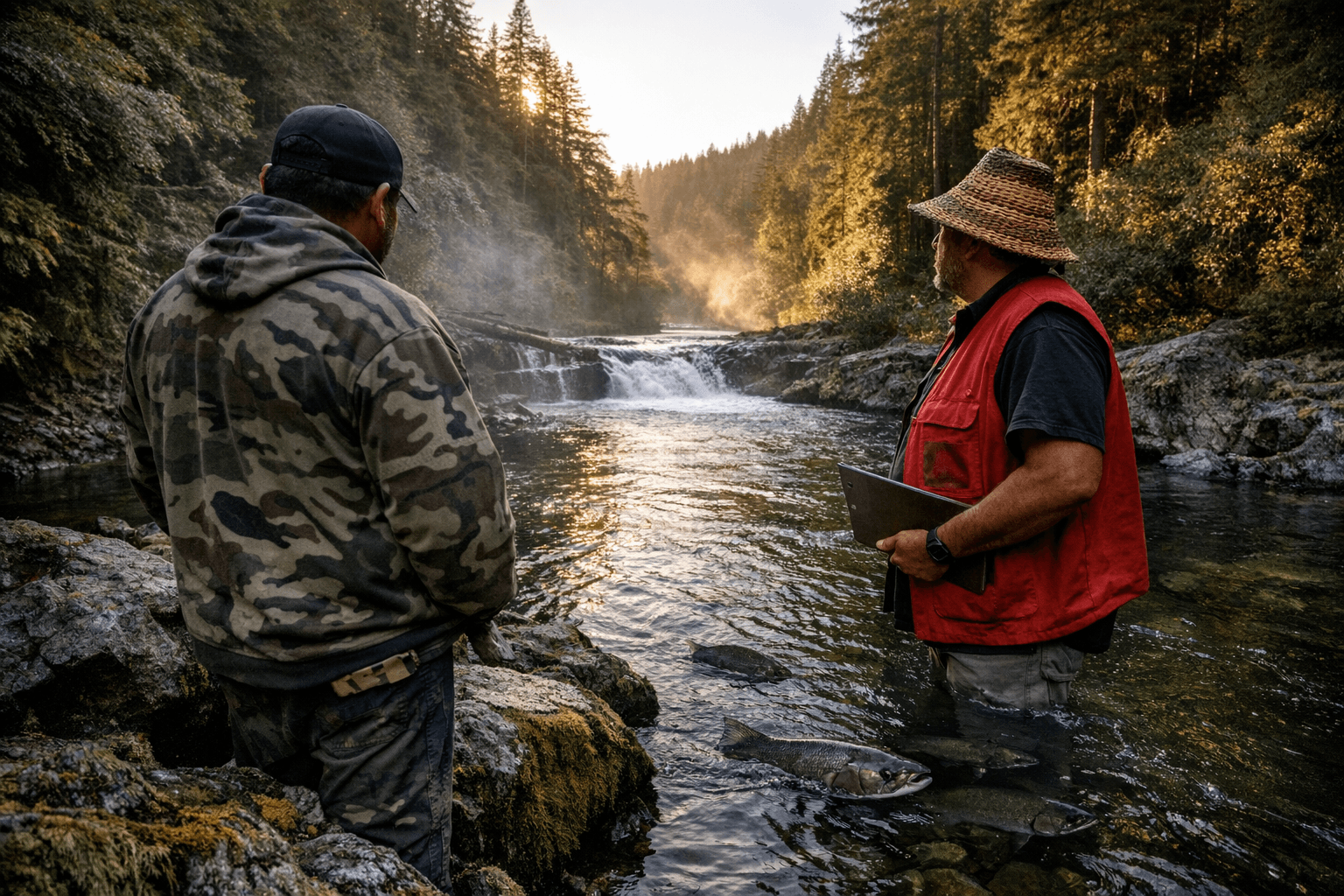
Market signals also matter for the local forest economy. Carbon finance can diversify income streams for working forests, reducing reliance on timber markets alone. For buyers, credits tied to tribal stewardship and habitat protections may carry added environmental and social value, increasing demand for high-quality, co-benefit credits. Whether that demand translates into sustained revenue for local projects will depend on market depth and how state policy evolves to lower entry costs.
The Yurok project serves as a regional proof point showing carbon markets can align climate objectives with tribal stewardship and habitat conservation. Scaling up will require clearer standards, lower per-acre transaction costs, and technical or financial assistance to aggregate smaller parcels.
Our two cents? Keep an eye on county and state rules that affect project enrollment and verification, and consider supporting tribal-led approaches that keep carbon dollars flowing back into local stewardship and salmon habitat work.
Sources:
Know something we missed? Have a correction or additional information?
Submit a Tip