16 independent marine suppliers every DIY sailor should know about
We compiled 16 independent marine suppliers offering niche fittings, specialist tech support, and small-batch repair materials for DIY boatowners.
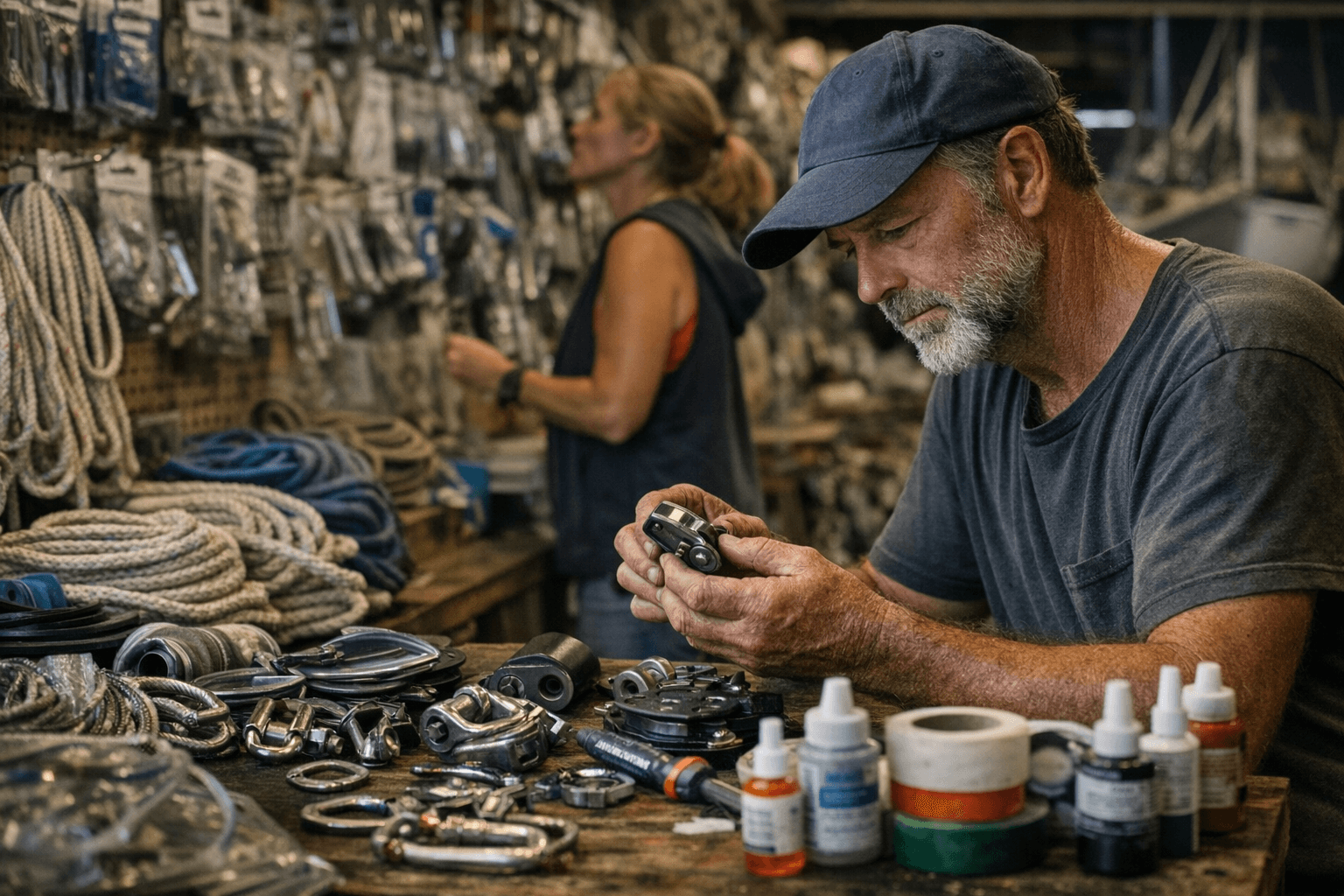
We compiled a curated list of 16 smaller and independent marine suppliers to help DIY sailors find parts and expertise that big-box stores and online giants often lack. The companies focus on niche inventories and hands-on tech support—rope and weaving specialists, canvas and sail hardware shops, marine electrical and electronics resellers, and small-batch gelcoat and repair material vendors. For anyone fixing rigs, rebuilding spreaders, sewing covers, or matching gelcoat, these suppliers can save time and headaches.
The value is straightforward: specialist stock and knowledgeable staff. Independent rope houses will splice and custom-size runs that eliminate chafe points and save you from buying oversized spools. Canvas and sail hardware shops carry uncommon fastenings, better fabrics, and offer cutting and measurement advice that keeps project costs down. Marine electrical resellers concentrate on marinized components and can steer you away from automotive parts that corrode in salt air. Small-batch gelcoat and repair-material vendors deliver closer color matches and repair kits that won’t come in a generic, one-size-fits-all formulation.
Practical use cases are immediate. Replacing a masthead fitting or sourcing a nonstandard shackle often requires parts with dimensional tolerances that chain chandlers don’t stock. When you need a custom line with a specific core-profile or UV treatment, a rope specialist will splice and finish to spec. Need a new companionway cover? A canvas shop can provide material swatches, measure for stretch and shrink, and recommend thread and seam treatments for long life. For electrical work, expect vendors to advise on circuit protection, connectors rated for marine use, and best practices for grounding on aluminum boats.
Expect trade-offs: lead times can be longer and prices sometimes higher than mass-market alternatives, but the payoff is reduced rework and fewer returns. Get the most from these suppliers by preparing measurements, hull or part photos, and part numbers if available. Ask about sample swatches, splice or sewing services, and shipping costs up front. For gelcoat repairs, request a small test patch to verify color match before committing to a full repair kit.
Local and online independents also keep tacit knowledge that matters—how a halyard behaves with a particular lubricant, which chafe sleeve works best at the spreader tang, or which connector type tolerates vibration on an outboard bracket. That expertise is often the difference between a repair that lasts and one that comes back.
Our two cents? Build relationships now: call with measurements, buy a sample, and support the specialists who keep your boat sailing smarter. The payoff is fewer surprises and repairs that actually stick.
Sources:
Know something we missed? Have a correction or additional information?
Submit a Tip