DIY sailors report winter refits and practical how-to tips
Dozens of DIY sailors shared winter refits and upgrades, offering hands-on tips and warning signs that help others plan parts, tools, and timelines.

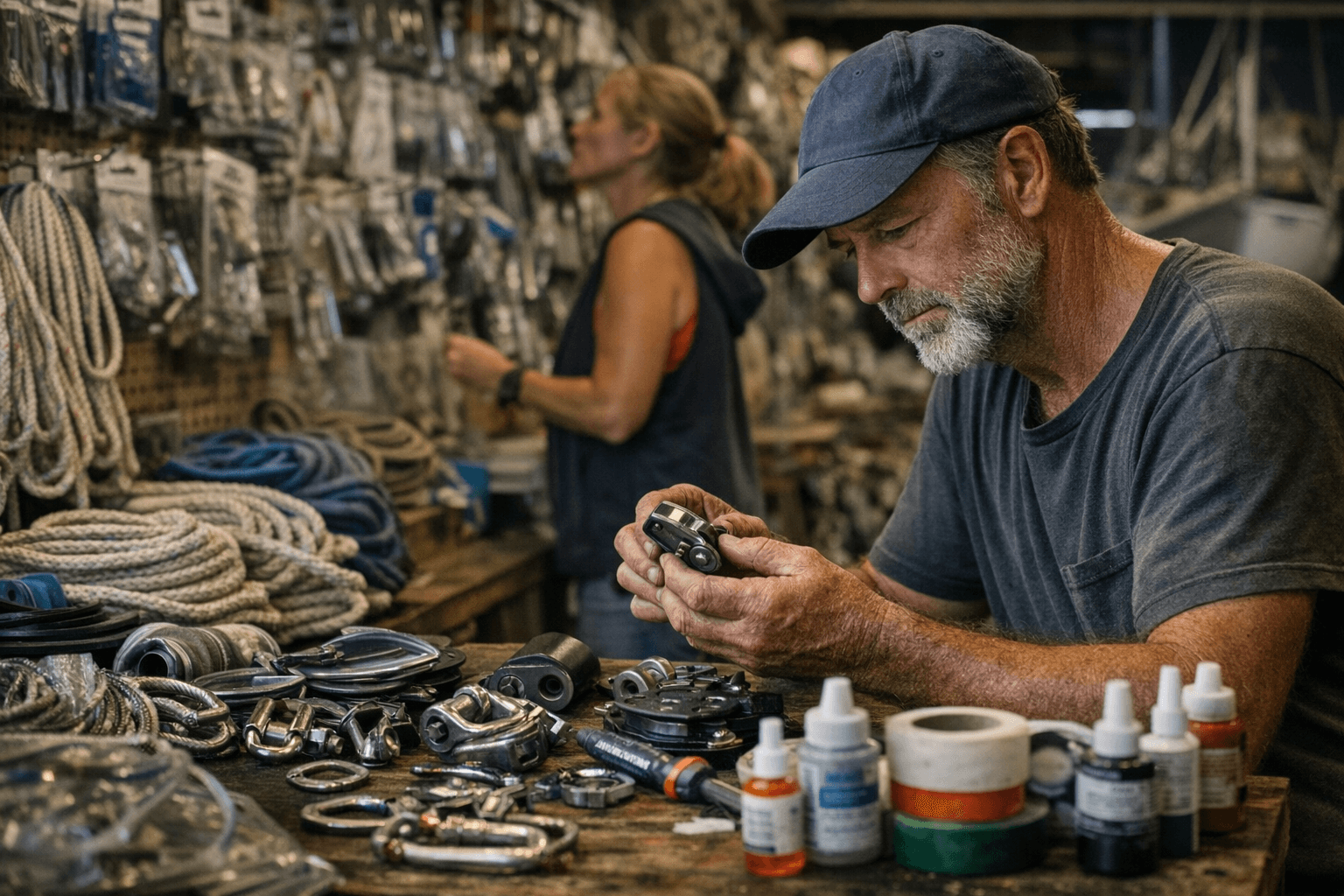
Dozens of DIY sailors logged their winter projects in a lively community thread earlier this month, creating a real-time snapshot of what boatowners are actually tackling this season. The posts spanned quick fixes like impeller swaps and bilge pump replacements to multi-week refits including lithium battery conversions and keel-bolt work, giving other DIYers concrete ideas for parts lists and schedules.
Common, safety-critical jobs appeared at the top of many lists: impeller and bilge pump replacement, stern gland service, and addressing aged hoses and patched bilge lines. Those posts served as a reminder that small, inexpensive parts often have outsized consequences. Electronics upgrades and depth transducer work showed up alongside diesel heater installs, signaling that owners are preparing boats for extended cold-weather use and improved off-grid capability.
Replies moved beyond status updates and read like a communal how-to: recommendations about sequencing tasks to avoid rework, warnings about common gotchas such as brittle fuel and water hoses, and practical tools and parts to bring to the yard. Several sailors reported scope creep — projects that started as a weekend task and ballooned into weeks when hidden corrosion, frozen fasteners, or multiple failed components surfaced. That pattern is particularly relevant for anyone planning a winter refit: add contingency time and a spare parts budget.
Canvas and cockpit shelter work also featured heavily. DIY dodger fabrication and custom canvas projects were in many lists, including revarnishing, sail repairs, and new dodgers or hoods. These jobs often interact with hardware and electronics work, which is why the thread stressed sequencing—finish structural and deck penetrations before fitting custom canvas to avoid redoing cutouts or reinforcements.

Battery conversions to lithium and other electrical upgrades showed a growing trend toward lighter, higher-capacity systems. Several posts included recommended parts and installation notes, while others emphasized the need for proper charging integration and ventilation planning.
For practical planning, treat the thread as a parts-and-time checklist: prioritize systems that affect safety and seaworthiness, carry extra hoses and clamps, and assume at least one unexpected repair per major task. Keep a running parts list and lock down tool availability before you haul out; a stuck keel bolt or a seized stern gland nut can turn a three-day job into a three-week saga.
Our two cents? Start with the basics that keep you afloat, budget for scope creep, and order spares now while shops still have stock. A little forward planning saves a lot of cold-weather frustration.
Sources:
Know something we missed? Have a correction or additional information?
Submit a Tip