2026 Declared Year of Our Coastal Kuleana to Boost Stewardship
Governor Josh Green proclaimed 2026 the Year of Our Coastal Kuleana, launching a statewide campaign to mobilize residents to protect beaches, reefs and coastal habitats.
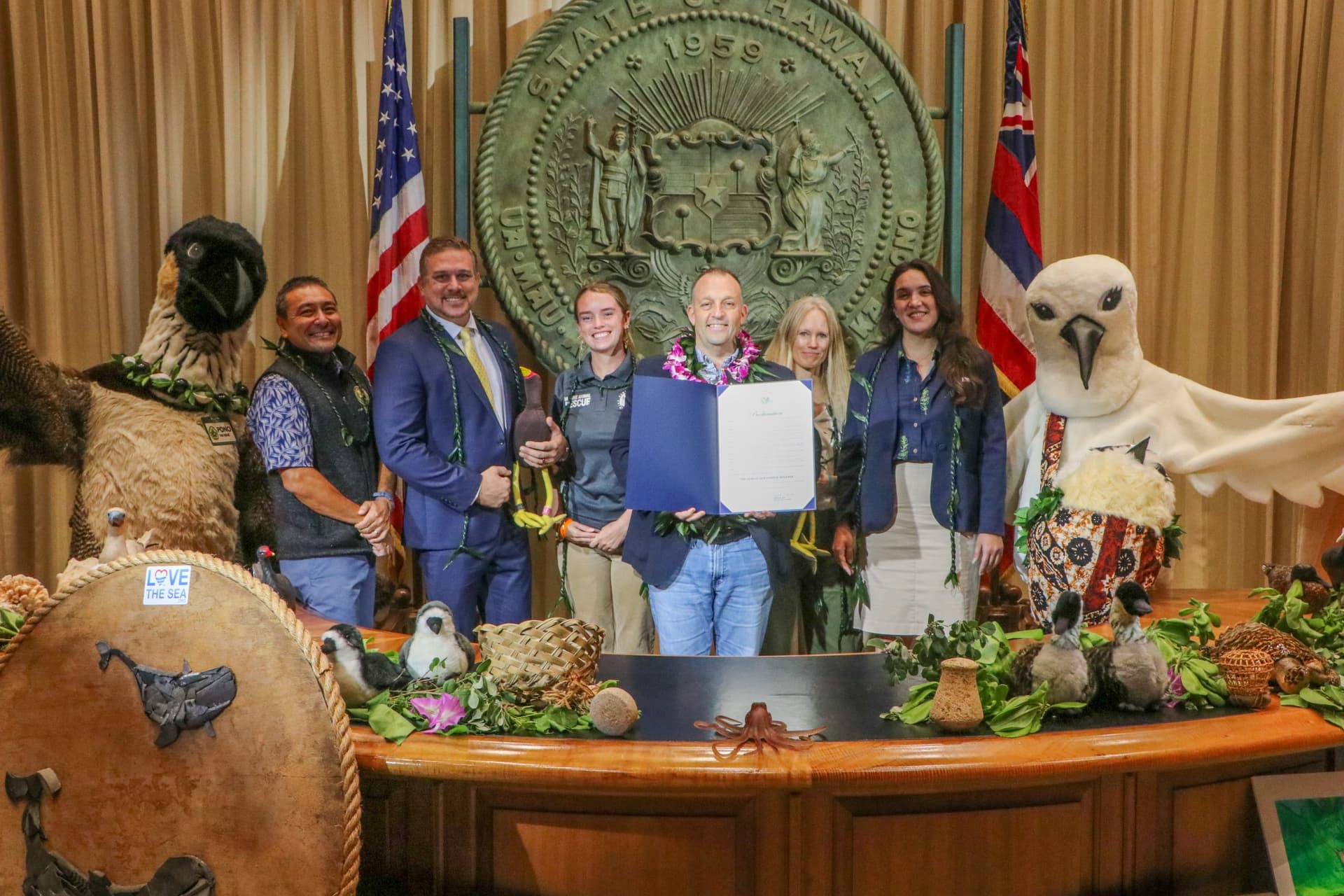
State leaders and community partners kicked off a year-long campaign on Jan. 10 to call attention to coastal stewardship across Hawaiʻi, with specific outreach aimed at Big Island County residents. Governor Josh Green signed a proclamation declaring 2026 the Year of Our Coastal Kuleana, a partnership between the Hawaiʻi Department of Land and Natural Resources and numerous nonprofit and community organizations to promote education, volunteerism, responsible recreation and conservation.
The campaign centers on the Hawaiian principle of kuleana - shared responsibility - and uses the concept of kākou to emphasize collective action for beaches, reefs and coastal habitats. DLNR publicized the proclamation and program launch Jan. 9–10, and the administration said the effort will marshal outreach, volunteer cleanup opportunities and cross-division coordination to show residents practical ways to protect coastal ecosystems.
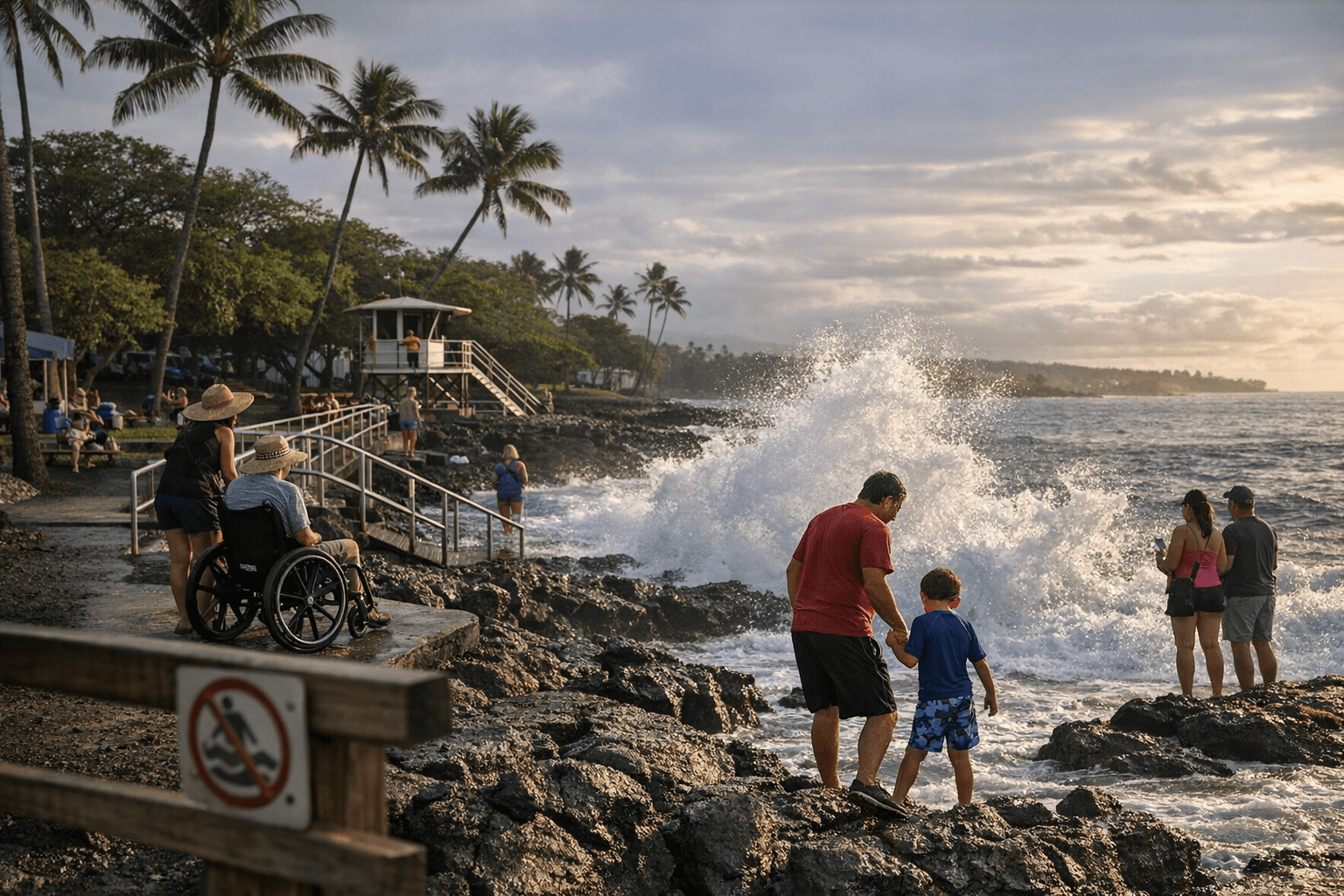
For Big Island communities, the initiative matters on multiple fronts. Coastal areas are cultural gathering places, sources of subsistence and central to the visitor economy that supports local jobs. Increased volunteer cleanups and educational programs aim to reduce marine debris, limit damage to coral reef systems from improper recreation and bolster nearshore water quality that supports both fisheries and tourism. Over the long term, improved stewardship can lower costs tied to reef degradation and shoreline decline by preserving natural coastal defenses and the economic activity they sustain.
Policy implications are as important as public participation. By asking DLNR divisions to work together with nonprofits and community groups, the proclamation sets a framework for coordinated outreach and targeted conservation activities without creating new legislation. The campaign could influence agency priorities, shaping where enforcement, public education and restoration efforts are concentrated during 2026. For local governments and service providers, greater volunteer mobilization may ease the burden of routine cleanup work and create more durable community stewardship networks.
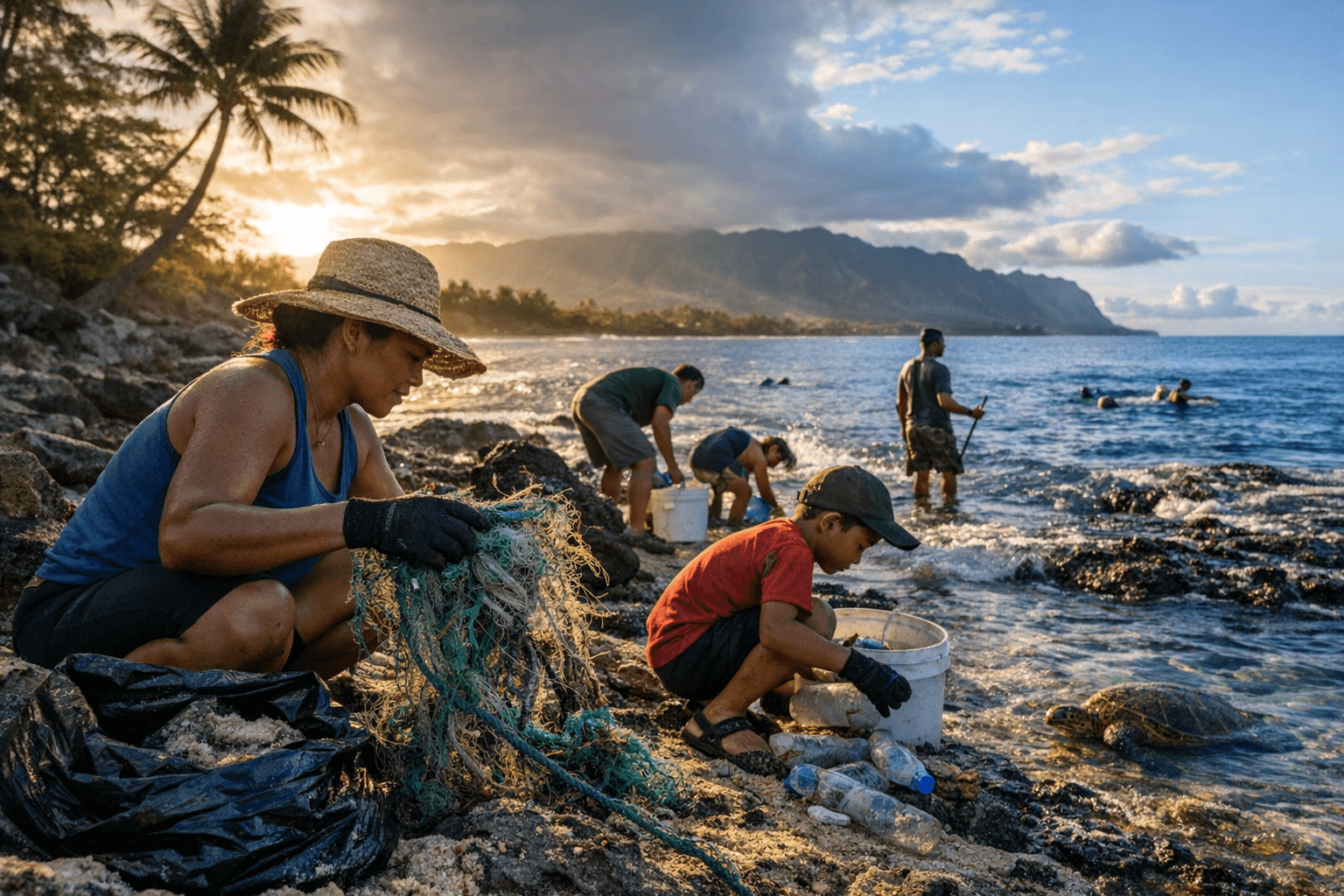
Residents should expect a steady calendar of events and chances to get involved across the island during the year. Outreach will include hands-on cleanups, educational sessions on responsible recreation and information on how everyday choices affect reefs and beaches. Practical steps—packing out trash, using reef-safe sunscreen, respecting closures and giving native vegetation a chance to recover—are simple actions that add up when adopted kākou.
Our two cents? Treat this year as an opportunity to turn island pride into measurable care for the coastline: join a cleanup, learn one new reef-safe practice and encourage your neighbors to do the same. Small, consistent actions are the best defense for the coast we all depend on.
Sources:
Know something we missed? Have a correction or additional information?
Submit a Tip