Volcano park issues safety primer as vog and weather hazards persist
Hawai‘i Volcanoes National Park urges visitors to check conditions and follow safety guidance to protect health and avoid closures.
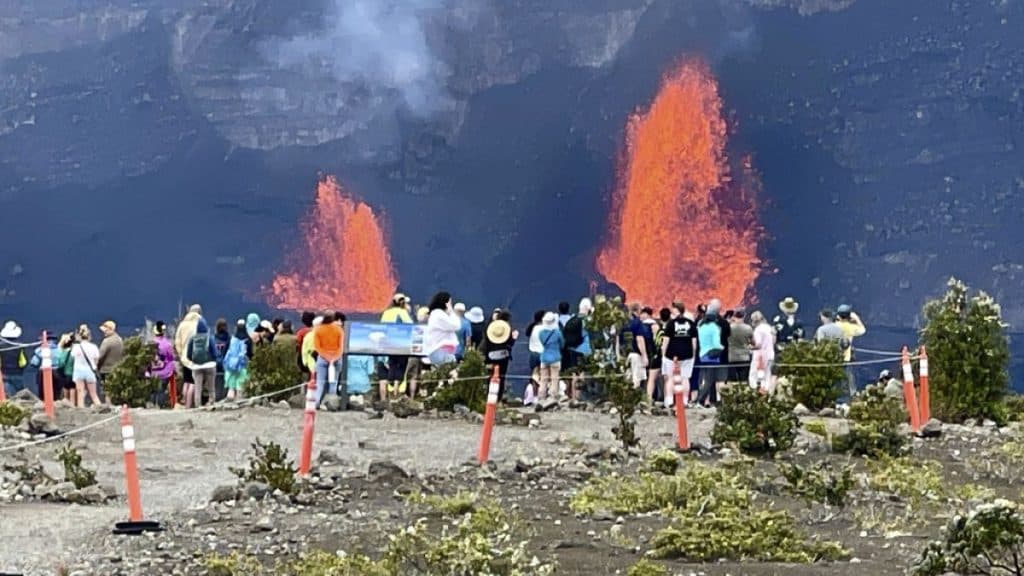
Hawai‘i Volcanoes National Park is reminding residents and visitors that conditions can change rapidly across the island — from sea level to the summit where Kīlauea and Mauna Loa shape the landscape — and that checking official alerts before travel is essential for safety and health.
Park managers and rangers advise people to consult the park’s official conditions and alerts for information on summit and crater activity, trail and road closures, and air quality or vog advisories. Closed areas should be respected and active vents must not be approached. These are not just rules for tourists; they protect residents, front-line workers and emergency responders who provide search-and-rescue, medical care and public safety across Big Island County.
Air quality is a public-health concern when volcanic emissions drift over populated areas. Vog and poor air quality can aggravate asthma, chronic obstructive pulmonary disease and other respiratory conditions, particularly among keiki, kupuna and people with limited access to regular medical care. Local clinics and public-health officials rely on timely park alerts so they can issue guidance and staff up during periods of heightened exposure.
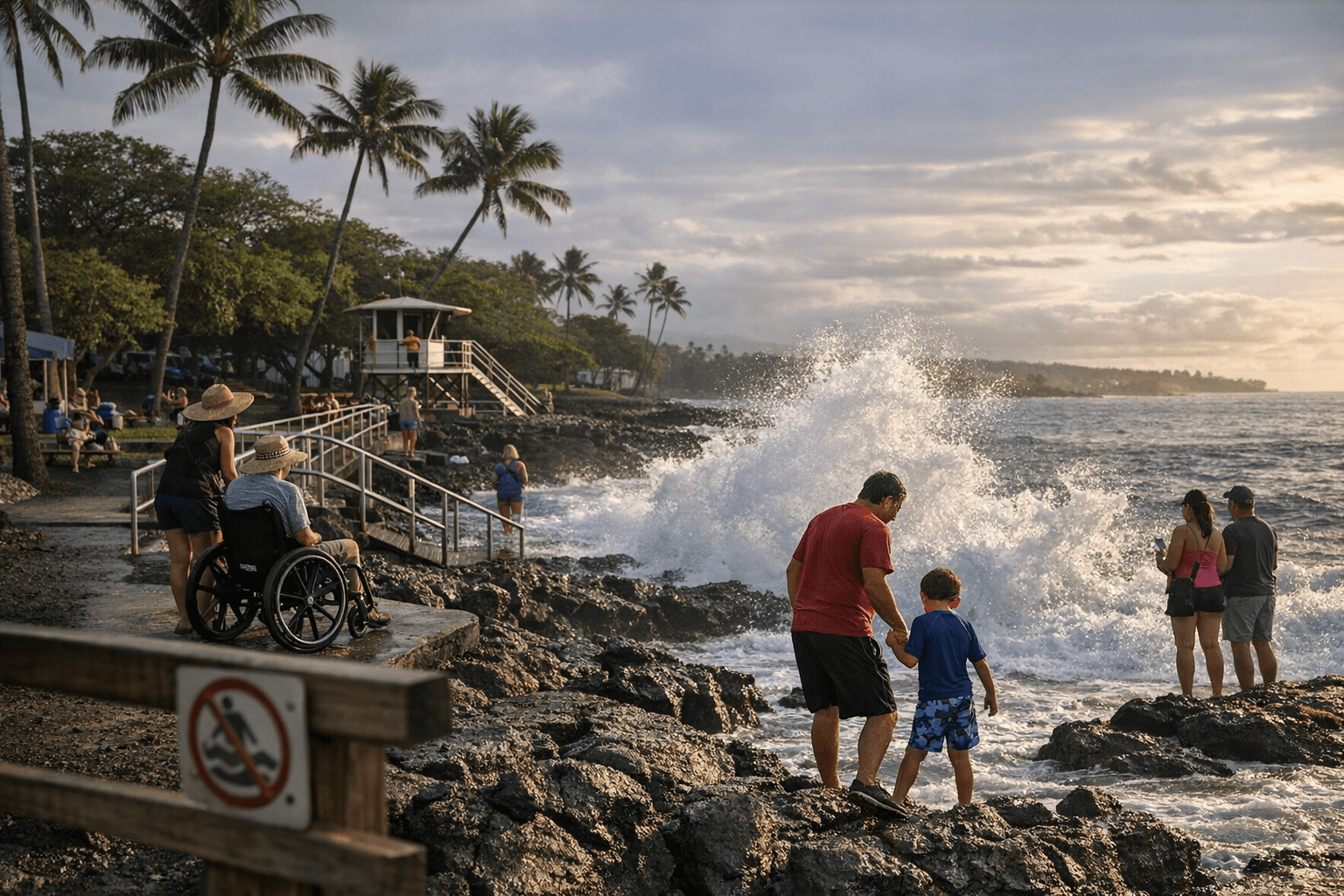
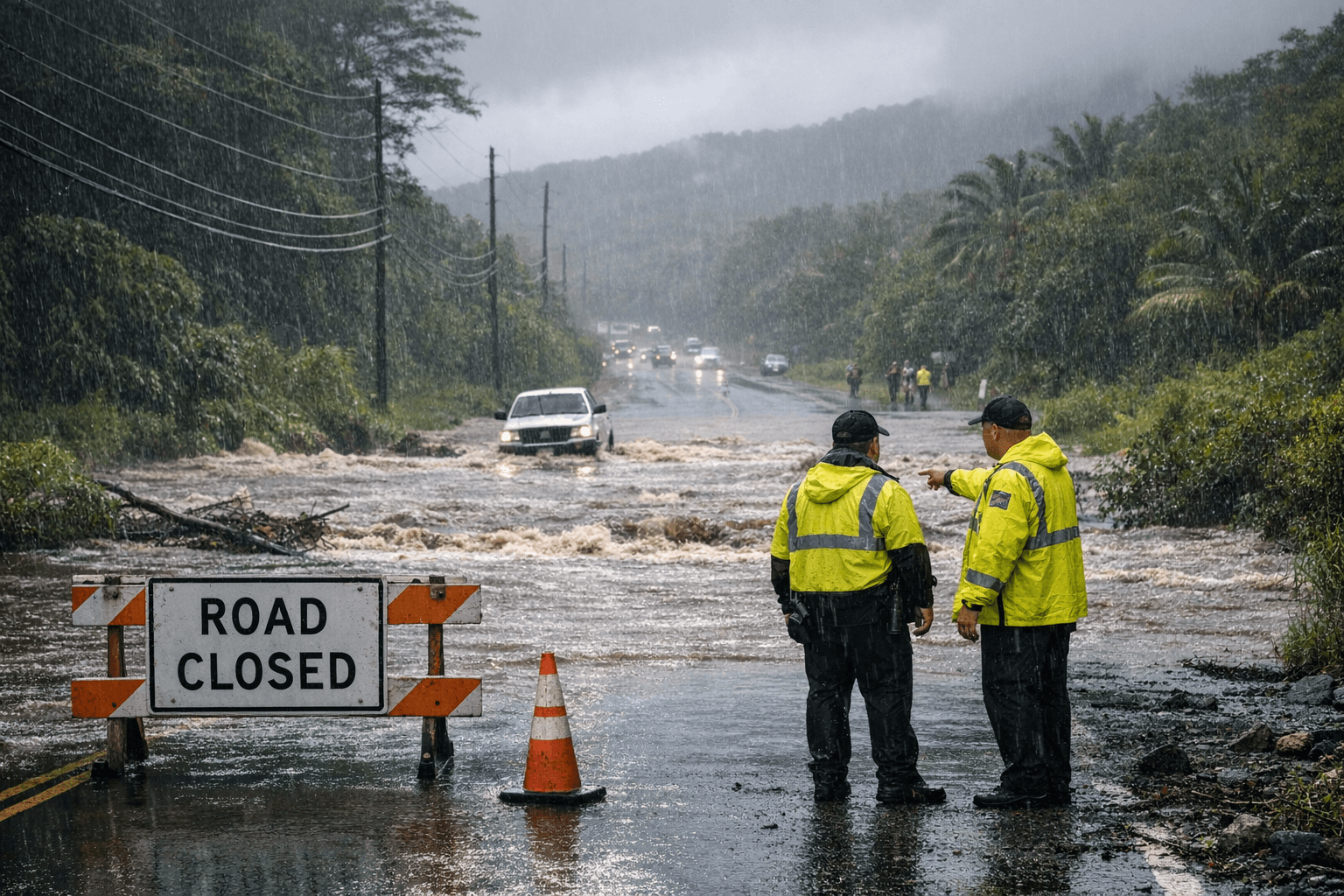
Practical preparation matters. Visitors should bring layered clothing because temperatures vary widely with elevation, carry adequate water and wear sturdy footwear suitable for uneven lava terrain. Be ready for sudden weather changes and follow all National Park Service safety guidance when viewing volcanic features or accessing coastal areas. The park also runs education and ranger programs, including events tied to Volcano Awareness Month, that explain hazards and safer viewing practices for families and community groups.
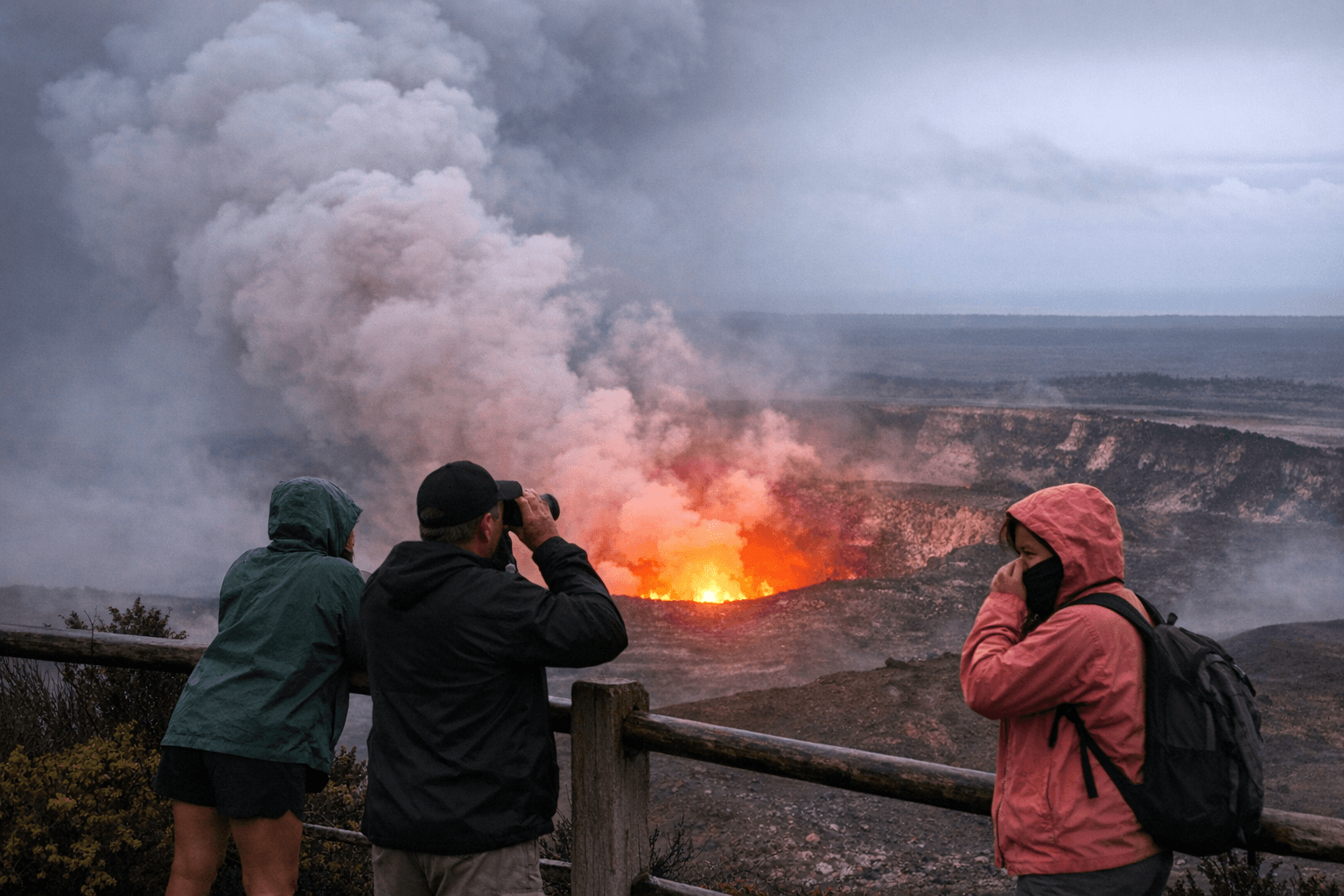
Beyond immediate safety, these conditions intersect with broader community issues. Tourism drives local jobs and small-business income in Hilo, Puna and Kona, but closures and safety advisories can cut foot traffic and strain seasonal workers who lack paid leave or access to affordable health care. Language access, transportation barriers and the cost of protective gear or alternate housing during prolonged vog events also shape who bears the greatest risk. County and state health officials, park staff and community organizations therefore play roles in outreach and resource coordination to serve vulnerable residents.
The park’s guidance is straightforward and practical: check conditions, respect closures, avoid active vents, and prepare for changing weather and air quality. Our two cents? Treat a visit like a short trek into different microclimates—plan ahead, pack water and layers, and check alerts before you go. Looking out for neighbors with breathing problems and supporting local workers affected by closures helps the whole island weather the heat.
Sources:
Know something we missed? Have a correction or additional information?
Submit a Tip