Big Island glass artist blends driftwood into stained glass
An Artist Spotlight on Jan. 7 highlighted Lindsay Dennis's island-inspired stained-glass and driftwood pieces, now sold locally and linking craft to island ecology.
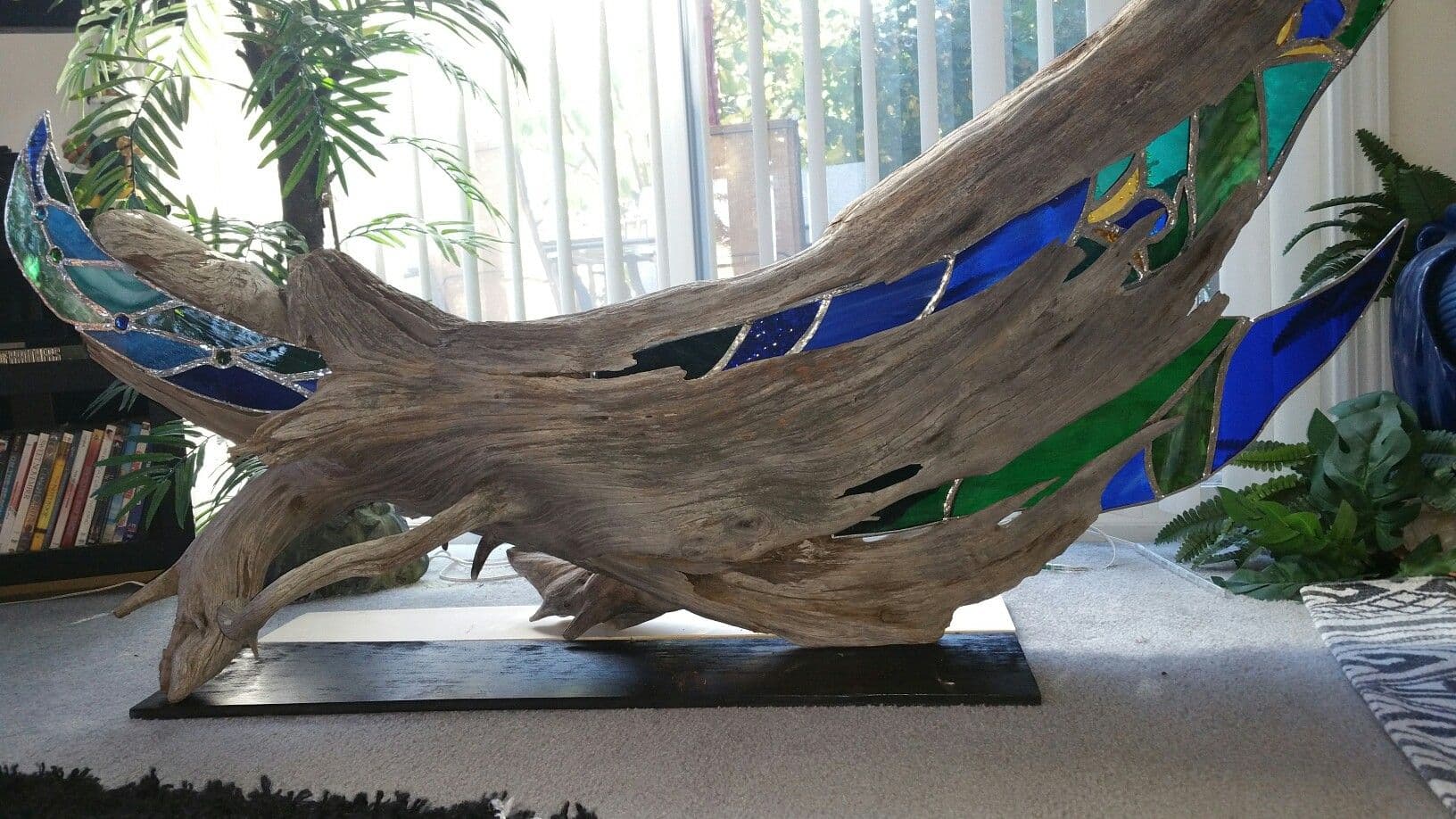
Big Island glass artist Lindsay Dennis was featured in an Artist Spotlight on Jan. 7, bringing attention to a studio practice rooted in Hawaiʻi Island's ocean, rainforest and island life. The profile traced Dennis's work from traditional stained glass into recent experiments that incorporate driftwood and native woods, noting local availability at Kona Treehouse and Mauna Lani Auberge.
Dennis's work blends classic leaded glass techniques with found and foraged materials. The shift toward driftwood and native woods reframes familiar island motifs—waves, leaves and coastal light—in a mixed-media language that speaks to both residents and visitors. The profile emphasized her hands-on process and strong community ties, showing how a single maker on the island can connect studio practice to retail partners and neighborhood networks.
For Big Island residents, the immediate impact is local: shoppers can find Dennis's pieces at Kona Treehouse, a community-minded retail spot, and at Mauna Lani Auberge, which serves a different customer set that includes resort guests. That distribution mix matters economically. Placing work in both a local boutique and a resort-adjacent setting broadens revenue streams for independent makers, smoothing seasonal swings tied to visitor flows and providing more stable household income for artisans.
There are broader market and policy implications. The use of driftwood and native woods responds to a growing consumer preference for materials with place-based stories and perceived sustainability. At the same time, increased demand for native timber or beach-sourced wood raises questions about sourcing practices and long-term availability. For policymakers and community stewards, the lesson is to anticipate supply pressures and to craft clear guidance or partnerships that enable artists to work sustainably—whether through permissions for collected materials, donation programs, or collaboration with land managers and cultural practitioners.
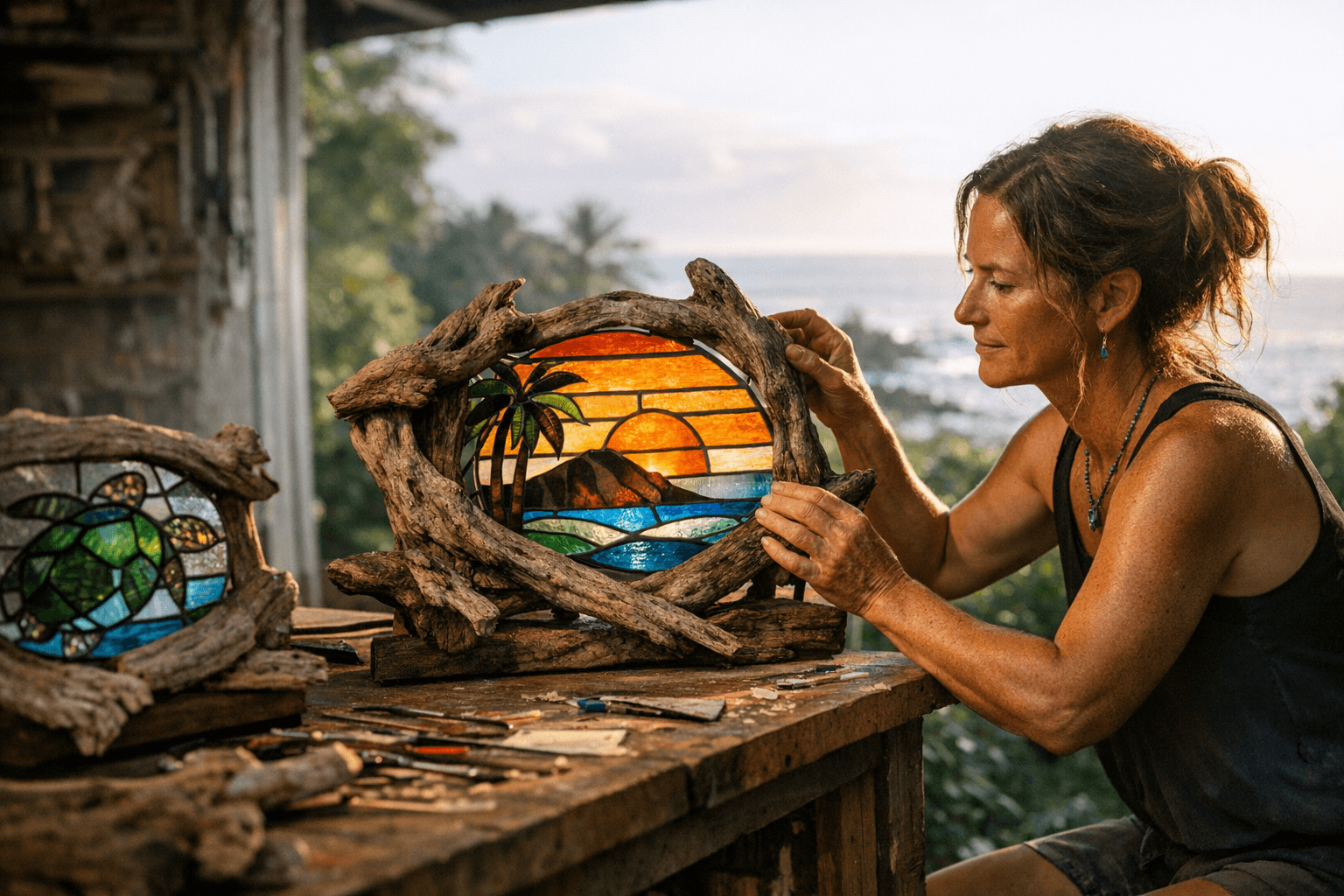
Culturally, profiles like this do more than sell objects; they elevate craft as an economic anchor in the island's creative economy. Spotlighting process and provenance helps buyers make informed choices and strengthens the local market for handmade goods, which tends to retain a larger share of spending in the community than mass-produced imports.
The takeaway? Supporting makers means more than a purchase—ask where materials come from, buy from neighborhood shops like Kona Treehouse when you can, and consider commissioning local work. Our two cents? A small investment in island-made art keeps money ma ka ʻāina—close to home—and helps nurture practices that honor both craft and place.
Sources:
Know something we missed? Have a correction or additional information?
Submit a Tip