Advisory Panel Shifts to Pregnancy Testing Strategy, Threatens Universal Hepatitis B Birth Dose
A Centers for Disease Control and Prevention advisory panel voted to pivot from a universal newborn hepatitis B birth dose to a strategy focused on prenatal maternal testing, triggering immediate concern from pediatric and obstetric groups. Critics warn the change could reopen pathways for perinatal transmission and amplify inequities if pregnant people miss testing or acquire infection after screening.
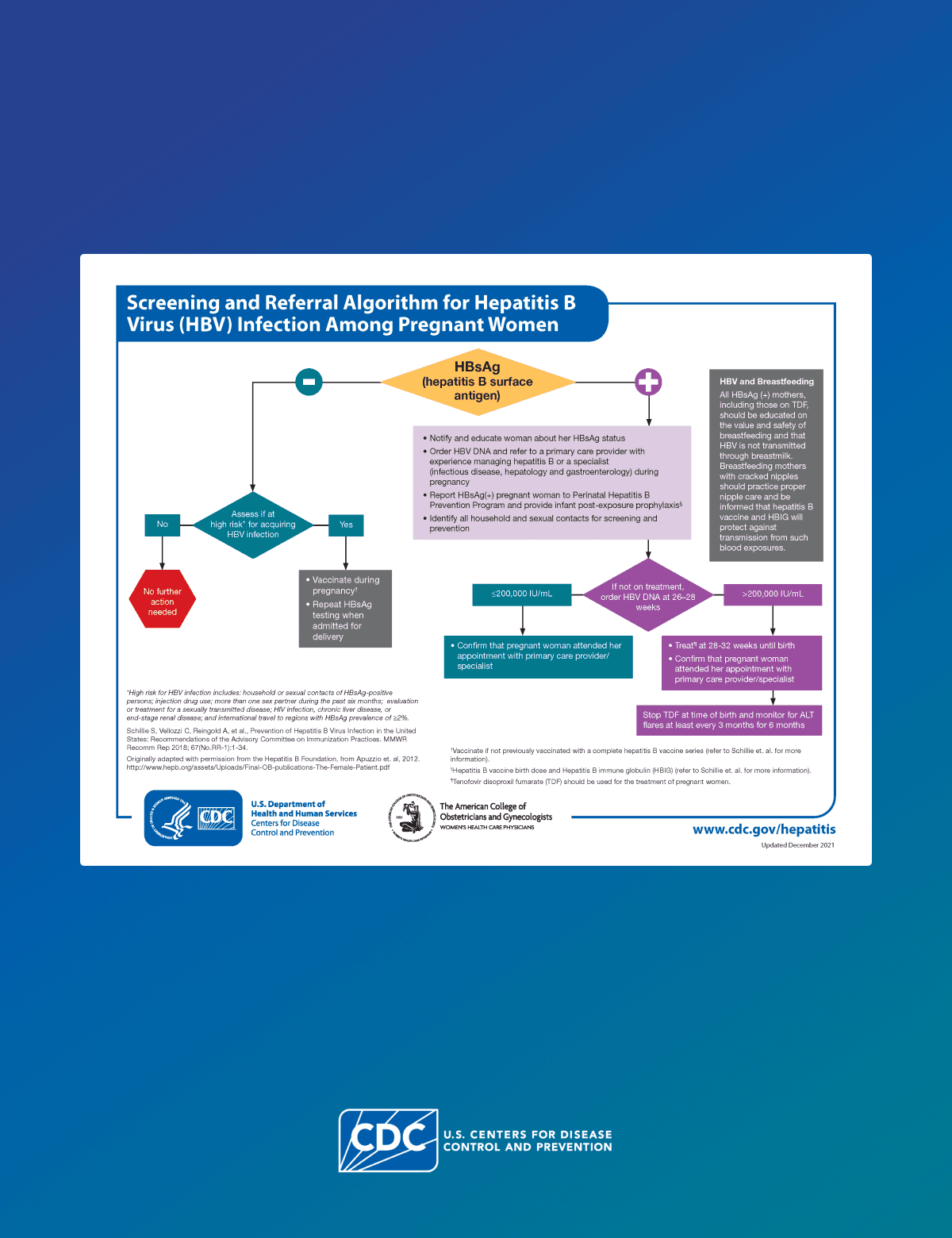
A federal advisory committee to the Centers for Disease Control and Prevention voted on December 10 to emphasize prenatal screening for hepatitis B as the central strategy to prevent perinatal infection, moving away from the decades long practice of recommending a universal hepatitis B vaccine dose at birth for all infants. Under the panel guidance, newborns whose mothers test positive during pregnancy would receive immediate post exposure prophylaxis, while infants whose mothers test negative would not automatically receive the birth dose and the timing of vaccination would be left to clinician judgement.
The vote represents a marked reversal of long standing policy that many public health experts credit with virtually eliminating perinatal hepatitis B transmission in the United States. Pediatric and obstetric professional societies quickly voiced alarm, saying that a testing based approach risks missed infections when pregnant people do not receive timely prenatal care, when test results are not available at delivery, or when infection is acquired after routine prenatal screening.
Advocates for universal vaccination have repeatedly pointed to the reliability of the birth dose as a safety net that does not depend on prenatal testing pathways, which can be fragmented. Public health officials also warned that shifting the default away from immediate vaccination could introduce variability in clinical practice, with different clinicians and hospitals adopting different schedules and criteria, increasing the chances that vulnerable infants will not receive timely protection.
The committee urged that newborns of mothers who test positive receive immediate post exposure prophylaxis. For infants of mothers who test negative, the committee recommended that decisions about administering the vaccine at birth be individualized and made in consultation with clinicians. The Centers for Disease Control and Prevention director customarily reviews recommendations issued by the advisory committee before any change becomes official policy.
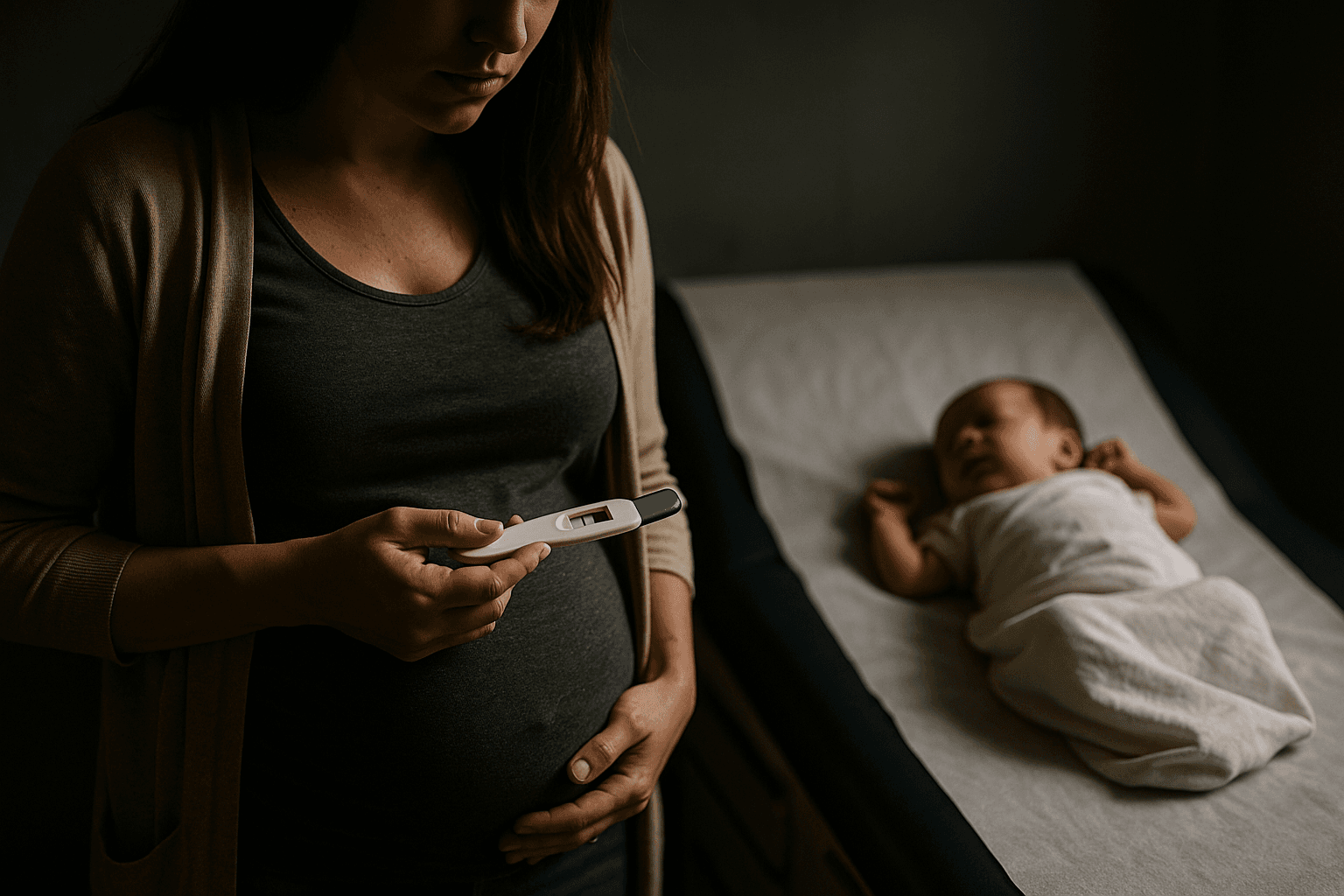
Opponents of the change have underscored practical and ethical concerns. Prenatal testing is not uniformly accessible, and gaps are more pronounced among marginalized populations including those with limited access to health care, people who seek prenatal care late or not at all, and communities facing language and immigration related barriers. In those settings the birth dose has functioned as a universal safeguard that reduces disparities by protecting infants whose mothers lack adequate prenatal testing.
Clinicians and hospital systems are likely to face operational questions if the recommendation is adopted as written, including how to verify maternal test results at delivery, how to document decisions to defer the birth dose, and how to ensure timely follow up for infants deemed at lower immediate risk. Public health officials will also be watching for any early signals that the change affects rates of perinatal hepatitis B, which carries lifelong risks including chronic infection, cirrhosis, and liver cancer.
The CDC director will review the advisory committee decision before any final policy changes are announced. The outcome will shape the frontline approach to prevention of a virus that previously was curtailed in the United States through a simple, widely implemented intervention given at birth.
Sources:
Know something we missed? Have a correction or additional information?
Submit a Tip