Zealand Pharma Accelerates Obesity Drug Push, Opens Boston AI Hub
Zealand Pharma announces an accelerated strategy to advance obesity and metabolic disease drug candidates, combining peptide know how with AI driven discovery at a new Boston research site. The move fast forwards petrelintide, developed with Roche, with a midstage trial readout due in the first quarter of 2026 and includes a collaboration with OTR Therapeutics featuring upfront and milestone payments.
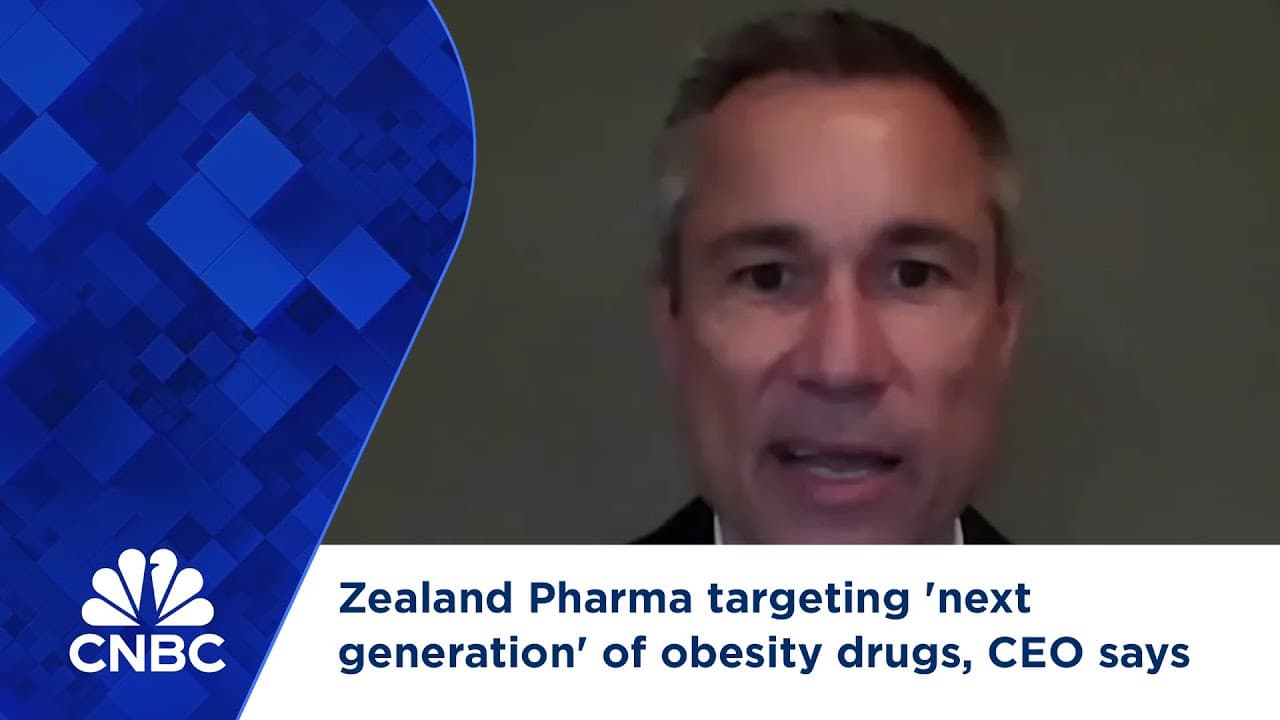
Zealand Pharma announces an accelerated development plan for its obesity and metabolic disease programs and will open a new research site in Boston that pairs the companys peptide expertise with AI driven discovery tools. The Danish biotech characterized the shift as a bid to move more quickly in a crowded market where GLP 1 and related therapies have become multibillion dollar products and investor expectations for rapid progress are intense.
Central to Zealand's strategy is petrelintide, a candidate developed in collaboration with Roche that Reuters identified as the companys leading asset. Zealand says it expects midstage trial data for petrelintide in the first quarter of 2026. The timetable puts Zealand on a tight development schedule designed to produce a clinically meaningful readout and to position the company competitively as larger firms and newer entrants race to expand the obesity treatment landscape.
Zealand also disclosed a partnership with China's OTR Therapeutics intended to broaden development and commercialization options. The arrangement includes upfront and milestone payments, providing Zealand with non equity financing milestones that can support accelerated clinical work and the build out of research capabilities. The company did not disclose financial terms as part of the announcement.
The Boston site is intended to marry decades of peptide chemistry know how with computational screening and AI enabled design. Zealand executives said the new center will focus on shortening discovery timelines, optimizing peptide stability and selectivity, and generating candidate molecules that can move into the clinic more rapidly. The decision to locate the facility in Boston reflects the region's dense talent pool in both biologics and machine learning and its proximity to academic labs and contract research organizations.

Investors have pressured smaller biotech companies to show speed and decisive partnerships as the field for obesity medicines evolves from single molecule breakthroughs to a suite of combination and next generation therapies. For firms like Zealand, timely data from midstage trials can reshape valuations and attract further alliance interest from larger pharmaceutical companies with global development and commercial infrastructure.
The strategy carries both scientific opportunity and risk. Accelerating development and integrating AI based discovery tools can reduce time to lead candidates, but does not eliminate the inherent uncertainties of late stage clinical testing. Safety, long term efficacy, and regulatory scrutiny remain pivotal hurdles for obesity therapies, and any midstage success will need confirmation in larger trials and real world use.
The broader societal questions around accessibility and cost for novel obesity medicines also follow. As smaller companies push to bring new candidates forward, payers and policymakers will confront decisions about who can access these treatments and at what price. Zealand's moves underline how scientific innovation, investor pressure, and global partnerships are converging in the high stakes effort to reshape obesity care.
Sources:
Know something we missed? Have a correction or additional information?
Submit a Tip