Airbus Faces A320 Crisis, Software Bug and Panel Defects
Airbus this week confronted two separate faults that underscore the risks of relying heavily on a single aircraft family, forcing the company to cut deliveries and prompting fresh scrutiny of suppliers and avionics. The twin problems matter to airlines, investors and regulators because they threaten near term production targets, raise repair and compensation costs, and highlight deeper supply chain vulnerabilities.
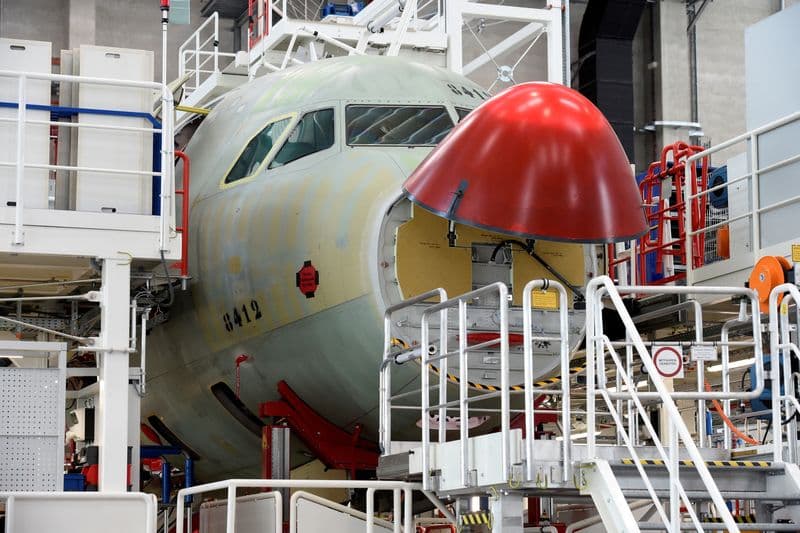
A close sequence of technical failures placed Airbus under intense pressure on December 5, as the company grappled with a software anomaly on A320 flight controls and, days later, the discovery of defective fuselage panels from a supplier. The events prompted Airbus to advise operators to revert a recent software update after a JetBlue A320 experienced an abrupt nose down movement, a malfunction journalists and engineers have dubbed the Icarus bug. Separately Airbus said faults in fuselage panels would force it to cut its delivery target by around 4 percent and delay some November handovers.
Airbus described the flight control incident as involving a flight control computer and engineers examined a theoretical vulnerability in which rare interactions with space weather could alter software behaviour. In avionics engineering terms this is consistent with what is known as a single event upset, where high energy particles can flip bits in electronic systems and in very rare circumstances produce unexpected outcomes. Airlines were instructed to roll back the update while Airbus and its partners work on a software fix and expanded testing.
The panel problem is rooted in metallurgical or quality control failures at a supplier, Airbus said, creating a manufacturing bottleneck in fuselage assembly. That defect forced a tightening of delivery schedules for a model line that represents the backbone of narrow body production for both Airbus and the industry broadly. Cutting the delivery target by roughly 4 percent in a market that is already operating with thin spare capacity has immediate commercial and operational consequences for carriers that planned to induct fresh aircraft into dense winter schedules.
For investors the two issues are immediately notable because they affect both near term cash flow and longer run confidence in Airbus execution. Market participants have flagged the combination of a rare software vulnerability and a supplier quality lapse as emblematic of concentration risk when a large share of production depends on a single platform. Airlines face schedule disruption, potential lease and compensation negotiations, and the extra costs of inspections and retrofit work.

Regulatory scrutiny is likely to intensify as airworthiness authorities assess both the avionics anomaly and the supplier failure. Aviation regulators typically demand root cause analysis and corrective actions before clearing software changes or certifying suspect components for service. That process can extend timelines for fixes and complicate deliveries.
The twin problems expose policy and strategic tradeoffs for manufacturers and regulators. Technical responses will include tougher radiation resilience testing for critical flight control software, deeper auditing of supplier metallurgy and quality systems, and potential redesigns of critical components to reduce systemic vulnerability. Strategic responses will address supply chain resilience, including diversifying sources and increasing buffer inventories.
In broader economic terms the episode underscores the industry trend toward a small number of dominant platforms and tightly optimized supply chains that lower unit costs but amplify systemic risk. For airlines and investors the immediate metric to watch is the final revision to Airbus delivery guidance and the timetable for a validated software patch and replacement panels. Those outcomes will determine how much this week will be remembered as a contained operational setback or a turning point for greater structural changes across commercial aviation.