Moore Threads Soars in Shanghai, Fuels Hopes for Domestic AI Chips
Moore Threads, a Beijing AI GPU designer sometimes called China’s Nvidia, jumped several hundred percent in its Shanghai debut on Dec. 5, 2025, after raising roughly $1.1 billion in its initial public offering. The dramatic pop highlights intense investor appetite for domestic chip makers as Beijing pushes semiconductor self sufficiency and U.S. export controls constrict access to advanced foreign technology.
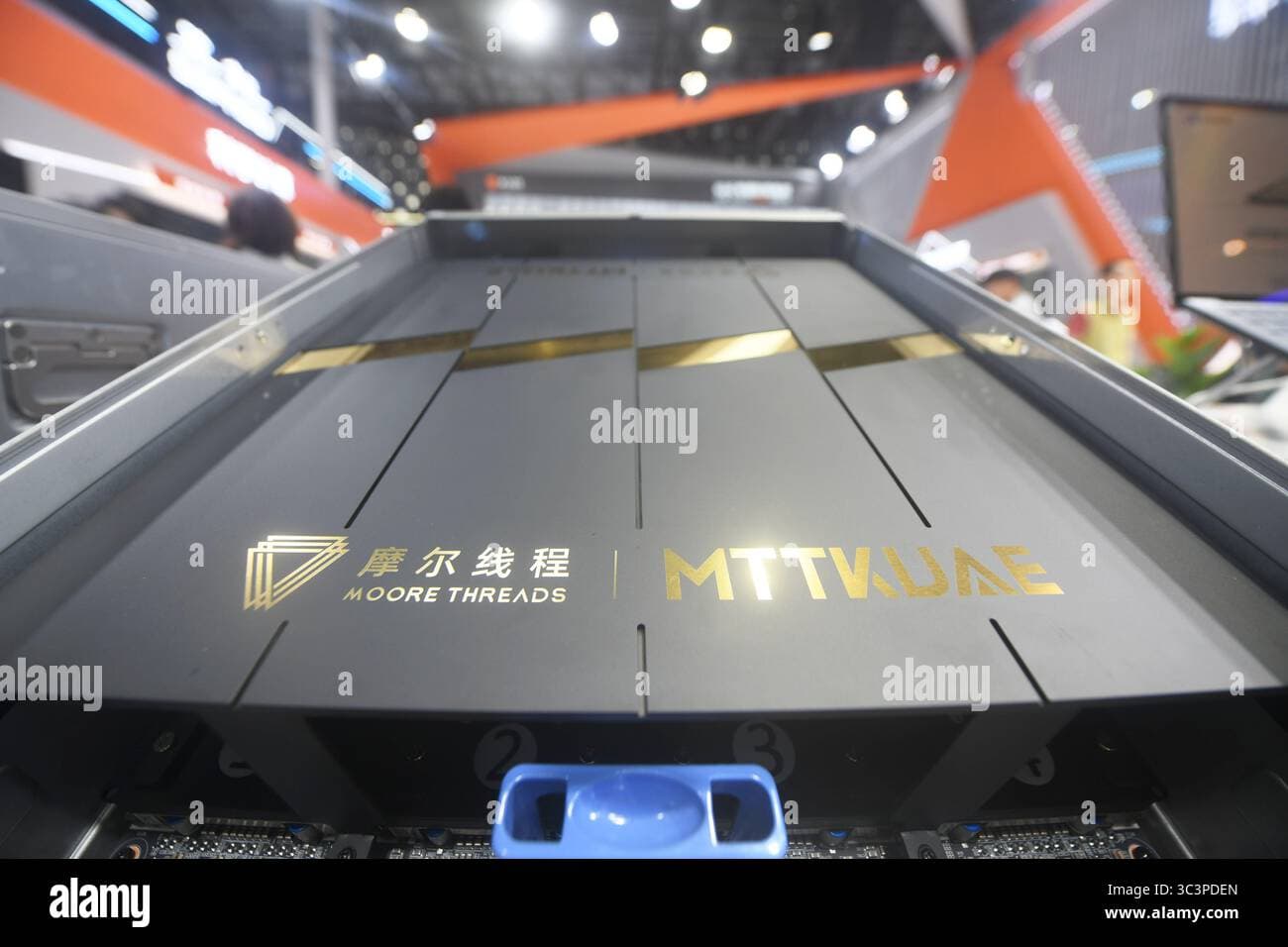
Moore Threads Technology Co. delivered one of the most spectacular market debuts on the Shanghai exchange on Dec. 5, 2025, as its shares opened sharply above the IPO price and closed the first trading session many times higher. The Beijing based designer of graphics processing units for artificial intelligence raised about $1.1 billion in the offering, a haul that underlined how strongly Chinese investors are chasing domestic technology names tied to national strategic priorities.
The rally was driven by a convergence of forces. Beijing has intensified efforts to build a homegrown semiconductor ecosystem, directing state resources and policy support toward companies that can reduce reliance on foreign suppliers. At the same time, U.S. export controls on advanced chips and related manufacturing equipment have left global suppliers constrained and encouraged investors to favor domestic alternatives that promise to capture growth in AI hardware demand.
Market participants cheered the listing as a sign that policy emphasis can translate into capital market momentum. For many retail and institutional investors, Moore Threads represents a visible play on the explosive demand for AI compute that has dominated technology investment worldwide. The share pop also reflects a broader willingness among Chinese investors to accept higher valuations for companies perceived as strategically important.
Analysts warned, however, that the exuberance masks significant challenges. Moore Threads remains unprofitable and will need sustained capital to scale its chip designs, expand production, and develop software ecosystems that can compete with established global incumbents. High end semiconductor manufacturing is capital intensive and dependent on advanced tools, some of which remain subject to export restrictions. Those supply chain constraints complicate the path to parity with the leading foreign firms that dominate AI chip markets.
The listing also raises questions about market risk. Large first day gains can presage volatile trading as speculative flows meet longer term investors seeking durable returns. A sharp re rating of valuation expectations could expose late entrants to losses if the company fails to demonstrate rapid progress on margins and market share.
On the policy front, Moore Threads arrival on the public market may accelerate official efforts to shore up upstream capabilities including fabrication, packaging and testing. State backed funds, preferential procurement policies, and incentives for domestic research and development could all play a larger role if authorities conclude that capital markets alone are insufficient to bridge technology gaps.
Over the longer term, the Moore Threads debut is likely to encourage other Chinese chip developers to seek listings, tapping local capital to fund research and scaling. For investors and policy makers alike the listing crystallizes a trade off: supporting domestic champions can reduce strategic vulnerabilities, but closing the technological divide will require sustained investment, access to complex equipment, and time. The immediate result is clear. Chinese capital markets remain eager to back the next generation of strategic technology firms, even as the hard work of turning design promise into industrial strength continues.