Dollar near five week low as markets price Fed cut, yen strengthens
The U.S. dollar traded near a five week low on December 5, 2025 as markets priced a high probability of a Federal Reserve rate cut at the December meeting, and traders awaited a key PCE inflation reading. The yen firmed on speculation the Bank of Japan could tighten policy later in December, underscoring a rare moment of potential policy convergence that is reshaping global carry trades and investor positioning.

The U.S. dollar slid to near a five week low on December 5 as traders increasingly priced in a Federal Reserve easing at the central bank's December meeting and prepared for a crucial personal consumption expenditures inflation report. Market implied tools and LSEG showed significant odds of a policy move by the Fed, and that probability weighed on the dollar across global foreign exchange markets.
Investors were parsing a mixed set of signals. Recent U.S. labor data suggested resilience in the jobs market, but lingering gaps in the official data calendar after a prolonged government shutdown left economists and traders with incomplete information about the pace of underlying inflation and labor market slack. That uncertainty amplified sensitivity to the PCE reading, the Fed's preferred inflation gauge, which market participants viewed as pivotal for confirming whether easing was warranted.
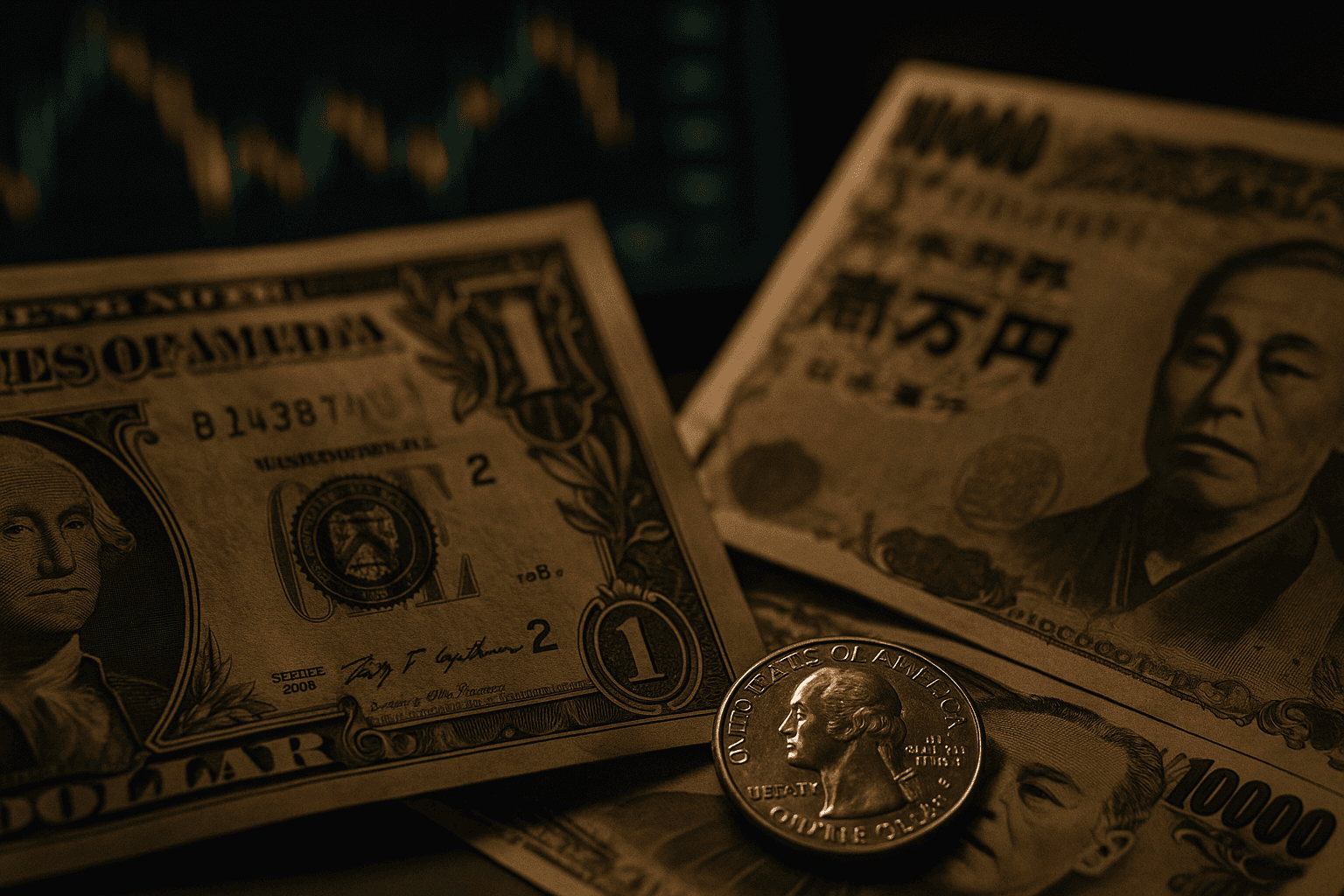
Currency markets reflected a shift in expectations about central bank divergence. The yen strengthened on speculation that the Bank of Japan might raise interest rates later in December, a prospect that would narrow the wide yield differentials that have supported the dollar in recent years. A potential BOJ move combined with a likely Fed cut represents an unusual alignment that could compress global interest rate spreads and reduce demand for dollar funded carry trades.
The repricing of Fed policy has implications beyond exchange rates. Lower expected U.S. interest rates tend to push down Treasury yields and reduce returns on dollar denominated assets, encouraging flows into riskier assets and commodities. Emerging market currencies and equities often benefit from such moves, though the outcome depends on local fundamentals and capital flow dynamics. For financial markets, the immediate question is whether signs of disinflation in the PCE reading will cement the path to easing or revive fears of a policy mistake that could again strengthen the dollar.
Analysts noted that the information vacuum created by missing data heightened the market impact of single released figures. When key datapoints are scarce, traders assign outsized importance to each report and to market implied probabilities, increasing volatility around central bank meetings. That dynamic was evident on December 5 as the dollar reacted to shifting odds rather than to a clear trend in economic fundamentals.
Looking ahead, investors will focus on the PCE inflation print, the December Federal Open Market Committee decision, and next week’s BOJ meeting for clearer guidance on policy direction. A confirmed Fed cut combined with BOJ tightening would mark a significant turn in the global policy cycle, potentially reversing flows that lifted the dollar earlier in the decade. For now markets are pricing that turn, and currencies are adjusting to a narrower margin between the world's two largest central banks.